

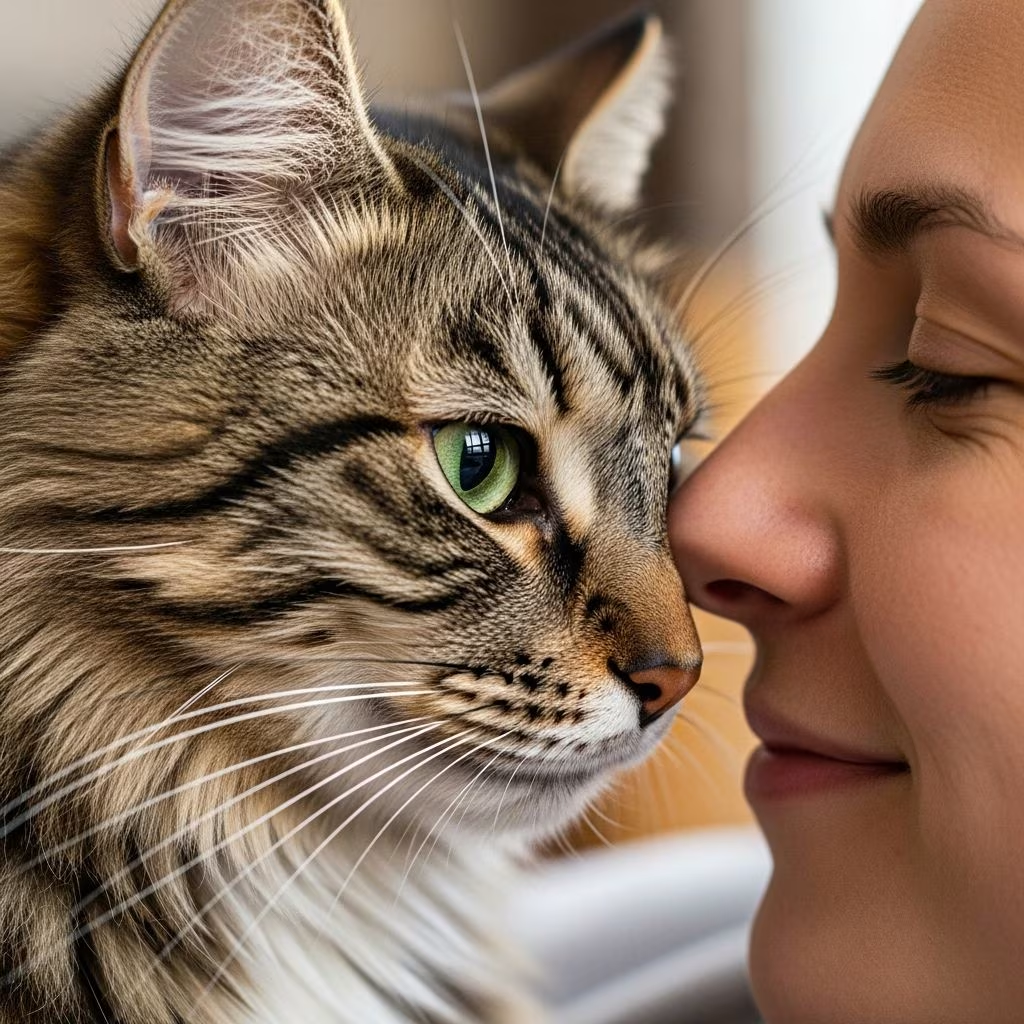
Cats communicate through subtle actions, and one of the most endearing is nuzzling—when they gently press or rub their face against you. This behavior, often accompanied by purring or kneading, reveals much about their emotions and instincts. Far from random, cat nuzzling serves multiple purposes, blending affection with primal needs like territory marking.
The Science Behind Feline Face Rubs
At its core, nuzzling involves cats using specialized scent glands located on their cheeks, forehead, chin, and around the mouth. These glands secrete pheromones—chemical signals that convey identity, mood, and ownership. When a cat nuzzles, it deposits these scents on you, effectively mingling your smells and reinforcing group membership in their world.
This isn’t mere cuddling; it’s a sophisticated communication tool rooted in feline evolution. Wild cats use similar rubbing to maintain social bonds within colonies, ensuring familiarity amid potential threats. Domestic cats extend this to humans, treating trusted owners as family.
Primary Motivations for Nuzzling
Cat nuzzling isn’t one-dimensional. Owners report it during relaxed moments, like lap time, or insistent nudges when ignored. Here’s a breakdown of the top drivers:
- Affection and Bonding: Nuzzling often pairs with slow blinks, soft meows, and kneading, signaling deep trust and love. It’s your cat’s way of saying, “You’re my safe haven.”
- Scent Marking Territory: By rubbing, cats claim you as part of their domain, warding off rivals. This refreshes fading scents from your daily outings.
- Greetings After Absence: Returning home triggers enthusiastic nuzzles, a joyful “welcome back” ritual.
- Attention Seeking: If you’re busy with screens or chores, a nuzzle demands focus—often learned from past successes.
- Comfort During Stress: Changes like moves or new pets prompt nuzzling for reassurance, mimicking kitten-mother interactions.
Observing Nuzzling Contexts
Context clues refine interpretation. A relaxed cat with half-closed eyes and purring nuzzles for pure affection. Tense ears or dilated pupils might indicate stress-driven seeking.
| Context | Likely Meaning | Body Language Cues |
|---|---|---|
| Upon entering home | Greeting/Joy | Tail up, chirps, rubbing legs |
| During lap cuddles | Affection/Bonding | Purring, kneading, slow blinks |
| While you’re distracted | Attention/Need | Persistent nudges, meowing |
| Near food areas | Hunger signal | Rubbing cabinets, vocalizing |
| After household changes | Stress relief | Clinginess, hiding otherwise |
This table highlights how timing and cues differentiate motives, helping owners respond appropriately.
Health and Behavioral Insights
While mostly positive, excessive nuzzling warrants monitoring. Sudden increases could signal illness, pain, or nutritional needs—cats nuzzle to communicate discomfort when words fail.
Veterinarians note scent glands can inflame, causing over-rubbing. Regular check-ups ensure no underlying issues like dental problems or allergies mimic affection bids.
Encouraging Positive Nuzzling
Foster this bond thoughtfully:
- Respond promptly to nuzzles with gentle pets, reinforcing trust.
- Provide enrichment like toys and perches to reduce attention-only demands.
- Use pheromone diffusers mimicking facial scents for stressed cats.
- Avoid punishment; it erodes security driving the behavior.
Owners who engage reciprocally—offering cheeks or hands—report stronger attachments and fewer issues like scratching.
Breed and Age Variations
Not all cats nuzzle identically. Affectionate breeds like Ragdolls or Siamese nuzzle more overtly, while independents like Abyssinians prefer subtle rubs. Kittens nuzzle instinctively for milk, maturing into social signals; seniors may increase it for comfort amid mobility loss.
Comparing Nuzzling to Other Rubs
Nuzzling differs from full-body weaving (leg rubs), which marks lower territories, or tail wrapping, a visual claim. Face-focused nuzzling is intimate, reserved for core family.
Frequently Asked Questions
Is cat nuzzling always a good sign?
Usually yes, indicating trust. But paired with aggression or over-grooming, consult a vet for stress or health flags.
Why does my cat nuzzle then bite?
This ‘love bite’ follows overstimulation. Redirect with toys to prevent escalation.
Can I train my cat to nuzzle less?
Redirect energy to play, but suppressing instinct harms welfare. Address root causes like boredom.
Do male cats nuzzle more than females?
No strong gender link; personality and socialization dominate.
What if my new cat doesn’t nuzzle?
Give time—some take weeks to bond. Use treats and play to build confidence.
Building a Nuzzle-Friendly Home
Create environments amplifying positive nuzzling: elevated beds for security, consistent routines minimizing stress, and interactive sessions fulfilling needs proactively. Track patterns in a journal to spot trends, enhancing mutual understanding.
Ultimately, nuzzling underscores cats’ capacity for profound connection, bridging wild heritage with domestic harmony. Cherish these moments—they’re testaments to your role in their world.
References
- What Is Cat Nuzzling? – Behavior Explanations — Catster. 2023. https://www.catster.com/cat-behavior/what-is-cat-nuzzling/
- What Is Cat Nuzzling? — PetAssure. 2022. https://www.petassure.com/maxscorner/what-is-cat-nuzzling/
- What Does It Mean When a Cat Rubs Against You — Cats.com. 2024. https://cats.com/what-does-it-mean-when-a-cat-rubs-against-you
- Why Do Cats Rub Against You — PetMD. 2025-02-10. https://www.petmd.com/cat/behavior/why-do-cats-rub-against-you
- Why Cats Nuzzle Against You — YouTube (PacaPack). 2023. https://www.youtube.com/shorts/Ow3HAUrPwtE
- Why does my cat rub against me? — Cats Protection (cats.org.uk). 2024. https://www.cats.org.uk/cats-blog/why-does-my-cat-rub-against-me



