

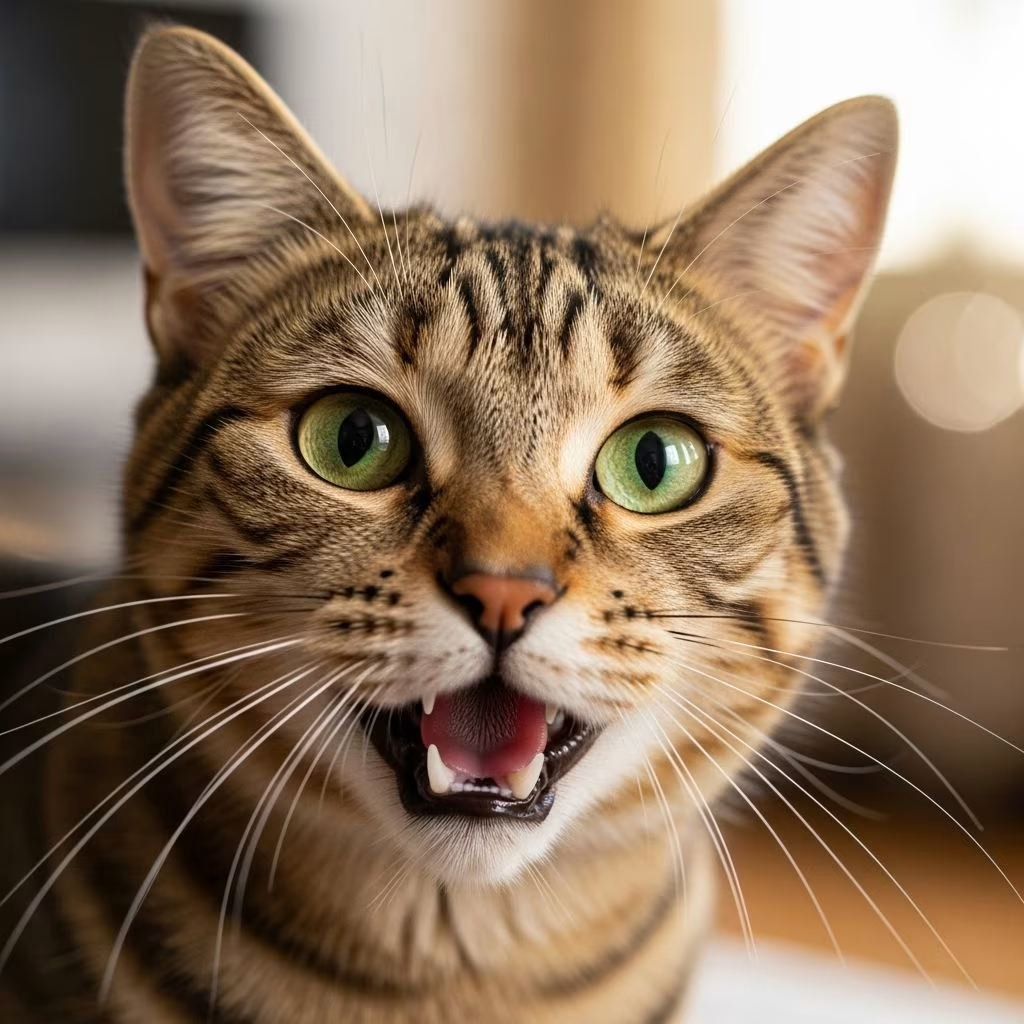
Cats use meowing as a primary way to communicate with humans, conveying needs, emotions, and discomforts through varied tones and frequencies. Understanding these vocal cues can strengthen the bond between pet and owner while helping identify potential issues early.
The Basics of Feline Vocalizations
Domestic cats have adapted meowing primarily for interacting with people rather than other cats, where body language and other sounds dominate. Kittens meow to solicit care from their mothers, a behavior that persists into adulthood when directed at humans. Adult cats in the wild rarely meow to each other, highlighting how this vocalization evolved alongside human companionship.
Meows vary in pitch, duration, and intensity: short meows signal greetings, drawn-out ones express demands, and urgent chirps indicate excitement or frustration. Observing context—such as time of day, location, or accompanying behaviors—provides clues to the message.
Everyday Reasons for Meowing
Many meows stem from routine needs that cats expect owners to fulfill.
- Hunger Signals: Cats often develop precise internal clocks for feeding times, meowing insistently as mealtime approaches. A low, drawn-out ‘mrrrow’ typically means ‘feed me now.’
- Attention and Affection: Social cats meow to initiate play, petting, or lap time, especially if they feel ignored. Breeds like Siamese are notoriously vocal in seeking interaction.
- Greeting Rituals: A soft trill or chirp upon your return welcomes you home, mimicking kitten-mother exchanges.
- Litter Box or Door Requests: Cats may meow at closed doors or near unclean litter boxes to prompt access or cleaning.
To manage these, establish consistent routines: scheduled meals reduce anticipatory meowing, while daily play sessions satisfy attention needs.
When Meowing Signals Health Concerns
Sudden or excessive meowing often points to underlying medical problems, particularly if paired with changes in appetite, mobility, or habits.
| Condition | Symptoms with Meowing | Common in |
|---|---|---|
| Hyperthyroidism | Increased vocalization at night, weight loss, hyperactivity | Senior cats |
| Kidney Disease | Excessive thirst, lethargy, altered meow tone | Older cats |
| Urinary Tract Issues | Crying in litter box, straining | Males, all ages |
| Hypertension | Restlessness, insistent meowing | Seniors |
| Dental Pain | Hissing meows, drooling, reduced eating | All ages |
Hyperthyroidism, for instance, overstimulates metabolism, leading to anxious, vocal behavior especially nocturnally. Kidney issues cause discomfort that manifests as plaintive cries. Veterinary bloodwork and exams are essential for diagnosis; early intervention like medication or dietary changes can restore quiet.
Stress and Environmental Triggers
Cats crave stability, and disruptions provoke meowing as a distress signal.
- Household Changes: New pets, babies, moves, or rearranged furniture unsettle territories, prompting anxious yowls.
- Boredom in Indoor Life: Understimulated cats meow for engagement; lack of toys or vertical spaces amplifies this.
- Multi-Pet Conflicts: Territorial disputes lead to defensive meowing; slow introductions mitigate this.
- Cleanliness Issues: A soiled litter box elicits complaints immediately.
Counter stress with pheromone diffusers, hiding spots, and puzzle feeders. Enrich environments using window perches and wand toys to channel natural instincts.
Aging Cats and Cognitive Changes
Senior cats (over 10 years) may meow more due to age-related decline.
- Cognitive Dysfunction: Akin to human dementia, it causes disorientation, night-time wandering, and confused vocalizations.
- Sensory Loss: Deafness or blindness leads to louder calls as cats compensate for reduced awareness.
- Arthritis Pain: Mobility limits prompt cries during movement.
Supplements, consistent lighting, and vet-prescribed diets support cognitive health. Night lights reduce confusion in visually impaired cats.
Breed and Personality Influences
Not all cats are equally chatty. Vocal breeds like Oriental Shorthairs, Bengals, and Maine Coons meow frequently due to genetics, while Persians are quieter. Individual temperament plays a role: outgoing cats vocalize more than independents.
Spayed/neutered cats may meow less post-procedure if heat cycles drove prior noise, but attention-seeking persists.
Strategies to Reduce Excessive Meowing
Address root causes systematically:
- Rule Out Health Issues: Schedule a vet visit for any persistent or sudden changes.
- Optimize Routine: Feed on schedule, clean litter daily, provide playtime.
- Ignore Demand Meows: Don’t reinforce by responding immediately; wait for quiet.
- Enrich Daily Life: Rotate toys, add scratching posts, ensure safe outdoor views.
- Monitor for Patterns: Log meowing times and triggers to identify issues.
For night meowing, daytime exertion tires cats out, promoting sleep.
FAQs on Cat Meowing
Why does my cat meow at night?
Night meowing often ties to hunger, hyperthyroidism, cognitive issues, or natural crepuscular activity. Increase evening play and check health.
Is excessive meowing always a problem?
No, if consistent with personality and no other symptoms. Sudden increases warrant vet attention.
How can I stop attention-seeking meows?
Provide scheduled interaction and ignore demands to avoid reinforcement.
What if my cat’s meow sounds different?
Changes suggest laryngitis, pain, or neurological issues; seek vet care promptly.
Do all cats meow the same way?
No, breeds and individuals vary; learn your cat’s unique ‘language.’
Building a Quieter, Happier Home
Interpreting meows enhances cat welfare and reduces frustration. Regular vet check-ups, environmental tweaks, and attentive listening transform vocal pleas into harmonious companionship. Proactive care ensures your feline’s communications lead to fulfillment rather than concern.
References
- What’s Your Cat Trying to Tell You? Causes of Constant Meowing — Carolina Virginia Animal Hospital. 2023. https://carolinavirginiavet.com/whats-your-cat-trying-to-tell-you-causes-of-constant-meowing/
- Decoding Feline Chatter: The 5 Common Reasons Behind Your Cat’s Meowing — The Animal Doctors. 2024. https://www.theanimaldoctors.org/decoding-feline-chatter-the-5-common-reasons-behind-your-cats-meowing/
- Why Is My Cat Meowing So Much? Exploring Excessive Vocalization in Cats — Bayview Pets. 2023. https://bayviewpets.com/why-is-my-cat-meowing-so-much-exploring-excessive-vocalization-in-cats/
- Why is My Cat Meowing so Much? — West Loop Vet. 2024. https://westloopvet.com/blog/why-is-my-cat-meowing-so-much/
- Why Is My Cat Meowing So Much? Exploring Excessive Vocalization in Cats — Cane Bay Vet Clinic. 2023. https://canebayvetclinic.com/why-is-my-cat-meowing-so-much-exploring-excessive-vocalization-in-cats/
- Why Is My Cat Meowing So Much? — PetMD. 2025-02-10. https://www.petmd.com/cat/behavior/cat-meowing
- Why Is My Cat Meowing? — Best Friends Veterinary Hospital. 2024. https://bestfriendsvet.org/blog/why-is-my-cat-meowing/



