

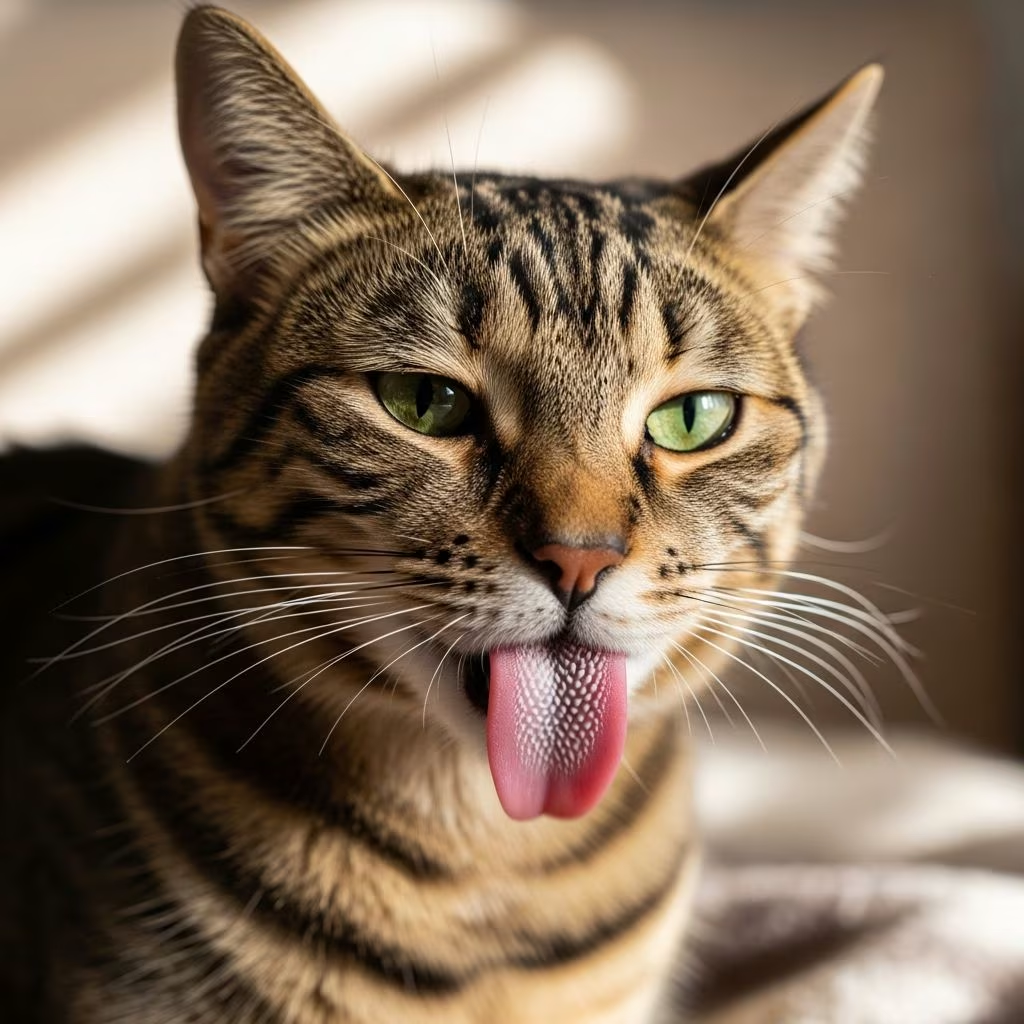
Cats communicate in subtle ways, and one of the most intimate is licking their owners. This behavior, often perceived as a simple kiss, carries layers of meaning rooted in instinct, emotion, and social dynamics. Understanding why your cat licks you can deepen your relationship and help address any underlying issues.
The Instinctual Roots of Feline Licking
Licking originates from a cat’s earliest experiences. Mother cats groom their kittens not just for cleanliness but to stimulate circulation, remove debris, and foster emotional security. This allogrooming—mutual grooming among cats—extends to humans as cats integrate owners into their social circle.
In the wild, felines use licking to reinforce group bonds and maintain hygiene within prides or colonies. Domestic cats retain these traits, viewing family members as pack extensions. When your cat’s rough tongue meets your skin, it’s often an echo of these primal rituals adapted to home life.
Primary Motivations Behind the Lick
Cat licks serve diverse purposes. Here’s a breakdown of the most common drivers:
- Affection and Bonding: The predominant reason is love. Cats lick to express trust and closeness, mimicking how they groom trusted companions. This act releases endorphins, creating a calming effect for both cat and owner.
- Territorial Claiming: By depositing scent from glands in their mouth, cats mark you as theirs. This prevents other pets from encroaching and solidifies your place in their domain, especially in multi-cat homes.
- Attention Solicitation: If licking prompts petting or play, cats learn it yields rewards. Even mild scolding counts as interaction, reinforcing the habit.
- Taste Appeal: Salty sweat, lotions, or skin residues intrigue cats. However, flavored products can pose toxicity risks, so vigilance is key.
| Reason | Context Clues | Typical Response |
|---|---|---|
| Affection | During cuddles or relaxed moments | Reciprocate with gentle pets |
| Territory | Around other animals | Allow if non-aggressive |
| Attention | When you’re busy or distracted | Ignore to discourage |
| Taste | After applying products | Wipe skin, prevent access |
When Licking Signals Emotional Distress
Not all licks are purely positive. Excessive or sudden licking may indicate anxiety. Cats perform displacement licking to self-soothe during stress from changes like moves, new pets, or loud environments.
Cornell University’s Feline Health Center notes that such behaviors calm nerves but can habituate if stressors persist. Veterinary experts recommend gradual introductions, enriched environments with vertical spaces, and daily play sessions to mitigate this. In severe cases, consult a vet for anti-anxiety options.
Younger cats might lick reminiscent of kittenhood nursing, kneading while purring for comfort if weaned prematurely. Monitor patterns: isolated incidents are normal, but constant licking warrants a health check to rule out pain or allergies causing itchiness.
Health Considerations and Excessive Grooming
While owner-directed licking is usually benign, overgrooming—targeted or widespread—signals medical issues. Pain from conditions like anal sac problems or allergies prompts focused licking, per Cornell vets. Psychological factors, including routine disruptions, exacerbate this.
PetMD highlights that untreated anxiety can escalate to compulsions, dominating a cat’s routine. VCA Hospitals advises observing for triggers like visitors or noises. A vet exam ensures no physical causes before behavioral interventions.
Responding to Your Cat’s Licks Effectively
Encourage positive licks while curbing excesses. For affection, respond with calm strokes to affirm the bond. To reduce attention-seeking, withhold reactions until licking stops, redirecting to toys.
Provide alternatives: scratching posts, puzzle feeders, and perches reduce stress-induced licking. Consistent routines build security. If multi-cat tensions arise, separate feeding areas and supervised interactions help.
Avoid punishment; it heightens anxiety. Instead, positive reinforcement shapes desired behaviors. Track licking frequency in a journal to spot patterns and progress.
Age and Breed Influences on Licking Habits
Kittens lick frequently for comfort, often outgrowing it, though some retain it lifelong. Breeds like Siamese or Bengals, known for sociality, may lick more due to higher affection needs.
Senior cats might increase licking from cognitive decline or discomfort, blending affection with displacement. Tailor responses to life stage for optimal care.
FAQs: Common Questions on Cat Licking
Is it safe for my cat to lick me?
Generally yes, but prevent access post-lotion application due to toxins. Human skin bacteria rarely harm cats, but excessive saliva ingestion by you risks irritation.
Why does my cat lick me then bite?
This ‘love bite’ follows grooming sessions, signaling ‘enough.’ Redirect gently to avoid escalation.
How to stop unwanted licking?
Ignore, distract with toys, or use citrus scents cats dislike. Consistency is crucial.
Does licking mean my cat is happy?
Often, yes—context matters. Paired with purring and rubbing, it’s contentment.
Should I lick my cat back?
No; it confuses boundaries. Petting suffices for reciprocity.
Enhancing Your Bond Through Understanding
Viewing licks as communication opens doors to better harmony. By addressing roots—be it love, stress, or habit—you nurture a thriving relationship. Observe your cat’s unique cues, consult professionals when needed, and cherish these quirky expressions of feline devotion.
References
- What It Means When a Cat Licks You — Broomfield Veterinary Hospital. Accessed 2026. https://broomfieldvet.com/blog/when-a-cat-licks-you/
- Cats that Lick Too Much — Cornell University College of Veterinary Medicine. Accessed 2026. https://www.vet.cornell.edu/departments-centers-and-institutes/cornell-feline-health-center/health-information/feline-health-topics/cats-lick-too-much
- Why Does My Cat Lick Me? 7 Common Reasons — PetMD. Accessed 2026. https://www.petmd.com/cat/behavior/why-does-my-cat-lick-me
- Why Does My Cat Lick Me So Much? | Cat Behavior Explained — Blue Buffalo. Accessed 2026. https://www.bluebuffalo.com/articles/cat/why-does-my-cat-lick-me/
- Why do cats lick humans? — VCA Animal Hospitals. Accessed 2026. https://vcahospitals.com/resources/behavior-cat/why-do-cats-lick-humans



