

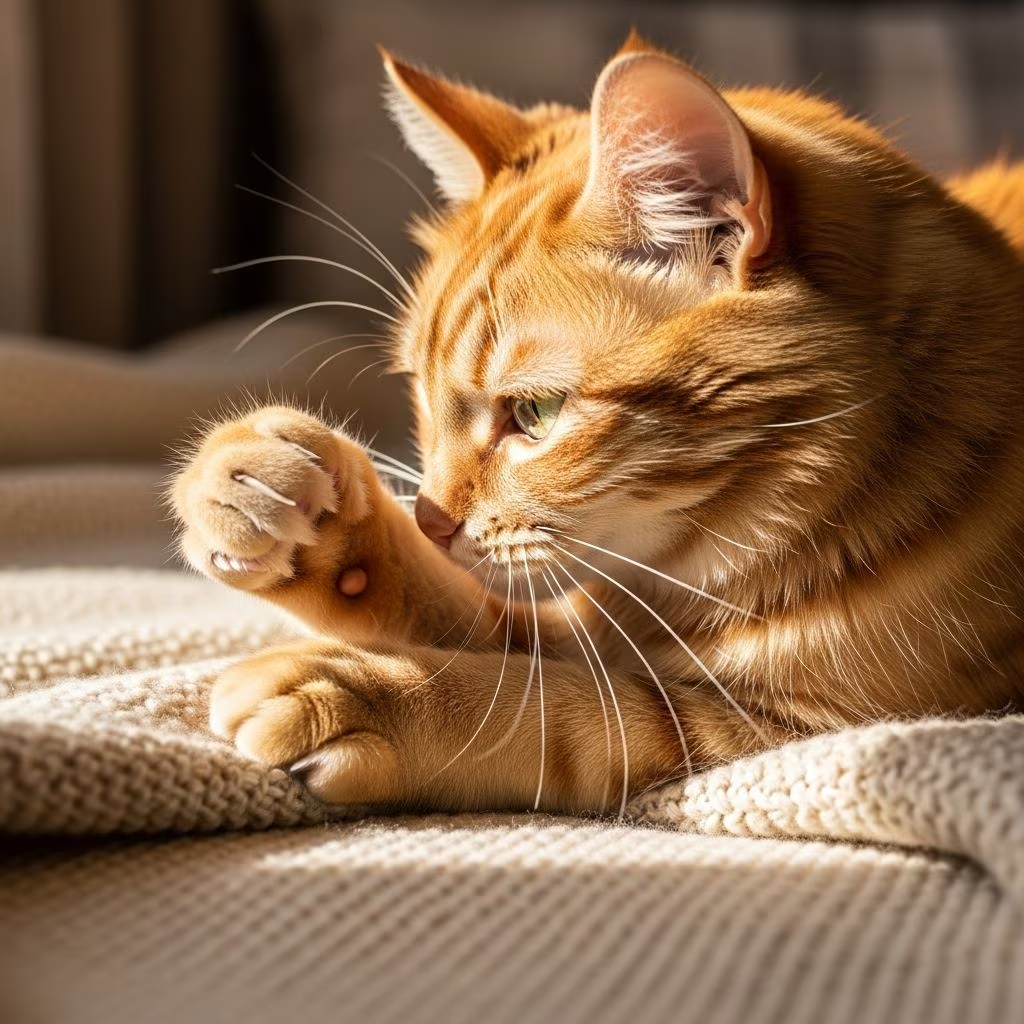
Cats knead by rhythmically pushing their paws into soft surfaces like blankets or laps, a behavior rooted in their earliest days as kittens and persisting into adulthood for comfort, communication, and more.
The Origins in Kittenhood Nursing
From their first weeks of life, kittens knead their mother’s abdomen to stimulate milk flow during nursing. This action triggers oxytocin release in the mother cat, enhancing milk production and fostering a deep bond. The repetitive motion associates with warmth, nourishment, and safety, imprinting a lifelong comfort response.
As they grow, this instinct doesn’t fade. Adult cats recreate that soothing sensation on plush items, often pairing it with purring or half-closed eyes, signaling pure contentment. Observational studies note that even feral cats exhibit similar patterns, underscoring its deep evolutionary ties.
Neurological Rewards and Stress Relief
Kneading activates dopamine release in the cat’s brain, the neurotransmitter tied to pleasure and reward, encouraging repetition for ongoing bliss. Paired with oxytocin—the bonding hormone—it promotes relaxation and emotional security, much like human hugging.
Dr. Jennifer Sperry, Medical Director for Figo Pet Insurance, notes that while direct neurochemical mapping in cats remains theoretical, parallels from mammalian studies support these pathways. This makes kneading a natural stress-buster, especially in cozy home environments where cats feel safest.
Territory Marking Through Scent Glands
Hidden between a cat’s toes are scent glands that secrete pheromones during kneading, subtly claiming surfaces as their own. These chemical signals convey identity, health, and bonding cues, akin to a feline signature.
This behavior extends to wild ancestors who kneaded foliage to prepare nests and mark safe spots. Domestic cats apply it to blankets or furniture, reinforcing their domain without confrontation.
Physical Benefits: Stretching and Comfort Prep
Beyond emotions, kneading serves biomechanics. Cats alternate paws, flexing shoulders, chest, and forelegs to maintain flexibility and ease tension. It mimics pre-nap rituals observed in wild felines tamping down grass for bedding.
Soft textures provide ideal resistance, with claws extending and retracting rhythmically. This not only preps muscles for rest but may alleviate minor discomforts like arthritis stiffness, though veterinary checks are advised for excess.
When Does Kneading Signal Deeper Issues?
Normal kneading is rhythmic and relaxed, but intensified patterns might indicate stress, pain, or compulsion. Dopamine surges can loop into overdoing it, hinting at behavioral disorders. Injury or joint issues may prompt more frequent sessions for relief.
| Normal Kneading Signs | Potential Concern Signs |
|---|---|
| Purring, drooling, zoned-out look | Frantic pace, vocalizing, aggression |
| On soft surfaces only | On hard floors or obsessively |
| Brief sessions before sleep | Prolonged, disrupting daily life |
Consult a vet if changes occur, ruling out medical causes first.
Neoteny: Why Adult Cats Retain Kitten Traits
Neoteny explains persistence: cats keep juvenile behaviors into maturity, aiding socialization with humans and other pets. Kneading on laps communicates affection, blending instinct with learned trust.
Practical Tips for Cat Owners
- Provide dedicated blankets or cat beds to redirect claws from furniture.
- Trim nails regularly to minimize scratches during lap sessions.
- Use pheromone diffusers mimicking appeasing scents for anxious kneaders.
- Observe context: increased kneading post-adoption signals settling in.
- Avoid punishment; it’s innate—focus on redirection.
Variations Across Cats and Breeds
Not all cats knead equally. Some vigorously ‘make biscuits,’ others lightly pat. Breeds like Ragdolls or Siamese often show pronounced displays due to sociable natures, but it’s universal among domestics.
Females may knead more around litters, males for territory. Age matters: seniors knead less if mobility limits, but the urge remains.
FAQs: Common Kneading Questions
Is cat kneading a sign of happiness?
Yes, it typically indicates comfort and joy, linked to dopamine and security.
Why do cats knead people painfully?
Claws extend instinctively; offer a blanket barrier or trimmed nails for comfort.
Can I stop my cat from kneading?
It’s natural—discourage by providing alternatives, not force, to avoid stress.
Does kneading mean my cat sees me as its mother?
It evokes nursing memories but also shows adult affection and trust.
What if my cat kneads excessively?
Monitor for pain or anxiety; vet evaluation ensures no underlying issues.
Evolutionary Echoes in Modern Homes
Kneading bridges wild survival—nesting, milk stimulation, communication—with domestic bliss. It reveals cats’ emotional depth, rewarding owners with glimpses into their psyche.
Embracing it strengthens bonds. Next time your cat rhythmically presses, recognize it as a vote of confidence in your shared safe haven.
References
- Why Cats Knead | Figo Pet Insurance — Figo Pet Insurance. 2023. https://figopetinsurance.com/blog/why-cats-knead-science-behind-behavior
- The Science of Affection That Makes Cats Knead You — ScienceAlert. 2023. https://www.sciencealert.com/the-science-of-affection-that-makes-cats-knead-you
- Why Do Cats Knead? — PetMD. 2024-01-15. https://www.petmd.com/cat/behavior/why-do-cats-knead
- Kneading (cats) — Wikipedia. 2024. https://en.wikipedia.org/wiki/Kneading_(cats)
- All about cat kneading — ElleVet Sciences. 2023. https://www.ellevetsciences.com/cbd-for-cats/all-about-cat-kneading/



