

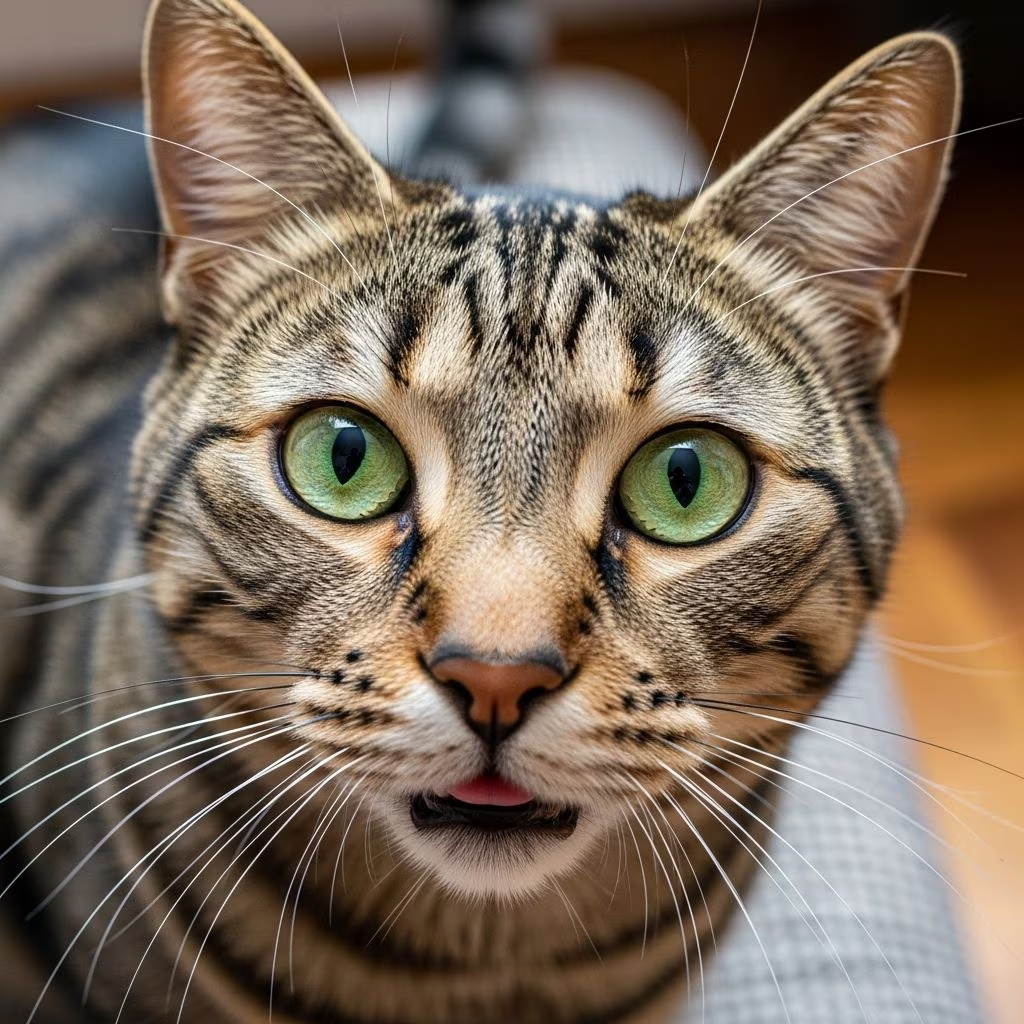
Understanding whether your cat is genuinely hungry requires observing a combination of behaviors, eating patterns, and overall health indicators. Cats communicate needs through subtle cues, and misinterpreting them can lead to overfeeding or overlooked medical issues.
Recognizing Genuine Hunger Cues
True hunger in cats manifests through consistent, instinct-driven actions rather than random demands. A hungry cat typically approaches food eagerly upon presentation, consumes it steadily without distraction, and maintains a predictable routine around mealtimes.
- Persistent vocalization: An insistent meow near the food area, distinct from casual chirps, signals anticipation of a meal.
- Physical proximity to bowl: Pawing at or circling the empty dish demonstrates focused interest.
- Rapid consumption: Devouring food quickly upon serving indicates nutritional need.
- Timing awareness: Gathering in the kitchen at usual feeding hours shows internal clock alignment.
These signals align with natural feline grazing habits, where small, frequent meals suit their digestive systems better than large portions.
Body Language Insights Around Mealtime
Non-verbal communication provides key clues. Watch for tail positioning, ear orientation, and posture to gauge hunger levels accurately.
| Behavior | Indicates Hunger | Possible Alternative Meaning |
|---|---|---|
| Rubbing legs | High excitement for food | Affection or attention-seeking |
| Sitting by bowl | Waiting for meal | Boredom or habit |
| Pawing at bowl | Urgent need | Playfulness if food present |
| Looking around while eating | Not applicable (anxiety) | Environmental stress |
Context matters; a cat rubbing against you in the kitchen at feeding time likely combines hunger with routine expectation.
Distinguishing Hunger from Habitual Begging
Not all meowing equals starvation. Cats learn schedules quickly and may vocalize preemptively. Test by offering food: a truly hungry cat eats immediately, while a habitual beggar sniffs or plays first.
- Consistent begging outside mealtimes suggests behavioral patterns rather than need.
- Interest in human food without finishing own portion points to preference over hunger.
- Grazing cats may nibble throughout the day, appearing ‘always hungry’ without issue.
Health Conditions Mimicking Hunger
Excessive appetite often stems from medical issues disrupting nutrient absorption or metabolism. Early detection prevents complications.
Parasitic Infections
Worms steal nutrients, causing weight loss despite increased eating. Look for bloated belly, diarrhea, or visible segments in stool. Common in hunters or flea-exposed cats.
Endocrine Disorders
Hyperthyroidism accelerates metabolism, leading to ravenous hunger, weight loss, thirst, and hyperactivity. Prevalent in seniors over 10 years.
Diabetes impairs glucose processing, prompting constant foraging alongside urination increase and lethargy. Blood/urine tests confirm diagnosis.
Age-Related Changes
Older cats digest proteins less efficiently, needing more volume or adjusted diets with digestible carbs. Monitor for gradual appetite upticks post-12 years.
Behavioral Triggers for Apparent Hunger
Environmental factors can amplify food focus without true deprivation. Boredom prompts scavenging; stress from changes like new pets increases demands.
- Boredom: Lack of play leads to food fixation. Puzzle feeders redirect energy.
- Stress: Routine disruptions cause comfort eating. Enrichment stabilizes mood.
- Multi-cat dynamics: Competition results in rapid eating or bowl stealing.
Optimal Feeding Strategies
Balance nutrition to curb false hunger. Consult vets for life-stage appropriate kibble or wet food matching caloric needs.
- Divide daily intake into 3-4 small meals to mimic grazing.
- Use measured portions to prevent obesity.
- Incorporate wet food for hydration; cats often drink more post-meal.
- Introduce toys and scheduled play to tire out hunters.
- Avoid table scraps to prevent picky habits.
Puzzle feeders extend meals, reducing gulping and begging by engaging instincts.
Monitoring Hydration Alongside Appetite
Hunger cues pair with water intake. Healthy cats sip regularly, especially after eating or activity. Excessive thirst flags issues like diabetes.
- Promote fountains for appeal.
- Observe litter for volume changes.
When to Consult a Veterinarian
Sudden appetite shifts warrant professional evaluation. Accompanying symptoms like weight fluctuation, vomiting, or lethargy demand prompt checks.
Rule out parasites via fecal exam, bloodwork for thyroid/diabetes. Early intervention maintains quality of life.
FAQs
Why does my cat meow constantly for food?
Habitual routine or underlying issues like parasites/hyperthyroidism. Observe if they eat eagerly when offered.
Is it okay if my cat begs between meals?
Occasional yes, but persistent begging needs diet/activity review to exclude health problems.
How much should I feed my cat daily?
Vet-recommended based on age/weight/activity; typically 200-300 calories split into portions.
Can stress make a cat seem hungrier?
Yes, emotional distress prompts comfort seeking; enrich environment to alleviate.
What if my cat ignores food but acts hungry?
Possible dental pain or nausea; vet exam essential.
References
- Healthy Signs and Red Flags in Cat Appetite – Purina — Purina Australia. 2023. https://www.purina.com.au/cat-appetite.html
- Why Is My Cat Always Hungry? Causes & Symptoms – Webbox — Webbox. 2024. https://www.webbox.co.uk/blog/why-is-my-cat-always-hungry
- 10 Signs that Your Cat is Addicted to Food and 5 Recommendations — Four Paws. 2023. https://fourpaws.org/10-signs-that-your-cat-is-addicted-to-food-and-5-recommendations-to-break-the-cycle/
- Why Does My Cat Want To Eat All the Time? – Cats.com — Cats.com. 2024. https://cats.com/why-does-my-cat-want-to-eat-all-the-time
- Why Is My Cat Always Hungry? – Osborne’s Farm — Osbornes Farm & Garden Center. 2023. https://osbornesfarm.com/blogs/news/why-is-my-cat-always-hungry
- Deciphering Cat Body Language Around Food — Wellness Pet Food. 2024. https://www.wellnesspetfood.com/blog/deciphering-cat-body-language-around-food/
- How to tell if your cat is eating enough – Reveal Pet Food — Reveal Pet Food. 2023. https://revealpetfood.com/how-to-tell-if-your-cat-is-eating-enough/



