

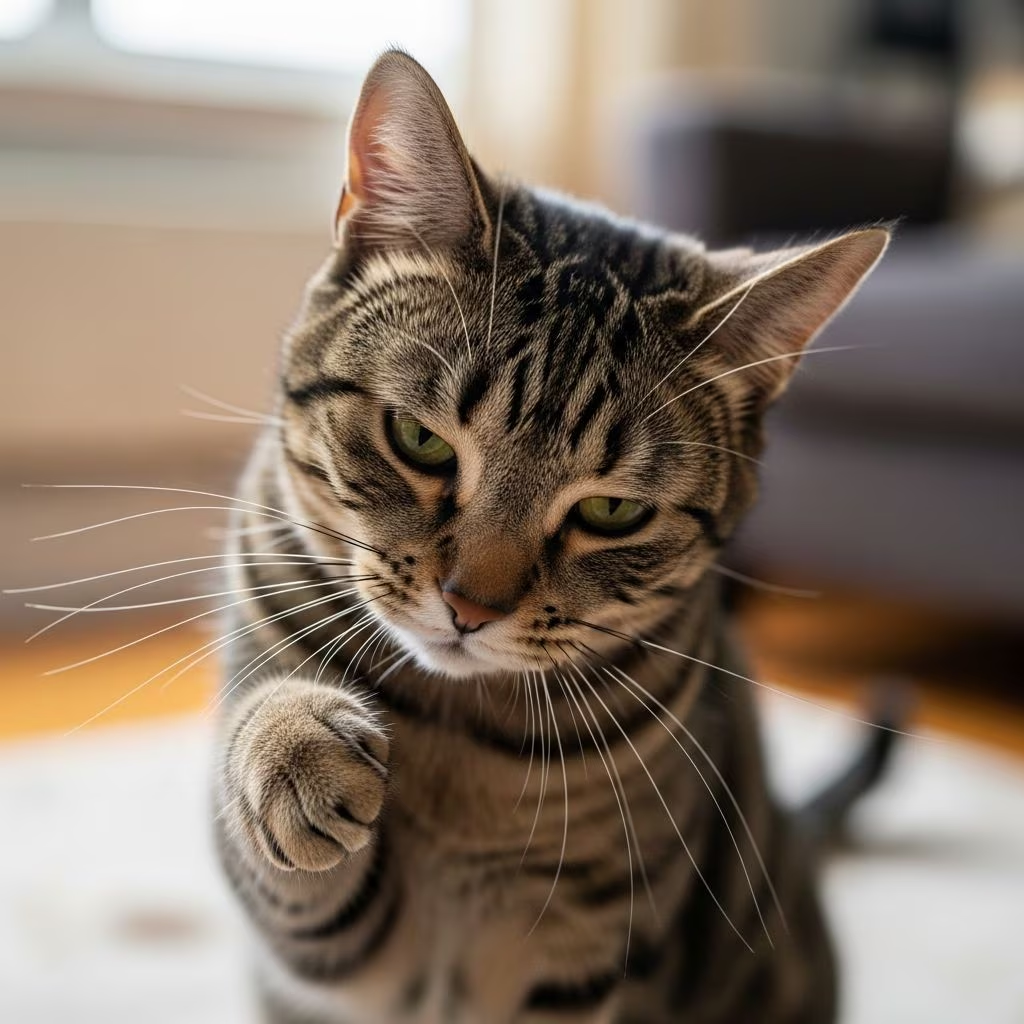
Cats communicate hellos through a rich array of body postures, facial expressions, vocalizations, and scent markings, each carrying specific meanings that reveal their mood and intentions. Understanding these signals helps owners foster trust and affection while preventing conflicts.
The Role of Tail Movements in Feline Welcomes
A cat’s tail serves as a primary indicator during greetings, conveying confidence, excitement, or caution depending on its position and motion. An erect tail held vertically often signals a friendly approach, inviting interaction such as rubbing or petting. This upright posture, sometimes with a slight curve at the tip, demonstrates comfort and openness in familiar environments.
When the tail quivers while held high, it typically expresses heightened excitement, akin to a joyful vibration upon seeing a beloved owner. In contrast, rapid flicking of the tail, especially in a seated cat, suggests irritation or overstimulation, advising pet owners to pause interactions. Context matters: a quivering tail during greetings usually means positive anticipation, while persistent wagging might indicate indecision or mild annoyance.
- Erect tail: Confidence and invitation to interact.
- Quivering tail: Excitement and happiness.
- Flicking tail: Irritation; back off gently.
Facial Expressions: Eyes, Ears, and Whiskers
Facial cues provide subtle yet powerful insights into a cat’s greeting mindset. Slow blinking, where eyelids close gradually, signifies deep trust and relaxation, essentially a cat’s way of saying ‘I feel safe with you’. Reciprocating this slow blink builds mutual affection, as it mirrors their sense of security.
Ears positioned forward indicate curiosity and receptivity, while flattened ears signal fear or aggression, urging space. Whiskers fanned outward show interest and confidence, whereas whiskers pulled back against the face denote anxiety or a desire to appear smaller. Dilated pupils may reflect alertness or fear, though in low light, they simply aid vision.
| Cue | Meaning | Response |
|---|---|---|
| Slow blink | Trust and affection | Blink back slowly |
| Forward ears | Interested and relaxed | Approach calmly |
| Flat ears | Fearful or angry | Give space |
| Forward whiskers | Curious | Engage gently |
Body Postures That Signal Approachability
Overall body orientation reveals a cat’s willingness to engage. A cat leaning forward or stretching out exposes vulnerable areas, indicating comfort and interest in bonding. Conversely, crouching low or freezing in place suggests wariness or predatory intent, best met with patience.
Rolling onto the back displays the belly as a trust gesture, though not always an invitation for rubs, as it exposes a sensitive area. Arched backs without raised fur might mean stretching or acceptance, but piloerection (fur standing up) with an arch warns of threat. Relaxed limbs extended outward further confirm contentment.
Vocalizations: The Sounds of Cat Hellos
Cats vocalize distinctly during greetings, using meows, chirps, and trills primarily with humans rather than other cats. Chirps or trills often serve as cheerful welcomes, expressing delight at your return. Meows vary: short, soft ones invite interaction, while prolonged or loud versions might signal stress.
Growls and hisses, however, escalate warnings—growling demands distance, and hissing reveals defensive readiness with bared fangs. Purring during approaches usually denotes happiness, though it can occasionally mask pain or stress, so pair it with body cues.
- Chirp/trill: Friendly greeting.
- Soft meow: Request for attention.
- Growl/hiss: Back off immediately.
- Purr: Contentment (check posture).
Scent Marking and Physical Contact
Cats reinforce greetings through scent exchange, vital for recognition and bonding. Headbutting or cheek rubbing deposits pheromones from facial glands, claiming you as family and safe. This ‘bunting’ behavior marks territory positively, strengthening social ties.
Kneading with paws, or ‘making biscuits,’ accompanies relaxed greetings, reminiscing kittenhood nursing and signaling pure joy. Tail wrapping around your leg mimics this affection, a gentle hold of belonging.
Common Greeting Scenarios and Responses
Upon entering home, an eager door greeting with erect tail and rubs shows favoritism and loyalty. If your cat follows you room-to-room or checks in frequently, it underscores attachment.
For multi-cat homes, watch inter-cat greetings: parallel walking with tails up fosters harmony, while swatting indicates tension. Always observe clusters of signals— a high tail with slow blink trumps a single flick.
Building Stronger Bonds Through Reciprocal Signals
Respond to greetings thoughtfully: offer a finger for sniffing at their pace, avoid direct stares, and use slow blinks. Provide elevated perches and toys post-greeting to sustain positivity. Consistency in routines enhances predictable, joyful encounters.
Recognizing overstimulation—tail flicks, ear twitches—prevents bites; stop petting at shoulders if cues arise. Enrich environments with scratching posts to channel energies healthily.
Frequently Asked Questions
Why does my cat greet me with a high tail?
This vertical tail position expresses confidence and a desire to interact, often seen in secure, affectionate cats welcoming their favorite human.
What if my cat flicks its tail during pets?
Tail flicking signals rising irritation or overstimulation; pause petting to respect their boundaries and avoid scratches.
Is slow blinking really a cat kiss?
Yes, slow blinks convey trust and love; returning the gesture communicates safety and affection back, deepening your connection.
Why does my cat trill at me?
Trills are upbeat greetings, typically used by content cats to acknowledge humans warmly and invite engagement.
Should I rub my cat’s belly if they roll over?
Belly exposure shows trust, but many cats dislike rubs there; opt for chin scratches unless they explicitly solicit it.
Advanced Tips for Interpreting Mixed Signals
Cats rarely use isolated cues; integrate tail, ears, eyes, and posture for accuracy. A high tail with flattened ears might mean defensive confidence. Track patterns over time—your cat’s unique personality refines readings.
For kittens or seniors, greetings may soften: more vocal, less mobile. Health issues like pain alter signals—sudden growls warrant vet checks.
Incorporate play into greetings: wand toys channel excitement post-welcome, preventing boredom bites. Vertical spaces like cat trees reward positive interactions.
References
- The Definitive Guide to Cat Behavior and Body Language — Tuft & Paw. 2023. https://www.tuftandpaw.com/blogs/cat-guides/the-definitive-guide-to-cat-behavior-and-body-language
- Feline Body Language — NYC Animal Care Centers (NYCACC). 2023-10. https://www.nycacc.org/wp-content/uploads/2023/10/Feline-Body-Language.pdf
- Translating Feline Body Language — PAWS Chicago. N/A. https://www.pawschicago.org/news-resources/all-about-cats/understanding-cat-behavior/translating-feline-body-language/showpage
- 8 Signs You’re Your Cat’s Favorite, According to Vets — Parade Pets. N/A. https://paradepets.com/cats/signs-youre-your-cats-favorite
- Cat Body Language 101 — YouTube (International Cat Care). N/A. https://www.youtube.com/watch?v=WzuhuaeS0aQ
- Cat Body Language — Cats Protection. N/A. https://www.cats.org.uk/help-and-advice/cat-behaviour/cat-body-language
- Understanding Your Cat’s Body Language for Better Bonding — Pure Paws Vet. N/A. https://www.purepawsvet.com/understanding-your-cats-body-language-for-better-bonding/



