

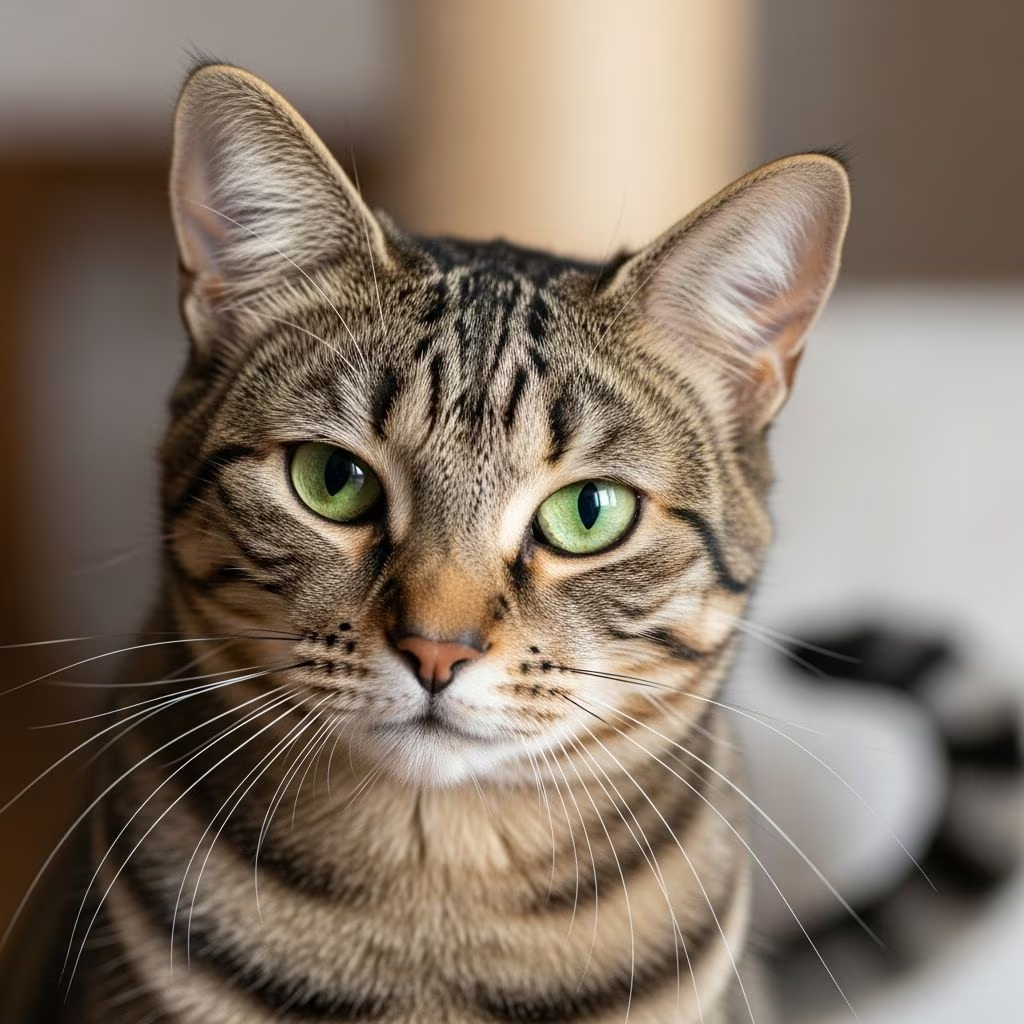
Decoding Cat Body Language: Understanding Your Feline Friend’s Communication
Cats are complex creatures with their own unique way of communicating with us and their environment. While many people assume cats only meow to express themselves, the truth is far more nuanced. Cats use a sophisticated combination of body language, vocalizations, and behavioral cues to convey their emotions, needs, and intentions. Understanding these signals is crucial for building a stronger bond with your feline companion and ensuring their well-being. By learning to read your cat’s body language, you’ll be better equipped to respond to their needs and create a more harmonious household.
The Basics of Feline Communication
Cats communicate through multiple channels simultaneously. Their entire body—from the tip of their tail to the angle of their ears—works together to send messages about their emotional state and intentions. Unlike dogs, which are more openly expressive, cats often use subtle cues that require careful observation to interpret correctly. Mastering these signals will transform how you interact with your cat and deepen your understanding of their personality.
Tail Talk: The Window into Your Cat’s Mood
A cat’s tail is one of the most expressive parts of their body. The position, movement, and shape of the tail can reveal a wealth of information about your cat’s emotional state and what they’re trying to communicate.
Common Tail Positions and Their Meanings
Upright Tail: When your cat holds their tail high and vertical, it indicates confidence, friendliness, and curiosity. A cat greeting you with an upright tail is expressing happiness and contentment. Some cats even quiver their tails in this position, which typically means they’re excited or marking you with their scent glands as a sign of affection.
Tail Wrapped Around Body: When a cat wraps their tail around their body, it can indicate contentment and relaxation. However, for nervous cats, this same position can be a defensive posture designed to protect their vulnerable underside.
Tail Flicks and Swishes: Tail flicking in a seated cat often indicates irritation or indecision. Small, rapid flicks may show the cat is wavering between two courses of action, while larger swishing movements can signal growing irritation or agitation.
Low or Tucked Tail: When a cat holds their tail low or tucks it against their body, it typically signals fear, anxiety, or stress. This posture makes them appear smaller and less threatening, which is a defensive mechanism.
Tail Between Legs: This position indicates fear or submission. Your cat is trying to make themselves as inconspicuous as possible.
Eyes: The Windows to Your Cat’s Soul
A cat’s eyes are incredibly expressive and communicative. By observing pupil size, gaze direction, and blinking patterns, you can gain significant insight into your cat’s emotional state and intentions.
Understanding Cat Eye Signals
Slow Blinking: One of the most meaningful eye signals is the slow blink. When your cat gives you slow, deliberate blinks, it’s their way of saying they trust you and feel safe. This behavior is often called a “cat kiss” and is the feline equivalent of a warm, affectionate gesture. Try returning the slow blink—it’s an excellent way to reinforce your bond and communicate love back to your cat.
Rapid Blinking: Conversely, rapid blinking can indicate mild stress or attempts to avoid something unpleasant. This behavior helps cats monitor their environment more closely.
Dilated Pupils: Enlarged pupils can indicate several emotional states including fear, anxiety, pain, or even excitement. Context is important—check other body language cues to determine the exact emotion.
Half-Closed Eyes: When a cat’s eyes are half-closed or squinted, they’re typically feeling calm and relaxed. This is a sign of contentment and trust in their environment.
Wide, Watchful Eyes: Large, fully open eyes with a fixed gaze can indicate fear or heightened alertness. Your cat is trying to take in as much information as possible about a potentially threatening situation.
Avoiding Eye Contact: When cats deliberately turn their head away or avoid making eye contact, it often indicates low-level stress or an attempt to avoid conflict.
Ears: Pointing to Emotional States
Your cat’s ears are mobile and highly expressive, constantly adjusting to reflect their emotional state and to gather auditory information from their surroundings.
Ear Positions and What They Mean
Forward and Alert: Ears that are upright and pointed forward indicate your cat is interested, curious, and feeling confident. This position shows they’re engaged with their environment in a positive way.
Relaxed Neutral Position: When ears are in their neutral position (slightly to the sides), your cat feels calm and secure.
Turned to the Side (“Airplane Ears”): Ears rotated to the sides and slightly back indicate fear or high anxiety. This distinctive position, often called “airplane ears,” signals that your cat is experiencing significant stress.
Flattened Back: When ears are pinned flat against the head, your cat is communicating fear, aggression, or extreme stress. This is a clear signal to give your cat space and avoid handling them.
Swiveling: Ears that swivel to track sounds indicate your cat is attentive and monitoring their environment. This is normal behavior and not necessarily a sign of distress unless accompanied by other stressed body language signals.
Posture: Decoding the Body Language
Your cat’s overall body posture provides crucial insights into their emotional state and physical well-being.
Different Postural States
Relaxed Posture: A cat that feels safe and secure will typically lie down in a relaxed, sprawled position with loose body muscles and no signs of tension. This is the ultimate “I trust you” position. Relaxed cats may fold their feet in front of themselves, stretch their feet out in front, or even slouch over a perch.
Arched Back: When your cat arches their back and raises their fur, it’s a sign they’re startled or frightened. Cats arch their backs to make themselves appear larger and more intimidating when they feel threatened. If this posture is accompanied by hissing or growling, your cat is clearly preparing for defense.
Crouching or Hiding: Cats may crouch low or hide in response to stress, fear, or illness. If your cat suddenly seeks out secluded spots or begins crouching unusually, check for signs of illness or environmental stressors such as changes in routine or the introduction of a new pet.
Playful Posture: When your cat is feeling playful, they may exhibit a “play bow” where their front end drops low while their hind end remains elevated. They may wiggle their behind or flick their tail excitedly. This is an invitation to engage in play.
Tight, Balled-Up Position: A cat curled into a tight ball with their head, feet, and tail tucked close to their body indicates fear, stress, pain, or illness. This defensive posture minimizes their exposed surface area.
Stiff or Rigid Body: When a cat’s muscles appear tense and their body is held rigidly, they may be experiencing low-level stress or anxiety. Their body might be held low to the ground, and they may lean away or have one paw raised slightly off the ground.
Whiskers: Sensitive Communication Tools
Many people overlook whiskers, but they’re actually important indicators of your cat’s emotional state. Whiskers are highly sensitive organs that help cats navigate their environment and express emotions.
Forward-Pointing Whiskers: When whiskers are held farther forward than normal, your cat is experiencing heightened alertness, stress, or curiosity. Forward whiskers help cats gather more information about their surroundings.
Relaxed Whiskers: Whiskers held in a relaxed position closer to the face indicate a calm, content cat.
Downward-Pointing Whiskers: When whiskers point downward, it often indicates your cat is feeling unwell or anxious.
Meowing and Vocalizations: More Than Just Noise
While cats don’t “talk” as humans do, they use vocalizations to communicate with us and each other. Understanding different types of meows and sounds can help you respond appropriately to your cat’s needs.
Types of Cat Vocalizations
Short Meows: A quick, soft meow is a cat’s way of greeting you or getting your attention. It’s their “hello” or “I’m here” sound.
Loud or Prolonged Meows: These often indicate that your cat wants something specific—food, water, playtime, or access to a particular area. The intensity and duration typically increase if their initial request goes unheeded.
Chirps and Trills: These are high-pitched, bird-like vocalizations that cats use as greetings. A chirp with an upright tail usually signals excitement or greeting. Cats often use chirps when they see their owners or other cats they have positive relationships with.
Purring: Purring is typically associated with contentment and relaxation. However, cats also purr when they’re stressed, anxious, or in pain as a self-soothing mechanism. Context and accompanying body language are important for accurate interpretation.
Hissing: Hissing indicates that a cat is feeling threatened and may be preparing to fight or flee. Hissing is an effective warning signal that shows the cat is armed with sharp fangs and prepared to defend themselves.
Growling: A growling cat is warning you to back off. This vocalization indicates serious discomfort or aggression and should be taken seriously.
Yowling: This is a loud, often distressing vocalization that can indicate various states including frustration, fear, or in un-neutered cats, breeding-related communication.
Reading the Complete Picture: Integration of Signals
The key to accurately interpreting your cat’s body language is to observe the entire picture rather than focusing on individual signals. Each component—tail, ears, eyes, posture, whiskers, and vocalizations—works together to communicate your cat’s emotional state.
Calm and Relaxed Cat: When observing a relaxed cat, you’ll notice loose, fluid body movements, slow and steady breathing, relaxed ears in their neutral or slightly forward position, soft eyes or slow blinks, and relaxed whiskers. The cat is comfortable and feels safe.
Fearful or Anxious Cat: A fearful cat displays flattened or rotated ears, a head held at or below shoulder level, dilated pupils, rapid breathing, a low or tucked tail, possibly squinty or wide watchful eyes, and whiskers pointing downward. They may crouch low or hide.
Playful Cat: A playful cat shows an upright tail, forward-pointing ears, wide alert eyes, a relaxed body in a play bow position, and often produces chirps or trills.
Common Behavioral Scenarios and Their Meanings
Slow Blink Exchange: When your cat gives you a slow blink and you return it, you’re engaging in a meaningful communication of trust and affection. This simple exchange strengthens your bond.
Head Bunting and Rubbing: When your cat rubs their head against you, they’re not only showing affection but also marking you with their scent glands. This is a sign of ownership and trust.
Kneading: When your cat pushes their paws alternately against your lap or a soft surface, they’re displaying contentment. This behavior originates from kittenhood when they would knead their mother during nursing.
Sudden Hiding: A sudden increase in hiding behavior can signal illness, stress, or fear. This is particularly important to monitor, as cats often mask their illnesses.
Excessive Grooming in One Spot: Focused grooming in a particular area may indicate pain, discomfort, or a skin issue in that location.
How Cats Adjust Their Communication with Humans
Research shows that cats adjust their body language and vocalizations when interacting with humans compared to how they communicate with other cats. Cats use more eye contact and meows when interacting with humans, indicating they’ve specifically adapted their communication style to interact more effectively with their human companions.
Health Indicators Through Body Language
Understanding your cat’s body language is particularly important for detecting health issues, as cats often mask their illnesses. Signs of illness include holding the head low, squinting or closing eyes, ears held low or rotated outward, whiskers pointing downward, holding the head, feet, and tail close to the body in a tight ball, dilated pupils (unless just after exertion), rapid breathing, and sudden changes in hiding or avoidance behavior.
Responding to Your Cat’s Communication
Responding correctly to your cat’s body language builds a respectful relationship where your cat feels understood and valued. When your cat slow blinks at you, return the gesture slowly. When they greet you with an upright tail, acknowledge their greeting with petting or attention. When they show signs of stress or fear, respect their boundaries and create a safe space. When they display play signals, engage with them appropriately.
Creating a Body Language Observation Checklist
To become proficient at reading your cat’s body language, create a mental checklist:
- Observe tail position and movement
- Note ear position and direction
- Check eye size, gaze direction, and blink rate
- Assess overall body posture and muscle tension
- Consider whisker position
- Listen to vocalizations and their tone
- Take note of the context and any environmental changes
- Look at the complete picture rather than individual signals
Frequently Asked Questions (FAQs)
Q: What does it mean when my cat slow blinks at me?
A: Slow blinking is a sign of affection and trust, often called a “cat kiss.” When your cat gives you slow, deliberate blinks, they’re indicating they feel safe and comfortable around you. Return the slow blink to communicate your affection back to them.
Q: Why does my cat knead me with their paws?
A: Kneading is a behavior that originates from kittenhood when kittens would push their paws against their mother while nursing. When adult cats knead, they’re showing contentment, relaxation, and often affection toward you. It’s a positive behavior that indicates your cat feels comfortable and safe.
Q: What should I do if my cat’s ears are flattened back?
A: Flattened ears indicate fear, stress, or potential aggression. Give your cat space and avoid handling or petting them. Create a safe, quiet environment where they can retreat. If this behavior persists or is accompanied by other concerning signs, consult your veterinarian to rule out medical issues or significant anxiety.
Q: How can I tell if my cat is in pain?
A: Signs of pain include holding the head low, squinting, ears held low or rotated outward, rapid or labored breathing, excessive grooming in one specific area, hiding more than usual, dilated pupils, and a tight, balled-up posture. Changes in behavior or appetite are also important indicators. Contact your veterinarian if you notice these signs.
Q: Is it always bad when my cat hisses?
A: Hissing indicates your cat feels threatened and is warning you to back away. It’s not necessarily “bad”—it’s actually your cat trying to avoid physical confrontation by giving a warning first. Respect this warning and give your cat space. Hissing is better than aggression because it shows your cat is trying to communicate their discomfort.
Q: Why does my cat wrap their tail around me?
A: When your cat wraps their tail around you, it’s typically a sign of affection and contentment. This behavior shows your cat considers you part of their family and feels comfortable and safe in your presence. It’s a positive sign of bonding.
Q: What does it mean if my cat’s pupils are very dilated?
A: Dilated pupils can indicate various emotional states including fear, anxiety, pain, excitement, or high alert status. Look at other body language cues to determine the specific emotion. If dilated pupils are accompanied by signs of illness or distress, consult your veterinarian.
References
- Understanding Cat Behavior: Decoding Your Feline Friend’s Language — Town Cats Organization. Accessed November 28, 2025. https://www.towncats.org/understanding-cat-behavior-decoding-your-feline-friends-language/
- How to Read Cat Body Language and Emotions — Best Friends Animal Society. Accessed November 28, 2025. https://bestfriends.org/pet-care-resources/how-read-cat-body-language-and-emotions
- The Definitive Guide to Cat Behavior and Body Language — Tuft & Paw. Accessed November 28, 2025. https://www.tuftandpaw.com/blogs/cat-guides/the-definitive-guide-to-cat-behavior-and-body-language
- Understanding Your Cat’s Body Language Could Enhance Their Well-being — Felix Cat Insurance. Accessed November 28, 2025. https://www.felixcatinsurance.com/blog/understanding-cat-body-language/
- Decoding Cat Body Language – Pet Camp — Pet Camp. Accessed November 28, 2025. https://www.petcamp.com/blog/cat-body-language-behavior-guide/
- Understanding Cat Body Language | Veterinary Health Center — Veterinary Health Center. Updated September 29, 2025. https://vethealthcenter.com/2025/09/29/cat-body-language-saginaw-mi/
- Cat Body Language | Cat Behaviour Help & Advice — Cats Protection. Accessed November 28, 2025. https://www.cats.org.uk/help-and-advice/cat-behaviour/cat-body-language



