

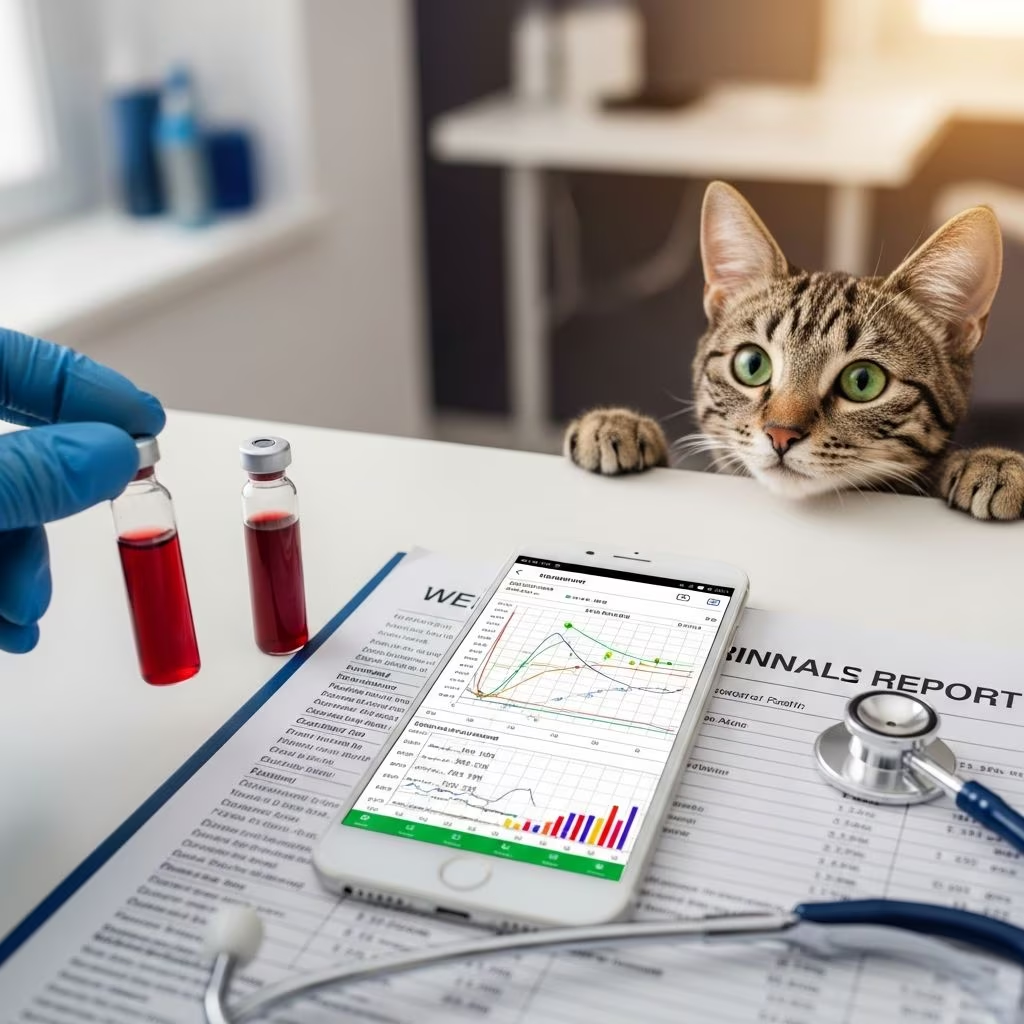
Understanding your cat’s blood test results empowers you to partner effectively with your veterinarian in maintaining optimal health. These diagnostic tools provide critical insights into organ function, blood cell health, and potential diseases, often before symptoms appear.
Why Blood Testing Matters for Cats
Blood tests form the cornerstone of preventive veterinary care for cats, offering a window into internal health that physical exams alone cannot provide. They help establish baselines for senior cats, monitor chronic conditions, or diagnose unexplained symptoms like lethargy or weight loss. Typically, vets draw blood during routine checkups or illness investigations, analyzing it via complete blood count (CBC) and chemistry panels run from separate vials but almost always together for comprehensive screening.
Early detection through blood work can transform outcomes for common feline issues like kidney disease, which affects many older cats silently. Regular testing, especially annually after age 7, allows timely interventions that extend life quality and quantity.
Breaking Down the Complete Blood Count (CBC)
The CBC evaluates cellular components of blood, revealing issues like anemia, infections, or clotting problems. It measures red blood cells (RBCs), white blood cells (WBCs), and platelets, providing a snapshot of oxygen transport, immune response, and hemostasis.
- Red Blood Cells (RBCs): These carry oxygen via hemoglobin. Low counts signal anemia from blood loss, parasites, or chronic disease; high counts may indicate dehydration.
- White Blood Cells (WBCs): Elevated levels point to infection, inflammation, stress, or cancer; low counts suggest immune suppression or bone marrow issues. Specific types (neutrophils, lymphocytes) pinpoint threats like bacteria or viruses.
- Platelets: Essential for clotting, low numbers risk bleeding; high counts may signal inflammation.
A CBC flags dehydration, internal bleeding, or immune disorders, guiding further tests like fecal exams for parasites.
Essential Chemistry Panel Markers
The chemistry panel assesses blood serum for electrolytes, proteins, enzymes, and waste products, evaluating kidney, liver, and metabolic function. Key markers include kidney indicators, liver enzymes, glucose, and proteins.
Kidney Function: BUN and Creatinine
Blood Urea Nitrogen (BUN) and creatinine are waste products filtered by kidneys. Elevated BUN suggests dehydration, gastrointestinal bleeding, or early kidney issues; high creatinine more specifically indicates renal dysfunction as kidneys struggle to clear it. Normal ranges vary by lab, but trends over time are crucial for seniors prone to chronic kidney disease.
| Marker | Normal Range (approx.) | High Levels Indicate | Low Levels Indicate |
|---|---|---|---|
| BUN | 15-35 mg/dL | Kidney issues, dehydration | Liver disease, malnutrition |
| Creatinine | 0.8-2.3 mg/dL | Kidney dysfunction | Rare, muscle wasting |
Liver Health: ALT and Bilirubin
Alanine Aminotransferase (ALT) is a liver enzyme; elevations signal hepatocyte damage from toxins, infections, or fatty liver disease. Total Bilirubin (TBIL), a bile pigment, rises with liver dysfunction or bile duct obstruction, causing jaundice. Monitoring these prevents progression to hepatic failure.
Glucose and Diabetes Screening
Blood glucose reflects sugar metabolism. High levels diagnose diabetes mellitus, common in obese cats; low levels (hypoglycemia) may stem from insulin overdose, liver issues, or sepsis. Stress can falsely elevate readings, so paired with urinalysis for accuracy.
Electrolytes and Hydration Status
Sodium, potassium, chloride, and phosphorus maintain fluid balance and nerve function. Imbalances signal kidney disease, vomiting, diarrhea, or heart issues, often presenting as weakness or arrhythmias.
Proteins and Thyroid: Total Protein and T4
Total protein assesses hydration, nutrition, and organ health; low levels indicate blood loss or malabsorption. Thyroxine (T4) screens for hyperthyroidism, prevalent in seniors, causing weight loss and hyperactivity. Low T4 in cats rarely means hypothyroidism but may flag illness.
Viral Screening: FeLV and FIV Tests
Feline Leukemia Virus (FeLV) and Feline Immunodeficiency Virus (FIV) tests are vital, especially for outdoor or multi-cat households. FeLV suppresses immunity and causes anemia; FIV leads to AIDS-like syndrome. Positive results guide isolation, vaccination discussions, and monitoring.
Interpreting Results: Normal vs. Abnormal
Reference ranges are lab-specific and age/breed-influenced; always review with your vet. A single abnormal value prompts retesting; patterns across CBC and chemistry pinpoint diagnoses. For instance, high BUN/creatinine with low protein suggests kidney disease; elevated WBC/ALT indicates infection plus liver stress.
Common Patterns:
- Anemia (low RBC/hemoglobin) + high BUN: Chronic kidney disease.
- High glucose + weight loss: Diabetes.
- Elevated ALT/TBIL + jaundice: Liver pathology.
When and How Often to Test
Kittens get baseline tests for FeLV/FIV; adults annually; seniors (7+) biannually or more with risks like obesity. Pre-anesthetic, illness, or medication monitoring warrants testing. Pair with urinalysis and blood pressure for full assessment.
FAQs: Common Questions on Cat Blood Work
Q: What if my cat’s results are slightly off?
A: Minor deviations often reflect stress or diet; retest confirms. Consult your vet for context.
Q: Are blood tests painful for cats?
A: A quick needle prick; sedation rarely needed. Fasting may be required for accuracy.
Q: How much do cat blood tests cost?
A: $50-200 depending on panel; wellness plans reduce costs.
Q: Can diet affect results?
A: Yes, high-protein foods elevate BUN; fast 6-12 hours pre-test.
Q: What if my indoor cat tests positive for FeLV?
A: Rare but possible via fomites; retest and isolate.
Empowering Your Cat’s Health Journey
Mastering blood test interpretations fosters proactive care, catching silent killers like kidney or thyroid disease early. Discuss results thoroughly with your vet, track trends, and integrate with lifestyle advice for peak feline vitality. Regular wellness exams with blood work ensure your cat thrives for years.
References
- The ABCs of Cat Bloodwork: What Those Results Really Mean — AAHA. 2023. https://www.aaha.org/resources/the-abcs-of-cat-bloodwork-what-those-results-really-mean/
- Your Comprehensive Guide to Blood Tests for Cats — Dockery Mobley Vets. 2024-07-15. https://www.dockerymobleyvets.com/site/blog/2024/07/15/cat-blood-tests
- Understanding Blood Tests for Cats — Riverside Veterinary Hospital. 2024-07-23. https://www.riverside-vet.com/site/blog/2024/07/23/understanding-blood-tests-cats
- Blood Work Summary — Princeton Animal Hospital. N/A. https://www.princetonvet.com/blood-work-summary
- Understanding Blood Tests For Cats — Central Valley Animal Hospital. 2024-09-15. https://www.centralvalleyanimalhospital.com/site/blog/2024/09/15/blood-test-cat
- Understanding Your Cat’s Blood Work Results — All Feline Hospital. N/A. https://www.allfelinehospital.com/blood-work-explanation.pml



