

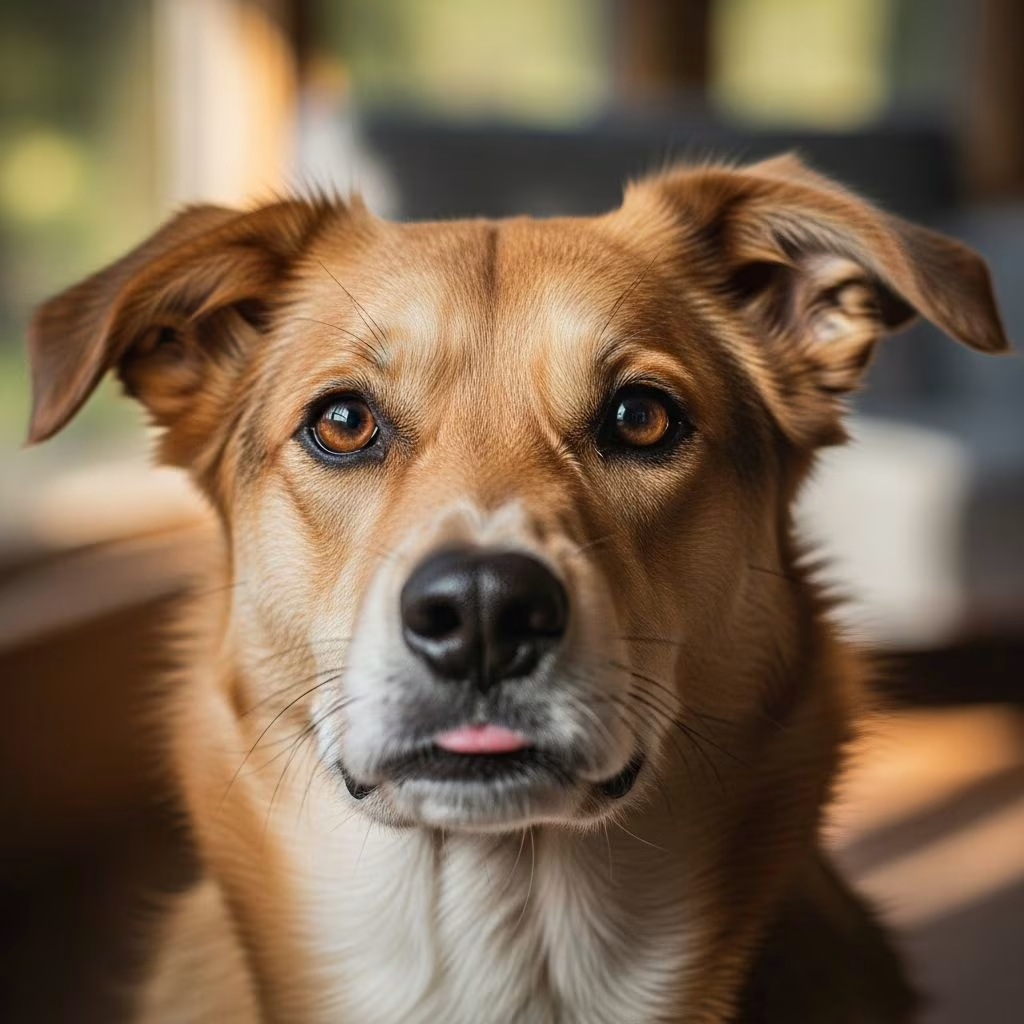
Dogs communicate primarily through visual cues rather than words, relying on postures, facial expressions, and movements to express their feelings and intentions. Understanding these signals fosters a deeper connection with your pet and helps avoid conflicts during interactions with other dogs or people.
Why Mastering Dog Body Language Matters
Canine body language serves as the foundation of inter-dog communication, encompassing tail positions, ear orientations, eye contact, and overall posture. Misinterpreting these can lead to unnecessary stress or aggression, while accurate reading promotes harmonious relationships. Owners who learn these cues can better address their dog’s needs, spot early signs of discomfort, and enhance training effectiveness.
Research from veterinary behaviorists emphasizes that dogs use a combination of subtle and overt signals on a graduated scale, starting with mild appeasement gestures before escalating if ignored. This knowledge is crucial for multi-dog households or when introducing pets to new environments.
The Tail: More Than Just Wagging
A wagging tail often signals emotional arousal, but its speed, direction, and height reveal the specific mood. Slow, wide sweeps from side to side, sometimes involving the whole body, indicate relaxation and joy. In contrast, rapid, twitchy wags with a high-held tail suggest heightened alertness or potential aggression, as seen in guard dogs.
Circular wags are a strong indicator of pure happiness and friendliness, especially when combined with a relaxed body. A tucked tail, pressed against the body, conveys fear or submission, signaling the dog wants to appear smaller and less threatening.
- High tail, stiff wag: Confidence or threat.
- Low wag: Uncertainty or caution.
- No movement: Neutral or focused state.
Ears: Windows to Alertness and Emotion
Ear position varies by breed but generally shows attentiveness or unease. Forward-pointing ears denote interest or readiness, as in a dog spotting prey or greeting a friend. Relaxed ears, slightly back or floppy, signal contentment in happy, submissive dogs.
Pinned-back ears flat against the head indicate fear or defensiveness, an attempt to minimize presence. Upright and forward ears paired with a tense body suggest preparation for action, either fight or flight. Observing ears alongside other cues provides context for the dog’s intent.
Eyes and Facial Expressions: Subtle Emotional Tells
Dogs’ eyes convey direct messages: a soft, squinting gaze or relaxed blinking shows comfort and trust. A hard stare or wide, alert eyes signal arousal or challenge, while “whale eye”—showing whites by averting gaze—indicates anxiety or avoidance.
Facial tension around the muzzle and forehead, along with lip licking or yawning, often denotes stress or appeasement efforts. Tongue flicks and nose licks are calming signals to de-escalate tension, common in uncertain situations.
| Eye/Face Signal | Meaning | Context |
|---|---|---|
| Soft gaze | Relaxed, friendly | Greetings, play |
| Hard stare | Alert, threatening | Guarding territory |
| Whale eye | Fearful avoidance | Unwanted approach |
| Lip lick/yawn | Appeasement/stress | Diffuse conflict |
Posture and Body Weight: Intentions Revealed
A dog’s stance speaks volumes about confidence levels. Forward-leaning weight distribution shows interest or approach motivation, potentially offensive if stiff. Conversely, a hunched, low posture with weight pulled back indicates fear, making the dog appear smaller.
Raised hackles—piloerection along the back—signal high arousal, not always aggression but often linked to fear or excitement. The play bow, with front lowered and rear elevated, is a universal invitation to fun, clear even to humans. A raised paw outside hunting contexts suggests hesitation or insecurity.
Signs of Relaxation and Contentment
Relaxed dogs display loose muscles, open mouths with panting, and leaning into contact. They may roll over for belly rubs or lay down with legs extended, all hallmarks of trust and ease. Circular tail wags and soft eye contact reinforce this joyful state.
- Leaning or flopping against you: Affection and security.
- Play bows during interaction: Eagerness for engagement.
- Open, panting mouth: Comfortable breathing, not distress.
Recognizing Stress, Fear, and Aggression
Stress builds through progressive signals: avoidance of eye contact, body freezes, or displacement behaviors like sniffing. Fearful dogs tuck tails, crouch, whimper, or show appeasement by rolling over submissively.
Aggressive postures include elevated head and ears, forward stance, snarling lips, and growls, aiming to appear larger. Internal conflict may cause ambivalence, like a raised paw with averted gaze. Health issues mimic stress: limping, head hanging, or tense posture warrant vet checks.
Health Indicators in Body Language
Changes in usual signals can flag illness. Excessive sleeping, grumpiness, or avoidance of play signal discomfort. Physical cues like arched backs, tucked bellies, lip-smacking, or whimpering point to pain or nausea. Prompt observation prevents escalation.
Practical Tips for Better Canine-Human Communication
To respond effectively, observe the whole dog—combine tail, ears, eyes, and posture. Avoid direct stares if the dog seems unsure, as they can provoke. Respect space during greetings, letting the dog approach first.
- Watch for clusters of signals, not isolated ones.
- Practice in low-stakes settings like parks.
- Use positive reinforcement for calm behaviors.
- Consult trainers for persistent issues.
Common Misconceptions About Dog Signals
Not all wags mean happiness; context is key. Ears back don’t always mean aggression—relaxed back ears can show submission. Yawning isn’t boredom but stress relief. Debunking these improves safety.
FAQs
What does a fast tail wag mean?
A fast wag indicates high arousal, which could be excitement or agitation—check other body cues.
How do I know if my dog is scared?
Look for tucked tail, pinned ears, whale eye, crouching, or lip licking.
Is a play bow always playful?
Yes, when accompanied by relaxed wags and bouncy movements; stiff posture changes this.
Why does my dog yawn around strangers?
It’s an appeasement signal to calm situations, showing mild stress.
Can body language indicate pain?
Yes, signs include limping, tense posture, head lowering, or reduced activity.
Building a Stronger Bond Through Observation
Consistent attention to these signals transforms ownership, reducing mishaps and enhancing joy. Dogs thrive when understood, leading to fewer behavioral issues and more fulfilling companionships.
References
- How to Read Dog Body Language — American Kennel Club. 2023-10-15. https://www.akc.org/expert-advice/training/how-to-read-dog-body-language/
- Understanding Your Dog’s Body Language: A Guide to Canine Communication — Texas A&M University Stories. 2025-03-13. https://stories.tamu.edu/news/2025/03/13/understanding-your-dogs-body-language-a-guide-to-canine-communication/
- Canine Communication – Interpreting Dog Language — VCA Animal Hospitals. 2024-05-20. https://vcahospitals.com/know-your-pet/canine-communication—interpreting-dog-language
- Canine Body Language — American Society for the Prevention of Cruelty to Animals (ASPCA). 2022-01-01. https://www.scanimalshelter.org/sites/default/files/Canine_Body_Language_ASPCA.pdf
- Dog Body Language: Understanding Canine Communication — YouTube (Video Description). 2023-11-10. https://www.youtube.com/watch?v=t1Zcqp8IwnI



