

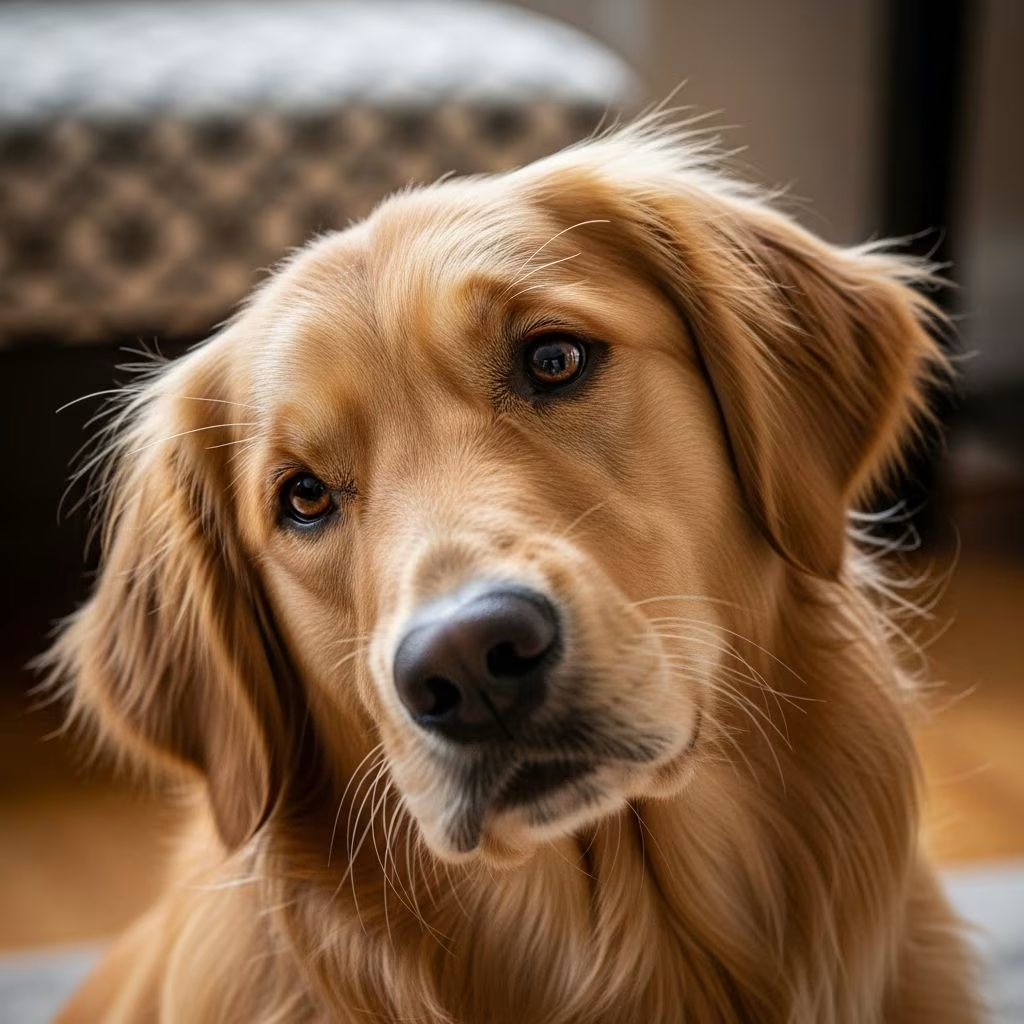
Dogs communicate volumes through subtle facial expressions and body postures, and the side glance—often called side eye—is one of the most intriguing. This behavior involves a dog turning its head slightly while fixing its gaze sideways, sometimes revealing the whites of its eyes. Far from a mere quirk, it serves multiple purposes rooted in instinct, emotion, and physiology. Understanding it helps owners foster trust, prevent misunderstandings, and ensure their pet’s well-being.
The Fundamentals of Canine Visual Cues
In canine social dynamics, direct staring equates to confrontation, much like a challenge among wild packs. A sideways look diffuses tension, signaling non-aggression. This glance allows dogs to observe without provoking, preserving harmony in interactions with other dogs or humans.
Anatomical factors play a role too. Breeds with prominent or rounded eyes, such as Pugs or Boston Terriers, naturally display more visible sclera, mimicking intentional side eye even when relaxed. This trait enhances their expressive appeal but can confuse novice observers.
Polite Signals and Social Etiquette
Many side glances are benign greetings. When meeting a new dog at the park, your pet might avert direct contact via a side view to convey respect and peace. This mirrors deference in wolf packs, where subordinates avoid staring at alphas to prevent fights.
Owners often receive this during calm moments, like lounging nearby. It’s a sign of comfort and acknowledgment, saying, “I see you, and all is well.” Paired with a loose tail wag or soft ears, it reinforces bonding without intensity.
Recognizing Stress Through Whale Eye
Not all side eyes are friendly; some reveal inner turmoil. Whale eye occurs when a dog’s head turns away but eyes lock on a stimulus, exposing significant sclera. This tense expression flags anxiety, often with stiff posture, lip licking, yawning, or tucked tail.
Common triggers include:
- Overzealous hugs from children, invading personal space.
- Loud environments like fireworks or vacuums overwhelming senses.
- Forced interactions, such as unwanted petting on paws or face.
- Resource proximity, like food bowls during mealtime prep.
Spotting whale eye early allows intervention—remove the stressor, offer space, or distract with a toy—averting escalation to growls or bites.
Resource Guarding and Possessive Behaviors
A frequent side eye context is protection of valuables. Dogs guarding bones, toys, or even owners shoot sideways stares while monitoring approaches. The message: “Back off; this stays mine.” Body tension, frozen stance, and low growls amplify the warning.
| Guarding Trigger | Side Eye Indicators | Safe Response |
|---|---|---|
| High-value chew | Head turned, eyes fixed, stiff body | Don’t approach; trade for lower-value item |
| Favorite toy | Relaxed chew but vigilant glance | Use desensitization training over time |
| Owner attention | Glance at rival, then back | Reinforce calm with commands |
| Food bowl | Wide eyes during eating | Hand-feed portions to build trust |
Addressing guarding involves counter-conditioning: approach calmly with treats, rewarding tolerance. Consistency reduces possessive glances within weeks.
Curiosity, Caution, and Subtle Emotions
Beyond stress, side eye expresses intrigue or wariness. A dog eyeing a novel object—like a dropped treat or moving toy—uses peripheral vision to assess without commitment. Ears perked and tail neutral indicate positive interest.
Skepticism appears in uncertain settings, such as vet visits. The glance monitors handlers while signaling unease, urging space. Mild annoyance, from repeated commands, might prompt a casual side look, akin to a sigh.
Submission rounds out positives: a lowered head with side eye acknowledges leadership, common in multi-dog homes or training.
When Side Eye Signals Health Concerns
Persistent or involuntary side glances warrant vet checks. Strabismus, eye misalignment, causes constant deviation due to genetics, injury, or neurology. Breeds like Boston Terriers are prone; symptoms include head tilting or disorientation.
Other issues:
- Vision impairment prompting overcompensation.
- Pain from infections or glaucoma altering gaze.
- Neurological disorders affecting muscle control.
If side eye accompanies squinting, discharge, or imbalance, seek prompt evaluation to rule out treatable conditions.
Strategies to Minimize Negative Side Eye
Proactive management transforms problematic glances into confident behaviors. Enrichment combats boredom-fueled anxiety: puzzle feeders, scent games, and long walks engage mind and body.
Establish routines—fixed mealtimes, play sessions—for predictability, reducing uncertainty glances. Leadership through rules (no jumping, wait for food) builds security.
Training tips:
- Teach “look away” cues rewarding calm aversion.
- Desensitize triggers gradually with positive reinforcement.
- Use calming aids like pheromone diffusers for high-stress dogs.
Professional help from certified trainers benefits severe cases, ensuring humane, effective change.
Breed Variations in Eye Expressions
Anatomy influences side eye frequency. Brachycephalic breeds (short-nosed) show more sclera naturally, amplifying expressions. Sighthounds like Greyhounds use keen peripheral vision for hunting simulations, making glances seem judgmental.
Herding breeds, such as Border Collies, employ intense stares but soften to sides in deference. Recognizing breed norms prevents mislabeling normalcy as distress.
Building a Deeper Connection
Mastering side eye interpretation enhances empathy. Respond to polite glances with praise, stress signals with space, and guarding with training. This dialogue strengthens trust, minimizing conflicts.
Observe holistically: combine eye position with ears, tail, and posture for accurate reads. Over time, you’ll anticipate needs, creating a harmonious home.
Frequently Asked Questions
Is dog side eye always a bad sign?
No, it often signals politeness or curiosity. Context matters—relaxed body means neutral or positive; tension indicates stress.
What if my dog shows whale eye often?
Identify triggers and mitigate: more exercise, safe spaces, or behaviorist consult. It signals discomfort needing address.
Can puppies learn side eye as a trick?
Yes, some mimic humans amusingly, but differentiate from instinctive cues. Reward desired behaviors selectively.
Does breed affect side eye meaning?
Yes, eye shape influences appearance, but emotional roots are universal. Vet checks clarify anomalies.
How do I train away resource guarding side eye?
Use trades, hand-feeding, and consistency. Progress slowly to build positive associations.
References
- Why Does My Dog Give Me Side Eye? — TelaVets. 2023-05-15. https://www.telavets.com/blog/why-does-my-dog-give-me-side-eye
- Dog Side Eye Decoded: 3 Quick Ways To Read The Look — Devil Dog Pet Co. 2024-02-10. https://devildogpetco.com/blogs/the-devil-dog-blog/dog-side-eye
- Dog Side Eye Meaning — PetPlace. 2023-11-20. https://www.petplace.com/article/dogs/pet-behavior-training/dog-side-eye-meaning
- Here’s Why Your Dog Is Giving You the Side-Eye — Country Living. 2024-08-05. https://www.countryliving.com/life/kids-pets/a64364241/dog-side-eye/
- Here’s why your dog gives you the side eye — BBC Science Focus. 2023-07-12. https://www.sciencefocus.com/nature/dog-side-eye



