

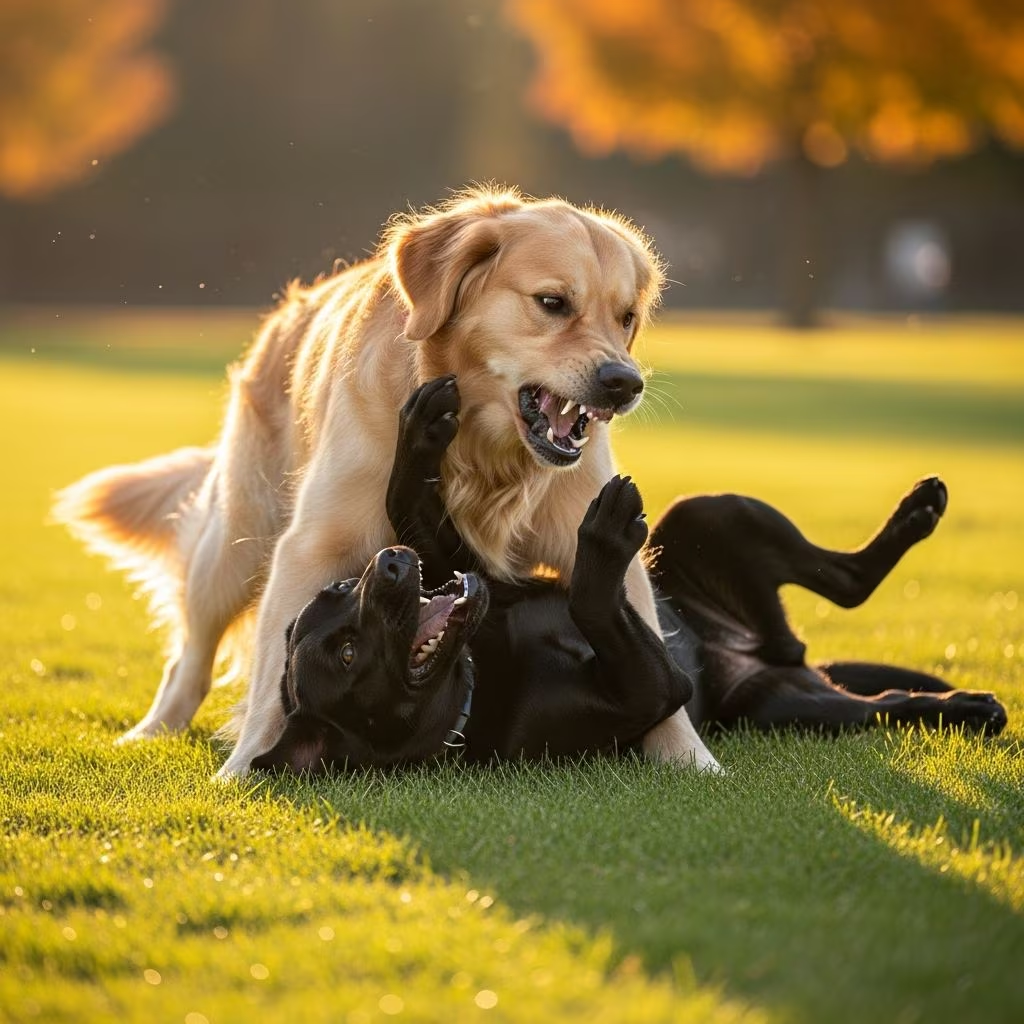
Dogs often engage in vigorous tussles that mimic combat, but these interactions serve vital purposes in their social world. Understanding this behavior helps owners foster safe environments where pets thrive.
The Instinctual Roots of Mock Battles
At its core, canine roughhousing stems from evolutionary drives. Puppies naturally wrestle to hone survival skills like hunting, defending territory, and navigating pack dynamics. This play mirrors adult confrontations but remains non-lethal, allowing dogs to practice without real risk.
Socialization ranks high among benefits. Through these sessions, dogs decipher body language, vocal cues, and boundaries from peers. A young pup learns when to yield or press on, building confidence and adaptability for future encounters.
Core Motivations Driving Dog Play
- Skill Building: Mock fights sharpen reflexes, jaw strength, and agility essential for predatory pursuits.
- Social Learning: Dogs test hierarchies gently, establishing roles without violence.
- Emotional Release: Play channels excess energy, reducing stress and promoting mental health.
- Bonding Mechanism: Shared roughhousing strengthens pack ties, much like human team sports.
These drives ensure play fighting persists across breeds and ages, though intensity varies by individual temperament and experience.
Spotting Genuine Fun: Hallmarks of Healthy Play
Distinguishing joy from hostility requires keen observation. Healthy sessions feature bouncy movements, relaxed postures, and mutual enthusiasm. Dogs alternate roles seamlessly—one moment chasing, the next pursued—demonstrating equity.
- Play bows: Front end dips low, rear elevated, signaling “let’s romp!”
- Exaggerated noises: Loud, drawn-out growls mixed with yips, unlike terse fight snarls.
- Controlled mouthing: Teeth graze without puncturing; bites inhibit force automatically.
- Frequent breaks: Brief pauses let everyone regroup, preventing fatigue-fueled mishaps.
- Role flips: No single dog dominates indefinitely; underdogs rally back eagerly.
If both parties disengage happily upon separation, only to reinitiate, it’s pure recreation.
When Rough Play Crosses into Danger
Not all tussles stay benign. Escalation happens when arousal overrides control, turning games hostile. Watch for stiff bodies, pinned ears, or lips curling over teeth—precursors to true conflict.
| Play Fighting Signs | Aggression Indicators |
|---|---|
| Bouncy, loose movements | Rigid, linear lunges |
| Alternating chase roles | One-sided pinning |
| Soft, inhibited bites | Painful clamping |
| Play bows and pauses | No breaks, intense stares |
Overly dominant actions, like prolonged mounting or bullying, signal trouble. The pursued dog may cower, yelp sharply, or flee—clear distress calls demanding intervention.
Factors Fueling Escalation Risks
Several elements heighten chances of play gone wrong. Overstimulation clouds judgment, prompting harder bites or relentless pursuit. Size mismatches amplify hazards; a giant breed can overwhelm a tiny companion unintentionally.
- Hyperactivity: High-energy dogs amp up too quickly, ignoring cues.
- Age Shifts: Adolescents grow less tolerant, “snarking” at former playmates.
- Poor Bite Control: Unsocilized pups bite fully, sparking retaliation.
- Group Dynamics: Packs ganging on one can shift to predatory chases.
Humping, though not always dominant, often stems from overexcitement and warrants halting to avert misreads.
Supervision Strategies for Safe Sessions
Owners act as referees, stepping in proactively. Monitor sessions closely, especially with unfamiliar dogs or marked disparities. Interrupt at early warnings: a single yelp ignored means pause play immediately.
- Enforce timeouts: Separate for cooling off, rewarding calm returns.
- Train impulse control: Teach “leave it” or recall amid excitement.
- Match playmates wisely: Pair similar sizes, energy levels, and socialization histories.
- Use corrections judiciously: Leash tugs or firm “no” for bullies, avoiding over-punishment.
If hyperactivity persists, channel energy via structured exercise first—walks or fetch—to mellow play.
Developmental Stages and Play Evolution
Puppyhood brims with rowdy romps, ideal for learning inhibition from littermates. By adolescence, tolerance wanes as dogs mature, preferring measured interactions. Adults play less but value it for maintenance.
Unsociable starts haunt later life; isolated pups miss bite calibration, risking aggressive labels. Early, supervised group exposure builds resilient communicators.
Breed and Individual Variations
Temperament influences style. Terriers relish tug-of-war ferocity, while herders favor chase games. High-drive breeds like shepherds demand outlets to curb frustration-fueled intensity.
Personal history matters too—rescues with trauma may misinterpret signals, needing gradual reintroduction.
Health Benefits Beyond Fun
Roughhousing boosts more than social savvy. It enhances cardiovascular fitness, coordinates muscles, and stimulates cognition through split-second decisions. Mentally, it combats boredom, curbing destructive habits.
For multi-dog homes, it forges harmony, reducing resource tensions via established pecking orders.
Common Myths Debunked
- Myth: All growling signals rage. Play vocalizations are theatrical, not threats.
- Myth: Rough play makes dogs aggressive. Properly managed, it teaches control.
- Myth: Puppies outgrow issues automatically. Guidance ensures positive trajectories.
Frequently Asked Questions
Is play fighting normal for adult dogs?
Yes, though less frequent than in youth. It maintains bonds and skills if both consent.
How do I stop play turning into a fight?
Watch for imbalance, intervene early with separation, and resume only if enthusiasm reignites equally.
Should I let puppies play rough?
Supervised only—until 12-16 weeks with litter teaches vital inhibition; post-weaning, owner oversight is key.
What if my dog bullies others?
Train boundaries, limit access to tolerant playmates, and consult pros for dominance patterns.
Can play fighting harm puppies?
Minimal risk with peers; avoid adults initially to prevent injury or fear imprinting.
References
- Triggers and Underlying Causes of Dog Aggression: Part 3 – Overly Intense Play and Dog Aggression — Thriving Canine. 2023. https://www.thrivingcanine.com/blog/triggers-and-underlying-causes-dog-aggression-part-3-overly-intense-play/
- Dog Play Fighting: Understanding Canine Behavior and Benefits — UAH Pet. 2024. https://www.uahpet.com/blogs/post/dog-play-fighting-understanding-canine-behavior-and-benefits
- Understanding Dog Behavior: Play Fighting vs. Real Fighting — Diamond Pet. 2023. https://www.diamondpet.com/blog/behavior/psychology/dogs-play-fighting/
- Play Fighting vs. Aggression — The DogFather. 2024. https://www.thedogfather.com/training-tips/play-fighting-vs-aggression
- When Good Play Goes Bad: Dog Tolerance Changes in Adolescent/Adult Dogs — Animal Humane Society. 2023. https://www.animalhumanesociety.org/resource/when-good-play-goes-bad-dog-tolerance-changes-adolescentadult-dogs



