
Decoding Canine Prey Drive
Explore the instincts behind your dog's chasing urges and master strategies to channel them safely for a harmonious life together.
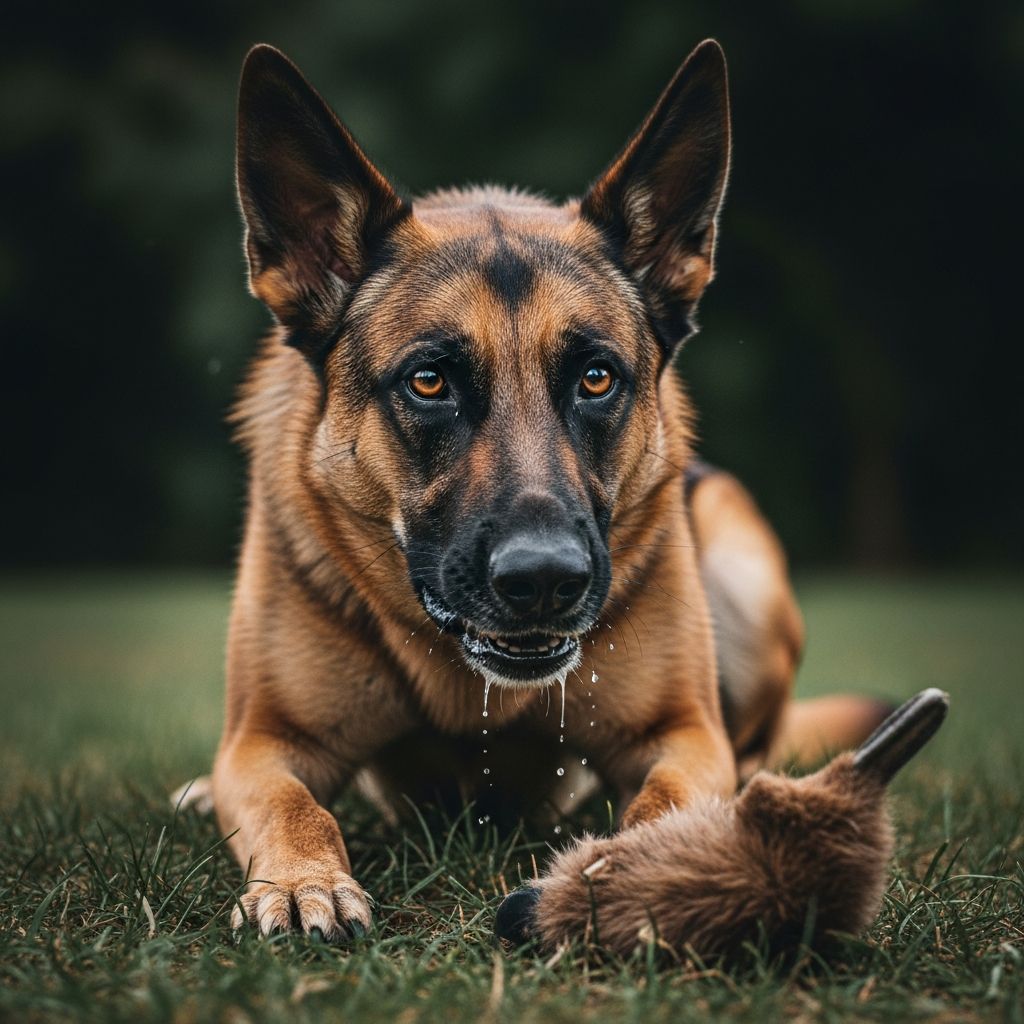
Prey drive represents a fundamental instinct in dogs, compelling them to pursue moving targets as a remnant of their predatory ancestry. Understanding this behavior equips owners to foster safer interactions and fulfilling lives for their pets.
The Evolutionary Roots of Prey Drive
Dogs inherited prey drive from their wolf progenitors, where it served as a survival mechanism for locating and securing food. This innate sequence evolved to ensure efficient hunting in wild packs, manifesting today even in domesticated breeds far removed from wilderness needs.
In modern contexts, this drive persists universally across dog breeds, varying in intensity based on selective breeding for tasks like herding, retrieving, or vermin control. Far from a flaw, it underscores the canine bond to nature, influencing play, exercise preferences, and responses to stimuli.
Breaking Down the Predatory Sequence
Prey drive unfolds in a predictable chain of actions, each building toward potential capture. Recognizing these phases helps owners anticipate and redirect behaviors effectively.
- Orienting and Searching: Dogs begin by scanning environments, sniffing air or ground, and alerting to motion or scents, priming for engagement.
- Stalking Phase: Body lowers into a crouch, eyes fixate intensely, and stealthy approaches commence, mimicking a hunter’s caution.
- Chase Activation: Explosive pursuit follows, with high-speed dashes after targets like squirrels or toys, fueled by adrenaline.
- Capture Attempt: Involves grabbing, shaking, or pouncing, often seen in toy play without harm.
- Dissection and Consumption: Rarely completed in pets, this final step involves killing and eating, suppressed by domestication.
Not all dogs exhibit every stage; herding breeds amplify stalking for livestock control, while retrievers emphasize chase and hold.
Common Manifestations in Everyday Life
Prey drive surfaces in diverse scenarios, from backyard frolics to urban walks. Owners frequently observe dogs lunging at passing cyclists, fixating on fluttering leaves, or obsessively pursuing balls during fetch.
High-drive dogs may tunnel into burrows chasing rodents, stalk family cats with rigid posture, or whirl in frustration when leashed during wildlife sightings. These actions, while natural, demand management to prevent escalation.
| Behavior | Description | Common Triggers |
|---|---|---|
| Chasing Small Animals | Rapid pursuit of squirrels, birds, or rabbits | Parks, yards with wildlife |
| Vehicle Fixation | Staring or lunging at cars, bikes | Walks near roads |
| Play Hyperfocus | Intense toy grabbing and shaking | Fetch or tug games |
| Herding Attempts | Nipping heels of running children or pets | Movement in home |
When Instincts Turn Challenging
While adaptive in origin, unchecked prey drive poses hazards. Dogs may bolt into traffic, injuring themselves or straining owner shoulders on leashes. Repeated indulgence heightens the drive, creating compulsive patterns that disrupt training or socialization.
Distinguish it from aggression: prey behaviors target motion joyfully, lacking defensive snarls or resource guarding. Misinterpretation leads to improper corrections, worsening issues. High drive can also blur play boundaries, risking ‘predatory drift’ where games intensify harmfully, especially between size-disparate dogs.
Breed Variations and Genetic Influences
Breeding history shapes prey drive strength. Terriers, bred for underground hunts, display full sequences against pests. Sighthounds like Greyhounds excel in chase, while hounds prioritize scent tracking.
- High-Drive Breeds: Border Collies, Jack Russell Terriers, Siberian Huskies – intense focus and pursuit.
- Moderate: Labrador Retrievers, German Shepherds – channeled in work or sports.
- Lower: Bulldogs, Pugs – minimal chasing urges.
Individual temperament, early experiences, and environment modulate expression, proving genetics aren’t destiny.
Practical Management Techniques
Suppressing prey drive proves counterproductive; instead, channel it constructively through training and outlets. Start with impulse control basics like ‘leave it’ and recall under distraction.
- Leash Protocols: Use long lines in safe areas to practice controlled chases, rewarding returns before fixation peaks.
- Enrichment Toys: Puzzle feeders and flirt poles simulate sequences safely indoors.
- Obedience Drills: Teach ‘watch me’ to redirect gaze from triggers, building focus on owners.
- Exercise Regimens: High-drive dogs thrive on agility, flyball, or herding trials to exhaust instincts.
Consistency prevents reinforcement; avoid yanking leashes, which heightens arousal. Professional trainers aid complex cases.
Training Exercises for Control
Dedicated sessions build reliability. Begin in low-distraction settings, progressing gradually.
| Exercise | Steps | Benefits |
|---|---|---|
| Impulse Control Game | Place treats on floor; teach ‘wait’ before release | Reduces grab-and-shake urges | Recall Challenge | Use toys as rewards; call during mild excitement | Strengthens disengagement | Tug with Rules | Start/stop on cue; drop on command | Teaches bite inhibition |
Positive reinforcement accelerates progress, leveraging the drive’s reward-seeking nature.
FAQs on Canine Prey Drive
Can prey drive be eliminated?
No, it’s genetic, but training manages it effectively for safe coexistence.
Is prey drive dangerous for cats in multi-pet homes?
Potentially; supervised intros and separate spaces mitigate risks.
How does spaying/neutering affect prey drive?
It may mildly reduce intensity but doesn’t erase the instinct.
Why do some dogs chase shadows or lights?
Motion triggers the orienting phase, common in high-drive individuals.
When to seek professional help?
If chases lead to escapes, injuries, or unmanageable frustration.
Safe Play and Socialization Strategies
Curate playdates with size-matched, low-drive dogs to avoid drift. Monitor for stalking shifts during romps, intervening early with commands. Socialization exposes puppies to stimuli controllably, desensitizing overreactions.
Incorporate mental workouts like scent games, tiring dogs without physical chase risks. Routine prevents boredom-fueled outbursts.
Long-Term Lifestyle Adjustments
Integrate prey drive into daily routines: morning runs for chasers, evening puzzles for stalkers. Track progress in a journal to refine approaches. Owners embracing this trait build stronger bonds, turning potential liabilities into strengths.
For working breeds, competitive sports provide purpose, reducing household frustrations. Adapt environments – secure fencing, window films blocking bird views – to minimize triggers.
References
- Prey Drive in Dogs – PetMD — PetMD. 2023. https://www.petmd.com/dog/behavior/prey-drive-dog
- All About Your Dog’s Prey Drive and How to Manage It — PrideBites. 2023. https://pridebites.com/blogs/barking-post-blog/all-about-your-dogs-prey-drive-and-how-to-manage-it
- Prey Drive | PAWS Chicago News — PAWS Chicago. 2022. https://www.pawschicago.org/news-resources/news-features/paws-chicago-news/paws-chicago-news-item/showarticle/prey-drive
- Understanding Your Dog’s Prey Drive: What It Is and How to Manage It — YouTube (Will Atherton). 2023-11-30. https://www.youtube.com/watch?v=B0derJhIaxY
- Difference between aggression and prey drive — A Dog’s Life with Lia. 2023. https://dogswithlia.com/difference-between-aggression-and-prey-drive/
- When Dog Play and Prey Drives Blur — Aggressive Dog. 2024-11-30. https://aggressivedog.com/2024/11/30/when-dog-play-and-prey-drives-blur/
- What Is Prey Drive In Dogs: Understanding Your Dog’s Hunting Instinct — K9 Mania Dog Training. 2024. https://k9maniadogtraining.com/what-is-prey-drive-in-dogs/
Similar Articles








Read full bio of medha deb




