

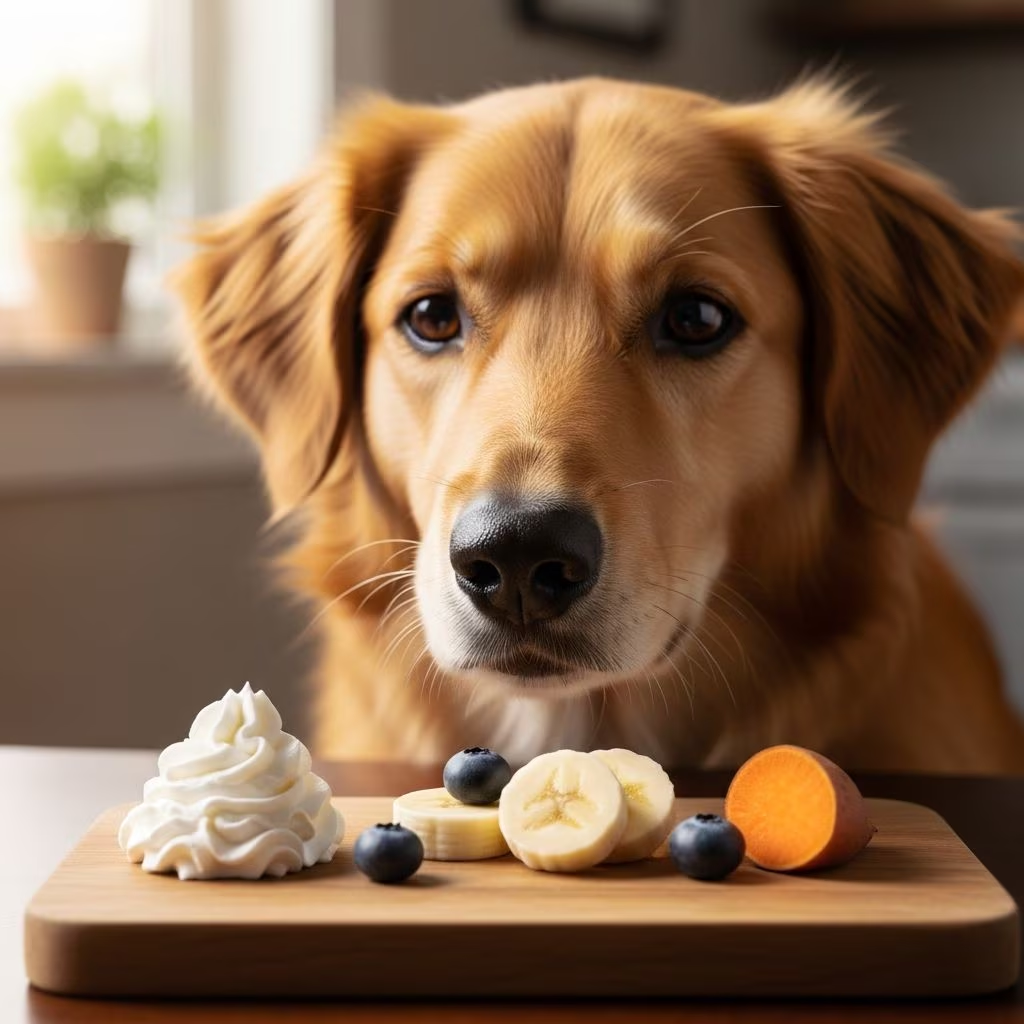
Dogs possess a remarkable ability to detect sweet flavors, setting them apart from strict carnivores like cats and intriguing pet owners worldwide. This sensitivity stems from functional taste receptors tailored to their omnivorous heritage, allowing them to relish sugary treats alongside meats and fats.
The Biology of Dog Taste Perception
A dog’s mouth features around 1,700 taste buds, far fewer than the 9,000 in humans, yet these receptors enable detection of sweet, sour, salty, bitter, and even water-specific tastes. Unlike humans, where the tongue tip prioritizes sweetness, dogs’ rear tongue is most responsive to sweets, explaining their tendency to gulp sugary items quickly. Taste buds cluster in papillae—small bumps on the tongue—and extend to the throat, letting dogs ‘taste’ inhaled food without thorough chewing.
Key to sweetness detection is the Tas1r2 gene, which encodes sweet taste receptors. Dogs retain a functional version, unlike cats whose mutation renders it inactive, making felines indifferent to sugars. This genetic distinction aligns with dietary evolution: dogs as adaptable scavengers versus cats as obligate carnivores.
- Sweet receptors: Active in dogs, concentrated at tongue rear.
- Water detectors: Unique to tip, enhancing hydration appeal.
- Meat focus: Strong affinity for proteins and fats over carbs.
Evolutionary Roots of Sweet Tooth in Dogs
Ancestral dogs scavenged varied foods, favoring calorie-dense options for survival energy. Sweet detection likely evolved to identify ripe fruits or starchy plants during lean times, supplementing meat-based diets. This flexibility persists, with modern dogs drawn to high-fat, high-protein treats mimicking prey, but sweets trigger similar reward responses via dopamine release.
Compared to wild canids, domestic dogs show broader flavor acceptance, possibly from human co-evolution. Fossil evidence and genetic studies suggest wolves—dogs’ progenitors—occasionally consumed fermented fruits, hinting at innate sugar appeal passed down.
| Species | Taste Bud Count | Sweet Sensitivity | Dietary Style |
|---|---|---|---|
| Dogs | ~1,700 | High (rear tongue) | Omnivorous |
| Humans | ~9,000 | High (tip tongue) | Omnivorous |
| Cats | ~470 | None (gene mutation) | Carnivorous |
This table highlights sensory differences driving food choices.
How Dogs Experience Sweetness Differently
Though less sensitive to sweets than humans, dogs perceive them via furaneol—a compound amplifying sugary signals. Salty and fatty tastes dominate preferences, but sweets provide novelty, especially in treats. Their superior smell (up to 100,000 times humans’) often overshadows taste, with aromas drawing dogs to food first.
Throat taste buds allow flavor assessment mid-swallow, aiding rapid consumption of palatable items like sweets. This setup suits opportunistic feeders, prioritizing energy-rich foods over nuanced flavors.
Health Implications of Dogs Eating Sweets
While enjoyable, excessive sweets pose risks. Sugars contribute to obesity, dental issues, and diabetes, as dogs lack efficient carb metabolism compared to humans. Veterinary guidelines recommend treats under 10% of daily calories to avoid these pitfalls.
- Obesity risk: Calorie surplus from sugars leads to weight gain.
- Dental decay: Sticky sweets promote plaque and tartar.
- GI upset: Sudden sugar spikes cause diarrhea or vomiting.
- Toxic extras: Chocolate, grapes, or xylitol in sweets are deadly—avoid entirely.
Moderation is key; occasional small sweets won’t harm healthy dogs, but monitor for breed-specific vulnerabilities like pancreatitis in miniatures.
Smarter Alternatives to Sugary Treats
Opt for dog-safe options mimicking natural preferences: dehydrated meats, veggies, or low-sugar chews. Bacon-flavored or chicken-based treats excel due to fat and protein appeal, fueling dopamine without sugar crashes.
Incorporate fruits like apples (no seeds) or blueberries for natural sweetness and antioxidants. Training benefits from tiny portions—pea-sized bits maintain motivation without overfeeding.
| Treat Type | Key Appeal | Health Benefit | Calorie Estimate (per oz) |
|---|---|---|---|
| Jerky (meat) | Fatty, savory | Protein boost | 100-150 |
| Apple slices | Mild sweet | Fiber, vitamins | 15-20 |
| Carrot sticks | Crunchy | Dental aid | 10-15 |
| Sugar cookie | Sweet | None notable | 400+ |
Use this comparison for treat selection.
The Reward Science: Why Sweets Bond Dogs and Owners
Treats, including sweets, trigger oxytocin and dopamine, strengthening human-dog bonds akin to social grooming. Positive interactions like sharing a treat elevate these hormones, enhancing trust and affection. However, mechanical rewards pale against eye-contact sharing, emphasizing relational feeding.
Evolutionary scavenging wired dogs for food-motivated behaviors, making treats potent training tools. Balance with exercise prevents dependency.
FAQs on Dogs and Sweet Tastes
Can all dogs taste sweets?
Yes, most dogs detect sweetness via functional Tas1r2 receptors, unlike cats.
Why do some dogs beg for human sweets?
Smell draws them, plus learned association with rewards; taste confirms appeal.
Are sweet potatoes safe for dogs?
In moderation, yes—cooked and plain, they offer fiber without excess sugar.
How many treats daily?
Limit to 10% of calories; consult vets for personalized advice.
Do puppies taste sweets like adults?
Taste buds develop early; preferences form via exposure, but innate sensitivities match adults.
Practical Tips for Managing Sweet Cravings
Observe your dog’s reactions: enthusiastic gulping signals rear-tongue sweet hits. Redirect to healthy swaps during holidays. Portion kibble reductions offset treats, maintaining weight.
Enhance homemade treats with broth for umami, blending sweet hints safely. Regular dental checks catch sugar-related issues early.
References
- A Matter of Taste: Why Dogs Love Sweets — Animal Medical Center New York. 2012-04-06. https://www.amcny.org/blog/2012/04/06/a-matter-of-taste-why-dogs-love-sweets/
- Accounting for Taste: What Do Dogs Find Most Delicious? — American Kennel Club. N/A. https://www.akc.org/expert-advice/nutrition/accounting-taste-probing-mysteries-dogs-find-delicious/
- The Science Behind Why Dogs Love Treats — One Spoiled Dog. N/A. https://www.onespoileddog.com/blogs/news/the-science-behind-why-dogs-love-treats
- Can Dogs Taste Sweet? — WagWalking. N/A. https://wagwalking.com/sense/can-dogs-taste-sweet
- Do Dogs Have Taste Buds? — PetMD. N/A. https://www.petmd.com/dog/general-health/do-dogs-have-taste-buds
- The Role of Oxytocin in the Dog–Owner Relationship — PMC (NCBI). 2019-10-11. https://pmc.ncbi.nlm.nih.gov/articles/PMC6826447/
- Can My Pet Have Sweets? — Tufts University Cummings School of Veterinary Medicine. 2022-04-25. https://sites.tufts.edu/petfoodology/2022/04/25/can-my-pet-have-sweets/



