

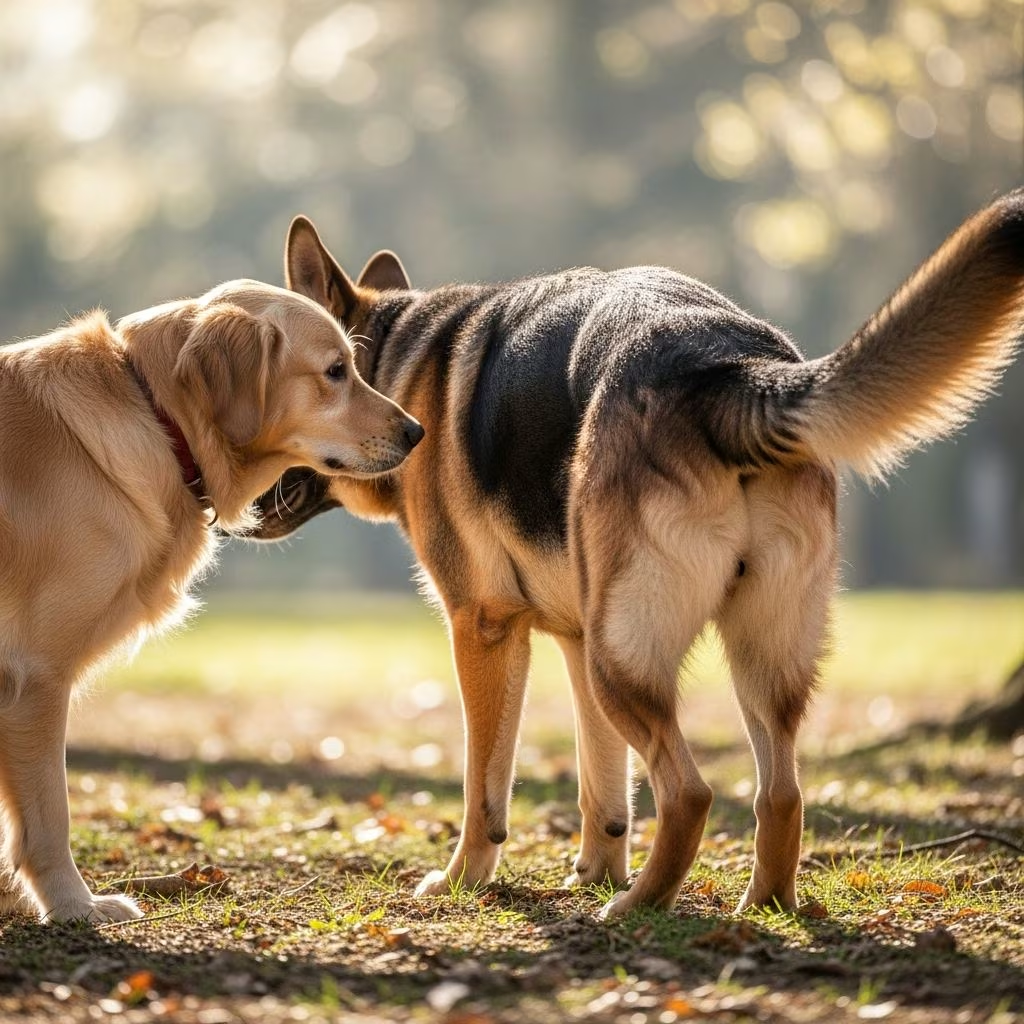
Dogs have a unique way of saying hello: a direct sniff to the rear. This behavior stems from their extraordinary sense of smell, allowing them to gather vital information about fellow canines through specialized scent glands near the anus and genitals. Far from random, this ritual serves as a cornerstone of canine social interaction, conveying details on identity, health, reproductive status, and social standing.
The Power of a Dog’s Nose in Social Encounters
Canines possess up to 300 million olfactory receptors, dwarfing the human count of six million, enabling them to detect pheromones and volatile compounds invisible to us. When dogs approach each other tail-first, they position these glands for optimal scent exchange. The anal sacs, located on either side of the anus, produce a musky fluid unique to each dog, acting like a personal signature.
This sniffing isn’t mere curiosity; it’s a rapid data exchange. A quick investigation can reveal whether the other dog is male or female, intact or altered, stressed or relaxed, dominant or submissive, and even recent dietary habits or illnesses. Research highlights how dogs with raised tail bases—often confident individuals—spend less time sniffing but dominate by overmarking scents, while cautious dogs linger longer.
How Scent Glands Fuel Canine Conversations
Two primary glandular systems drive this phenomenon: anal sacs and apocrine glands in the genital area. Anal sac secretions mix feces and unique lipids, creating a bespoke odor profile refreshed regularly. During a butt sniff, dogs press noses close, sometimes triggering gland expression for a fresh sample.
- Anal Sacs: Produce species-specific scents for individual recognition; females investigate unfamiliar scents more thoroughly.
- Genital Glands: Release pheromones signaling reproductive readiness, especially potent in females in estrus.
- Vomeronasal Organ: A secondary smell detector in the roof of the mouth analyzes these complex pheromones, bypassing regular nasal pathways.
Females tend to focus on both male and female scents, while males prioritize rivals’ marks. Intact high-status males frequently overmark—urinating atop others’ spots—to assert presence.
From Greeting to Hierarchy: Social Layers Revealed
Butt sniffing enforces pack dynamics. Dominant dogs may initiate or prolong the sniff, while subordinates turn away or lift tails submissively. This mirrors wild canid packs where scent checks maintain order without conflict.
Observations show confident dogs (high tail carriage) overmark aggressively, correlating with resource access like food toys. Submissive ones investigate cautiously, assessing risks before responding. In multi-dog homes, established pairs reduce mutual marking over time, signaling stable relationships.
| Behavior | Dominant Dogs | Submissive Dogs |
|---|---|---|
| Sniff Duration | Short, purposeful | Prolonged, investigative |
| Marking Style | Overmarking (direct on top) | Adjacent marking or avoidance |
| Tail Position | High base | Low base |
| Social Response | Initiates greetings | Defers to others |
This table illustrates key differences observed in canine interactions.
Marking: Leaving Your Scent Calling Card
Post-sniff, many dogs mark to reply. Males lift legs for precise sprays, females squat or subtly leg-lift. Overmarking communicates superiority, especially among intact males. Females rarely overmark directly but position nearby, gathering intel on cycles or newcomers.
Indoor marking often signals anxiety from changes like new pets, moves, or absences—not spite. Territorial urges amplify in multi-dog settings or with visitors. Puppies rarely mark before sexual maturity (around 1.5 years), confirming instinctual roots.
Health Signals in the Sniff Test
Beyond social cues, scents betray wellness. Illnesses alter urine pH or gland chemistry, alerting packmates. Stress pheromones spike during fear, prompting avoidance. Owners note increased sniffing around sick dogs, an early empathy indicator.
Anal gland issues, common in small breeds, cause scooting or excessive marking. Veterinary checks ensure infections don’t mimic behavioral problems.
When Sniffing Turns to Problem Marking
Outdoor butt greets amuse, but house soiling frustrates. Triggers include:
- New household members or rearrangements.
- Separation anxiety peaking post-owner departure.
- Unfamiliar yard visitors depositing scents.
Neutering cuts marking by 50-60% in males, less in females, but doesn’t eliminate instinct. Clean with enzymatic cleaners to erase odors; ammonia mimics urine.
Practical Strategies to Curb Unwanted Habits
Management blends prevention and redirection:
- Supervise Relentlessly: Leash indoors; interrupt pre-mark poses.
- Neuter Early: Reduces hormone-driven urges.
- Enrich Environment: Puzzles and walks satisfy sniffing needs.
- Pheromone Aids: Diffusers mimic calming maternal scents.
- Professional Help: Behaviorists decode anxiety roots.
Belly bands prevent indoor messes during training. Consistency yields results; punishment backfires, heightening stress.
Gender and Status Variations in Scent Rituals
Males compete via overmarking, females intel-gather. One study notes a “masculine” female obsessively marking and mounting, blurring lines—breed and personality influence. Intact males surge during nearby heats, housetraining falters temporarily.
New dogs spark marking duels: rounds of sniff-mark until one yields.
Evolutionary Roots of the Rear-End Rendezvous
Wolves inherited this from ancestors, where survival hinged on group cohesion. Modern dogs retain it despite domestication, adapting to urban packs.
FAQs on Canine Scent Shenanigans
Is butt sniffing always friendly?
Usually yes, but prolonged stares or stiff postures signal tension. Allow natural greetings on leashes.
Why does my dog sniff butts obsessively on walks?
Reading ‘pee mail’—gender, status, health from urine spots. It’s their newspaper.
Can spaying stop female marking?
It reduces but doesn’t erase; address anxiety too.
Should I stop my dog from sniffing others?
No—it’s essential socialization. Redirect excessive fixation.
What if marking persists indoors?
Vet rule-out first, then supervise, clean, and consult experts.
Enhancing Your Dog’s World Through Understanding
Embracing butt sniffs deepens bonds. Park visits become intel sessions; watch dynamics unfold. Train around it: ‘leave it’ for hygiene, ample outdoor time prevents frustration.
For multi-dog homes, stable hierarchies minimize conflicts. Rotate walks to expose scents without overload.
References
- Scent Marking in Dogs — Patricia McConnell. Accessed 2026. https://www.patriciamcconnell.com/theotherendoftheleash/scent-marking-in-dogs/
- Canine Scent Marking: What, Why, and Next Steps — Embrace Pet Insurance. Accessed 2026. https://www.embracepetinsurance.com/waterbowl/article/canine-scent-marking
- Dog Behavioral Problems: Marking — VCA Animal Hospitals. Accessed 2026. https://vcahospitals.com/know-your-pet/dog-behavior-problems-marking-behavior



