

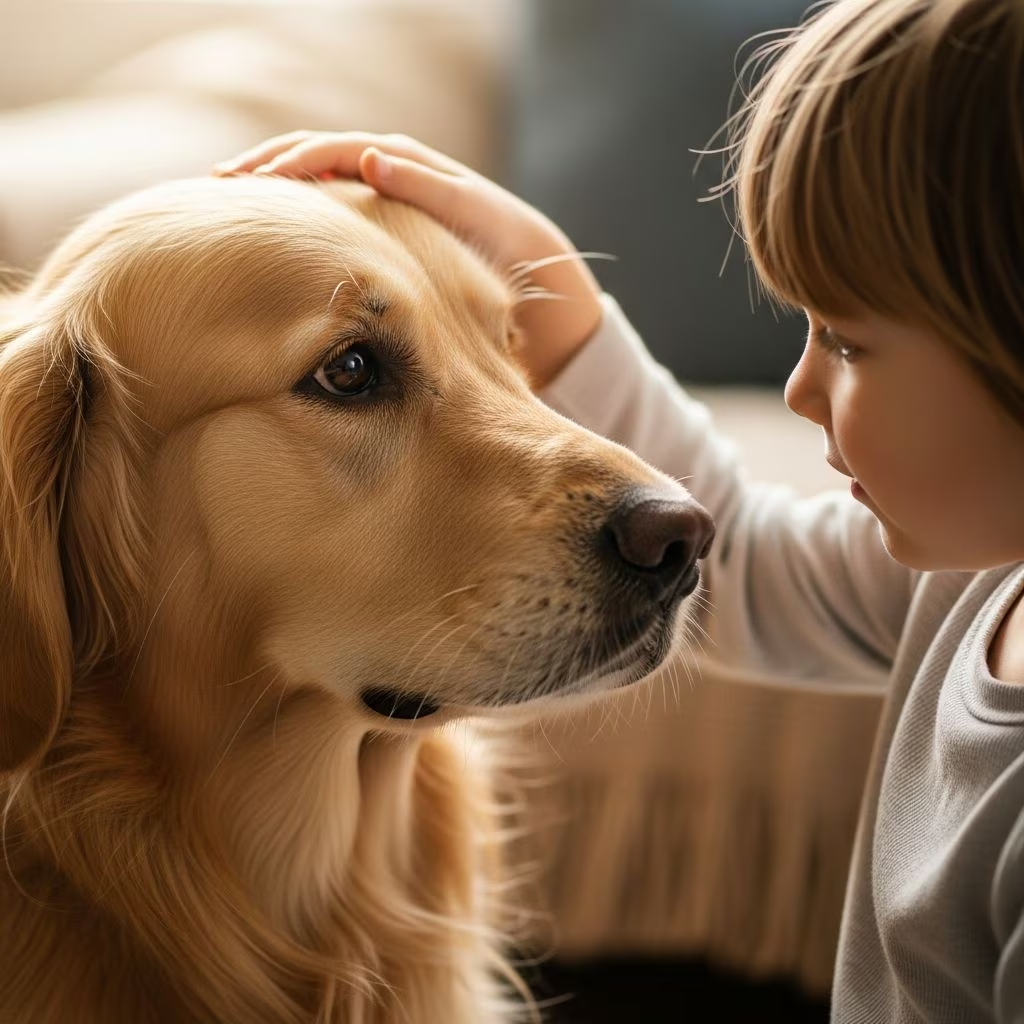
Dogs communicate love through a rich tapestry of behaviors rooted in biology and evolution. From following their owners everywhere to gentle leans against legs, these actions reveal deep emotional connections backed by neurochemical responses like oxytocin release.
The Biological Foundation of Dog-Human Bonds
At the heart of a dog’s affection lies **oxytocin**, often called the “love hormone.” This chemical surges in both dogs and humans during mutual gaze, petting, or proximity, fostering attachment similar to parent-child relationships. Research from institutions like the University of Tokyo demonstrates that eye contact between dogs and owners triggers oxytocin spikes, creating a feedback loop that strengthens emotional ties.
Swedish studies further confirm this mutual sensing: calm human behaviors elicit anti-stress responses in dogs, enhancing trust and social interaction. Functional MRI scans show dog brains lighting up in reward centers—the ventral caudate—when exposed to their owner’s scent or voice, equating humans to highly desirable rewards like food.
Key Behavioral Indicators of Canine Love
Dogs exhibit distinct signs of affection that blend instinct with learned bonds. Recognizing these helps owners reciprocate effectively.
- Shadowing and Following: Dogs trail owners due to pack mentality, viewing humans as leaders and sources of safety. This imprinting, common in puppies, signals unwavering loyalty.
- Physical Contact: Leaning, paw touching, or pressing against legs conveys comfort and reassurance, especially in stressful situations like thunderstorms.
- Tail Wags and Eye Contact: Gentle wags combined with soft gazes release dopamine, indicating positive emotions and joy upon reunion.
- Bringing Toys or Gifts: Offering items shows trust and a desire to share, mimicking pack resource-sharing behaviors.
- Relaxation in Presence: Sighing, yawning, or exposing bellies reflects complete security only granted to beloved family members.
Understanding the Emotional Depth
Dogs’ love mirrors human attachments but operates through canine cognition. They experience separation distress and seek proximity like infants to caregivers, providing consistent social support. Heart rate studies reveal synchronized drops upon reunion, with beats aligning as if “two hearts beating as one”.
Neuroimaging confirms dogs process owner scents in positive emotion centers, while praise activates the same brain regions as food rewards. This isn’t mere conditioning; it’s genuine emotional warmth blended with low-conflict companionship.
Building Trust with Rescue Dogs
Rescue dogs may start wary, but patience unlocks their affection. Key strategies include:
- Hand-feeding meals to associate you with positivity.
- Providing quiet retreat spaces for decompression.
- Using positive reinforcement without force.
- Letting the dog initiate contact to respect boundaries.
Consistent routines gradually build secure attachment, melting away fearful behaviors as needs for safety and engagement are met.
Daily Actions to Reciprocate Love
Love for dogs is active—meeting their hierarchy of needs from nutrition to play. Engage in force-free training, ensure exercise, and prioritize consent-based interactions to enhance well-being.
| Action | Benefit to Bond | Scientific Backing |
|---|---|---|
| Mutual Gazing Sessions | Boosts oxytocin | University of Tokyo study |
| Regular Playtime | Reduces stress | Swedish oxytocin research |
| Scent Familiarization | Activates reward centers | Gregory Burns MRI scans |
| Calm Petting | Syncs emotional states | Heart rate alignment studies |
Common Myths About Dog Emotions
Not all behaviors signal love. Excessive following might stem from boredom or anxiety, requiring more stimulation. Behaviors perceived as affection could be self-interested, like food-seeking, though science overwhelmingly supports genuine bonds. Dogs don’t “love like humans” cognitively but feel attachment via parallel pathways.
FAQs: Answering Your Dog Love Questions
Do dogs truly feel love like humans?
Yes, via oxytocin and dopamine pathways mimicking human bonds, though their understanding differs.
Why does my dog lean on me?
It seeks physical reassurance and views you as an emotional anchor.
How can I tell if my rescue dog loves me?
Watch for voluntary proximity, relaxed body language, and initiated play after building trust.
Does eye contact strengthen our bond?
Absolutely— it spikes oxytocin in both, per multiple studies.
What if my dog follows me excessively?
Balance with exercise and mental games to channel attachment healthily.
The Lasting Impact of Canine Companionship
Dogs elevate human empathy and emotional intelligence, offering non-judgmental support. Their bonds heal, as seen in grief patterns mirroring lost human relationships. By decoding and nurturing these signals, owners create lifelong partnerships grounded in mutual trust.
References
- Dog Love & Trust Signals: How to Read, Build and Deepen Your Bond — La Reflexion Pet Store. 2023. https://www.lareflecionpetstore.com/blogs/lifestyle/dog-love-trust-signals
- Do Our Dogs Really Love Us? — American Kennel Club. 2023-08-15. https://www.akc.org/expert-advice/lifestyle/can-our-dogs-really-love-us/
- Psychology of People Who LOVE Dogs — YouTube (TED-Ed style channel). 2023. https://www.youtube.com/watch?v=RVSKUOxD0II
- Here’s how to tell if your dog actually loves you, according to science — BBC Science Focus. 2024-01-10. https://www.sciencefocus.com/nature/does-your-dog-really-love-you
- Do Dogs Feel Love? How to Know If Your Dog Loves You — Holiday Barn. 2023-05-20. https://holidaybarn.com/blog/do-dogs-feel-love/
- The Science of Love—Love is an Action Word — Do No Harm Dog Training. 2023. https://www.donoharmdogtraining.com/blog/the-science-of-lovelove-is-an-action-word
- Does My Dog Love Me? 9 Ways To Tell — PetMD. 2024-02-14. https://www.petmd.com/dog/general-health/does-my-dog-love-me



