

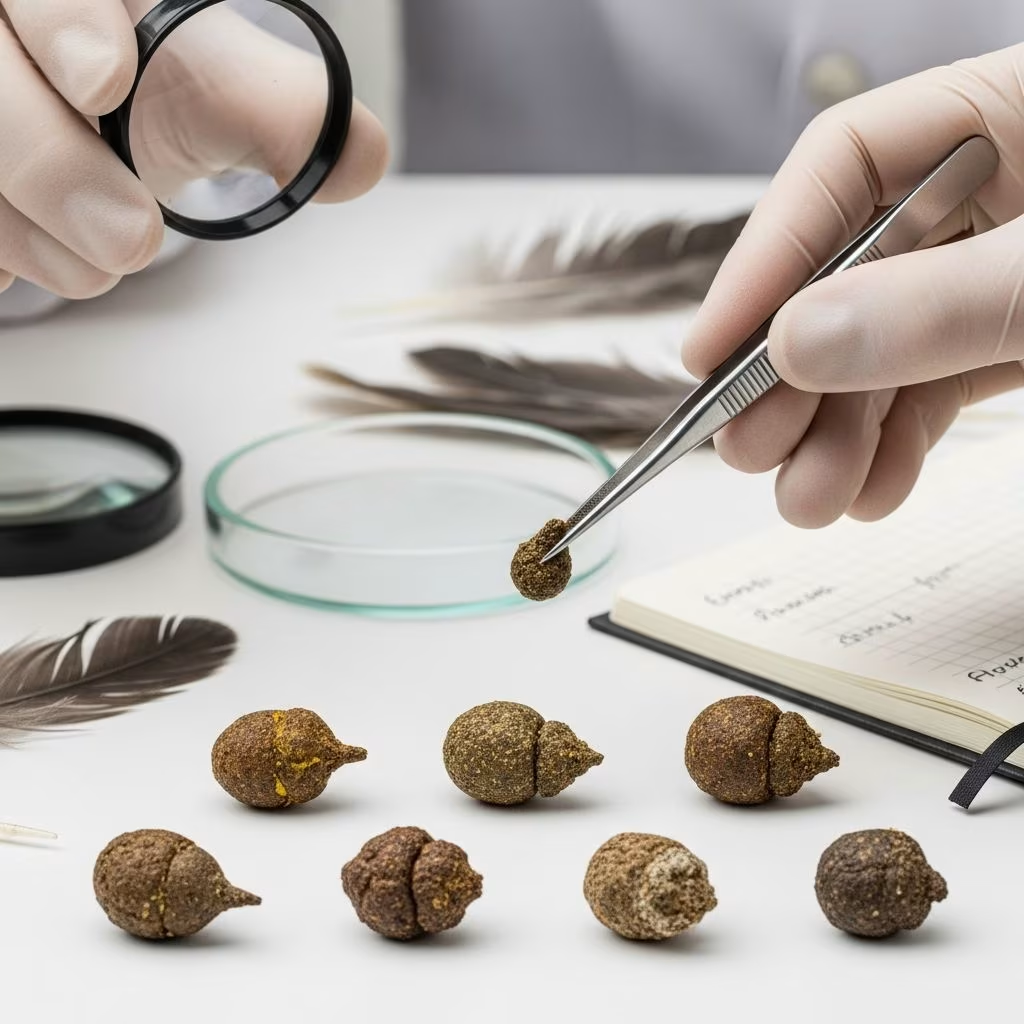
Bird owners often overlook one of the most telling indicators of their pet’s well-being: droppings. Unlike mammals, birds excrete a unique combination of feces, urates, and urine through a single opening called the cloaca. This trifecta provides a snapshot of digestive, urinary, and metabolic health. By observing daily changes in color, texture, volume, and frequency, caregivers can detect problems before overt symptoms like lethargy or feather fluffing appear.
Understanding the Anatomy Behind Bird Excretion
Birds possess a highly efficient digestive and excretory system adapted for flight. Food passes rapidly through the gastrointestinal tract, often in just hours, producing compact feces surrounded by semisolid urates (waste from protein metabolism) and clear liquid urine. The cloaca merges outputs from the intestines, kidneys, and reproductive tract. In healthy birds, this results in a distinct “cap” of white urates atop tubular brown-to-green feces, encircled by a clear urine moat. Disruptions in kidney function, bacterial balance, or diet alter this pattern dramatically, signaling issues from dehydration to toxicity.
Normal droppings vary slightly by species—pigeons may show more urine volume, while parrots produce firmer feces—but consistency within an individual bird is key. Daily cage liner checks reveal if eating has occurred (presence of fecal matter) or if anorexia looms, a critical risk given birds’ high metabolisms.
Characteristics of Healthy Bird Droppings
Recognizing normal patterns sets the baseline for vigilance. Here’s what to expect:
- Feces: Dark green to brown, sausage-shaped, firm yet not hard. Reflects diet; seeds yield brown, pellets green.
- Urates: Chalky white or cream, viscous paste encasing feces. Slight tint from pigmented foods is fine.
- Urine: Clear to pale yellow liquid, variable volume based on hydration and species.
- Overall: 5-10 droppings daily for small birds, more for larger ones. No foul odor beyond mild earthy scent.
A table summarizes ideal traits:
| Component | Normal Color | Normal Texture | Normal Volume |
|---|---|---|---|
| Feces | Green-brown | Firm, tubular | Central mass |
| Urates | White-cream | Pasty | Cap atop feces |
| Urine | Clear | Liquid | Ring around |
These traits confirm balanced nutrition, hydration, and organ function. Deviations warrant scrutiny.
Red Flags: Abnormal Colors in Droppings
Color shifts are the loudest alarms. Feces turning bright green or yellow often signals liver strain, bacterial infections like Chlamydia, or starvation. Black, tarry feces indicate digested blood from ulcers or toxins. Red streaks scream fresh bleeding, possibly from parasites or injury.
Urates betray systemic woes: Yellow-green hues point to liver dysfunction or Chlamydia psittaci, a zoonotic bacterium causing flu-like illness in humans too. Brown urates suggest lead poisoning; red ones heavy metals or hemorrhage. Urine coloring green-yellow flags liver issues, red-brown metallic toxicity.
- Bright red urine: Haemoglobinuria from red blood cell lysis, e.g., galvanized metal poisoning.
- Green bile-tinged urine: Liver or kidney impairment.
Prompt vet visits prevent escalation, as birds mask illness until critical.
Texture and Consistency Clues
Beyond color, feel matters. Loose, watery feces mimic diarrhea but often stem from excess urine soaking, not true gut upset. True diarrhea—foamy, slimy, undigested food—signals bacterial overgrowth (Clostridium), yeast, viruses, or parasites. Gas bubbles denote bowel dysbiosis.
Hard, dry pellets scream dehydration; increased white urate volume with liquid rings indicates kidney strain, causing stiff gait as sciatic nerves compress. Mucus or blood flecks demand immediate action, risking rapid dehydration.
Volume, Frequency, and Pattern Shifts
Healthy birds maintain steady output tied to intake. Sudden drops signal anorexia or blockages—emergency if abdomen swells. Spikes in volume, especially urates/urine, flag renal failure.
Track patterns:
- Normal: Consistent daily droppings with fecal core.
- Abnormal: No feces (starvation); excessive liquid (polyuria); irregular timing (stress/illness).
Cage hygiene amplifies detection—fresh liners daily prevent masking.
Common Health Issues Revealed by Droppings
Organ Dysfunction
Kidney woes yield voluminous white urates and urine, stumbling gait. Liver failure greens feces/urates/urine via biliverdin buildup.
Infections and Pathogens
Chlamydia psittaci yellows urates, risks human psittacosis (pneumonia 5-19 days post-exposure). Salmonella causes diarrhea. Yeast/bacteria foam droppings.
Toxicity and Diet Mishaps
Heavy metals (lead, zinc) redden urine/urates. Poor diet greens feces abnormally.
Parasites and Blockages
Worms bloody/slimy output; foreign bodies reduce frequency.
Daily Monitoring and Prevention Strategies
Integrate checks into routines:
- Line cages with plain paper; refresh morning/evening.
- Photograph baselines for comparison.
- Log changes with appetite, activity, weight.
- Balanced diet: pellets 70-80%, veggies/fruits 20%, seeds sparingly.
- Hydration: Fresh water daily; monitor intake.
- Vet annually; fecal tests for occult issues.
Quarantine new birds; disinfect thoroughly—droppings harbor zoonoses.
When to Seek Veterinary Help
Act fast on:
| Sign | Possible Cause | Urgency |
|---|---|---|
| No fecal matter >4hrs | Anorexia/blockage | Emergency |
| Blood/red pigments | Bleeding/toxicity | Immediate |
| Yellow-green urates | Liver/Chlamydia | 24hrs |
| Gas/foam | Infection | 48hrs |
Avian specialists use cytology, bloodwork, imaging to pinpoint causes. Early intervention saves lives.
Frequently Asked Questions (FAQs)
What do normal parrot droppings look like?
Firm green-brown feces, white urate cap, clear urine ring. Varies with diet but consistent daily.
Is bloody bird poop always serious?
Yes—indicates bleeding, infection, or toxins. Vet stat.
Can diet alone change dropping color?
Mildly (e.g., carrots orange-tint), but bright unnatural hues signal illness.
How often should my budgie poop?
Every 20-30 minutes when active; fewer overnight. Drops signal trouble.
Are bird droppings hazardous to humans?
Yes, risk psittacosis/Salmonella. Wash hands; avoid dust.
Empowering Bird Owners as Health Detectives
Mastering droppings analysis transforms guesswork into proactive care. Combine with behavior watches for holistic vigilance. Healthy excretions mirror thriving birds—vibrant, active, long-lived.
References
- Dropping Interpretation — Australian Pigeon Company. Accessed 2026. https://www.auspigeonco.com.au/dropping-interpretation.html
- Psittacosis and other diseases from work involving bird droppings — Health and Safety Executive (UK Gov). Accessed 2026. https://www.hse.gov.uk/construction/healthrisks/hazardous-substances/harmful-micro-organisms/other-diseases.htm
- Understanding Bird Health Through Droppings Analysis (Poopology) — Studocu (from Wildwood Veterinary Hospital). 2010. https://www.studocu.com/row/document/aljamaa%D8%A9-altkny%D8%A9-alost%D9%89/medical-labs/4q2010-newsletter-poopology/59822972
- What You Can Learn From “Reading the Paper” — Mickaboo Companion Bird Rescue. 2011. https://mickaboo.org/newsletter/jan11/poop.html
- Avian Poopology 101 — Wren Rescue of New Zealand. Accessed 2026. https://www.wrennz.org.nz/post/avian-poopology-101



