
Decoding Air Licking in Dogs
Uncover the hidden reasons behind your dog's air licking habit and learn how to address it effectively for better health and happiness.
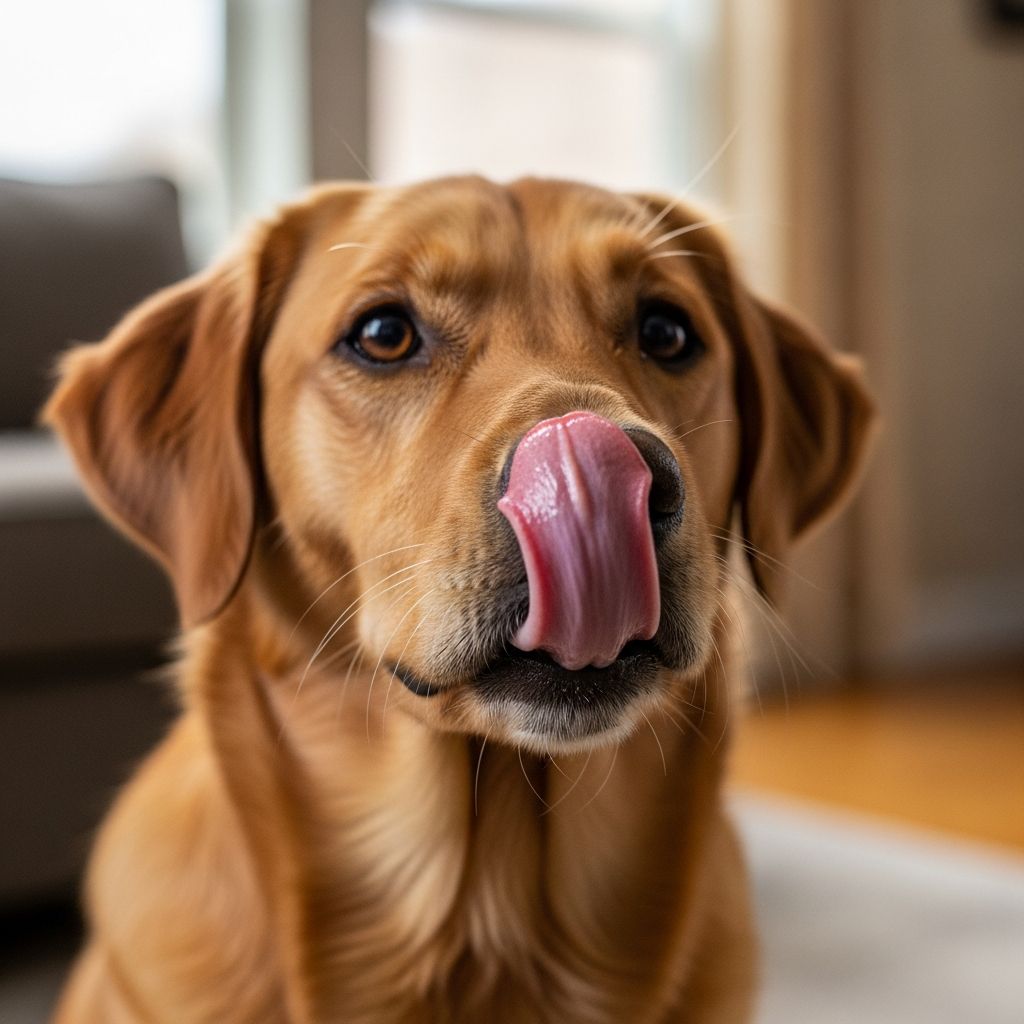
Dogs licking the air is a puzzling behavior that many pet owners notice, often accompanied by head tilting or repetitive tongue flicks. This action can stem from benign habits or signal underlying health concerns, making it essential to observe context and frequency.
Observing the Behavior: What to Watch For
When your dog starts licking the air, note the timing, duration, and any accompanying signs. Does it happen after meals, during stressful events, or randomly? Frequent episodes, especially with other symptoms like drooling or restlessness, warrant closer attention. Understanding patterns helps differentiate normal quirks from potential problems.
- Frequency: Occasional vs. constant licking.
- Triggers: Meals, solitude, noises, or nothing apparent.
- Body language: Relaxed posture or signs of discomfort like whining.
Common Medical Triggers Behind Air Licking
Health issues often drive this behavior as dogs attempt to alleviate discomfort. Gastrointestinal distress and oral problems top the list of culprits.
Gut Discomfort and Nausea Signals
Many dogs lick the air when feeling nauseous, a response to excess saliva from stomach upset. Conditions like acid reflux, gastritis, or dietary indiscretions prompt this as dogs try to manage queasiness. Accompanying signs include lip smacking, grass eating, vomiting, or reduced appetite.
Chronic issues such as inflammatory bowel disease or parasites can perpetuate the habit. If your dog shows diarrhea, bloating, or painful abdomen, consult a vet promptly for diagnostics like fecal tests or ultrasounds.
Oral and Dental Discomfort
Pain in the mouth frequently leads to air licking as dogs paw at invisible irritants or shift uncomfortable food. Tartar buildup, fractured teeth, gum inflammation, or stuck debris cause this reflexive motion. Look for bad breath, blood on toys, one-sided chewing, or reluctance to eat.
Regular dental checks prevent escalation; professional cleanings under anesthesia remove plaque effectively. Home care with brushing and dental chews supports oral health.
Allergies and Skin Irritations
Itchy sensations from allergies—food, environmental, or fleas—can manifest as air licking, especially if paws or face are affected. Dogs may redirect scratching urges to the air. Red skin, ear infections, or excessive grooming signal this issue.
Vets often recommend elimination diets or hypoallergenic foods to pinpoint triggers, alongside antihistamines or medicated shampoos.
Behavioral and Environmental Factors
Not all air licking indicates illness; stress and habits play significant roles, particularly in high-energy or sensitive dogs.
Stress and Anxiety Responses
Anxious dogs self-soothe by licking the air, akin to human nail-biting during tension. Triggers include separation, loud noises, or changes in routine. Pacing, whining, or destructive chewing often co-occur.
Counter this with routine stability, exercise, and calming aids like pheromone collars. Professional behaviorists offer tailored training for severe cases.
Compulsive Patterns and Boredom
Repetitive air licking can evolve into a compulsion from boredom or frustration, interfering with daily life. Tail chasing or shadow biting may accompany it. Enrichment toys, puzzle feeders, and increased play prevent this.
Age-Related and Neurological Concerns
Senior dogs or those with brain changes exhibit air licking more often, linked to cognitive or seizure activity.
Cognitive Decline in Older Dogs
Canine cognitive dysfunction, similar to dementia, causes disorientation and repetitive actions like air licking. Seniors may pace, stare blankly, or forget house training. Antioxidant-rich diets and mental games slow progression.
Seizure-Like Episodes
Partial seizures mimic air licking with head raising and tongue flicking, often lasting seconds to minutes. Post-episode confusion or stiffness follows. Video the event for your vet; anti-seizure meds manage it if confirmed via EEG.
Everyday and Nutritional Influences
Simple factors like hunger, thirst, or tasty scents provoke brief air licking.
- Hunger anticipation: Salivating to food smells.
- Thirst: Dry mouth prompts saliva stimulation.
- Sticky treats: Peanut butter lingers, causing licks.
Overheating exacerbates it as dogs pant and lick for cooling. Ensure constant fresh water access.
Step-by-Step Guide to Addressing Air Licking
Systematic evaluation ensures proper response.
- Monitor closely: Log episodes and symptoms for 48-72 hours.
- Basic checks: Inspect mouth, offer water, rule out recent diet changes.
- Vet visit: Essential for bloodwork, dental exam, or imaging if persistent.
- Behavioral tweaks: Increase exercise, reduce stressors.
- Follow-up: Track improvements post-treatment.
| Symptom Cluster | Possible Cause | Action Steps |
|---|---|---|
| Bad breath, drooling, food drop | Dental pain | Dental exam, cleaning |
| Vomiting, diarrhea, grass eating | GI upset | Diet change, meds |
| Anxiety signs, isolation triggers | Stress | Calming aids, training |
| Age 8+, confusion, pacing | Cognitive dysfunction | Senior diet, vet assessment |
Frequently Asked Questions (FAQs)
Is occasional air licking normal?
Yes, brief licks from excitement or smells are harmless, but daily or obsessive ones need evaluation.
When should I worry about my dog’s air licking?
Concern arises with added symptoms like appetite loss, lethargy, or neurological oddities—see a vet within 24 hours.
Can diet fix air licking?
Often yes, for GI or allergy-related cases; switch to bland or prescription foods under guidance.
How do I stop compulsive air licking?
Enrich environment, train alternatives, and address root anxiety with professional help if needed.
Does air licking indicate poisoning?
Rarely, but sudden onset with tremors or collapse signals emergency—rush to vet.
Preventive Strategies for Optimal Canine Health
Proactive care minimizes air licking risks. Annual vet exams catch dental and GI issues early. Balanced nutrition with probiotics supports digestion. Mental stimulation via agility or scent work curbs compulsions. Track weight to avoid obesity-linked reflux.
For multi-dog homes, note if behavior spreads—stress contagion occurs. Puppies outgrow exploratory licks, but early training prevents habits.
Integrate these habits: daily tooth brushing, hydration monitoring, and stress audits. Your vigilance ensures your dog’s comfort and longevity.
References
- Your Dog is Licking the Air? 7 Common Culprits — ToeGrips. 2023. https://toegrips.com/dog-is-licking-the-air/
- 9 Reasons Your Dog Is Licking the Air — Kinship. 2024. https://www.kinship.com/dog-behavior/why-does-my-dog-lick-the-air
- Why Is My Dog Licking Air? — Whole Dog Journal. 2023. https://www.whole-dog-journal.com/behavior/why-is-my-dog-licking-air/
- Understanding Your Dog: Why is My Dog Licking Air? — YEG Vet. 2024. https://yegvet.ca/understanding-your-dog-why-is-my-dog-licking-air/
- Why Does My Dog Lick the Air? — American Kennel Club. 2023-10-15. https://www.akc.org/expert-advice/lifestyle/why-does-my-dog-lick-the-air/
Similar Articles








Read full bio of medha deb




