

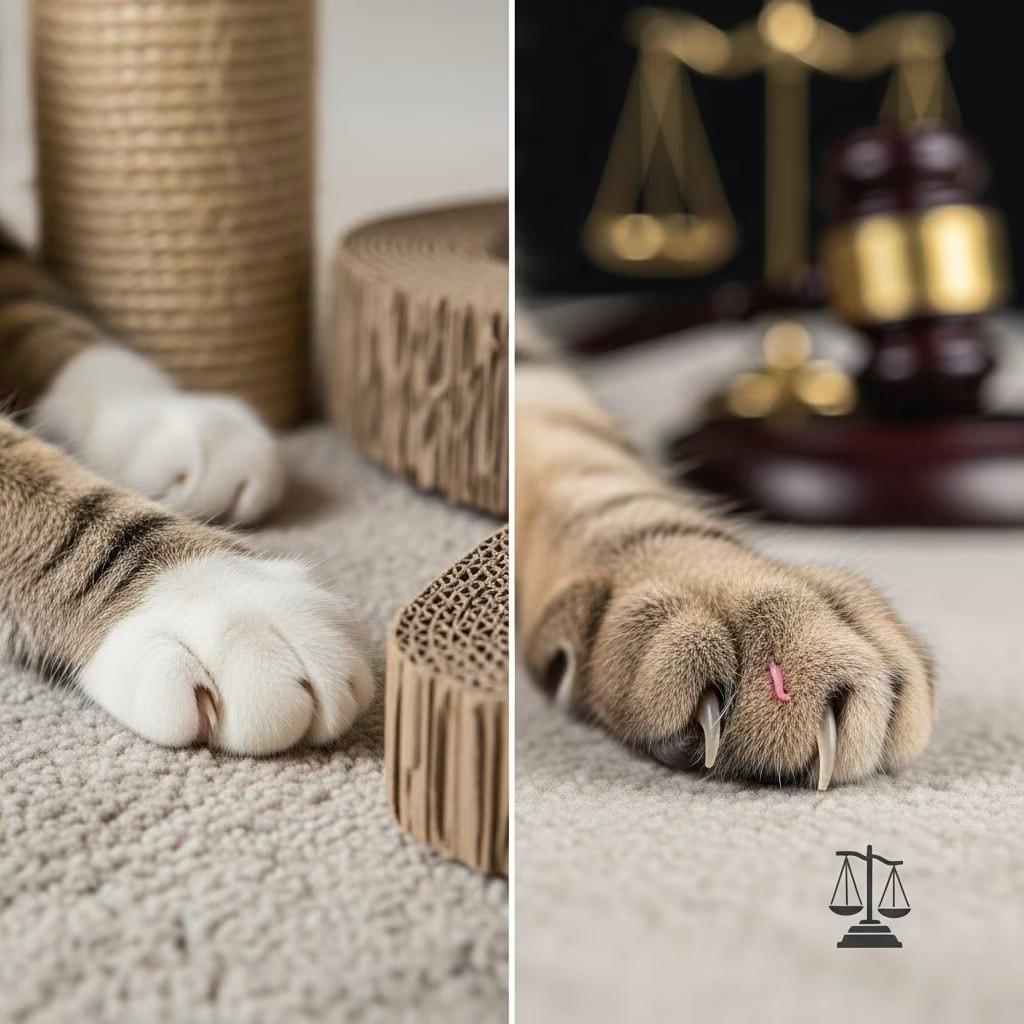
Declawing cats, medically known as onychectomy, is a surgical procedure that involves amputating the last bone of each toe to permanently remove claws. Far from a simple nail trim, this major surgery carries significant health risks, behavioral changes, and ethical concerns, leading many veterinary organizations and countries to oppose or ban it outright.
What is Declawing (Onychectomy)?
Declawing is not merely clipping a cat’s nails but a partial digital amputation. The procedure removes the distal phalanx—the last bone of each toe—using methods like scalpel, laser, or guillotine clippers. This ensures claws cannot regrow, fundamentally altering the cat’s anatomy.
Cats’ claws are integral to their natural behaviors: climbing, stretching, marking territory, and self-defense. The surgery severs tendons, nerves, and sensitive paw pads, often leading to lifelong complications. Performed under anesthesia, it requires pre-surgical exams, antibiotics, and post-op pain management, with costs ranging from $600 to $1,800 depending on location and complications.
Why Do People Declaw Cats?
Owners often seek declawing to address destructive scratching of furniture, rugs, or skin. It may protect vulnerable individuals, such as children, seniors, diabetics, or immunocompromised people from scratches that could lead to infections like cat scratch fever. In rare cases, veterinarians recommend it when scratching poses an unacceptable injury risk despite behavioral modifications, per the American Veterinary Medical Association (AVMA).
Proponents argue it prevents shelter euthanasia by allowing owners to keep destructive cats. However, these benefits primarily serve humans, not the cats, and are increasingly outweighed by evidence of harm.
Risks and Complications of Declawing Cats
Declawing poses immediate surgical risks and long-term health issues. Acute complications include hemorrhage—the most common—hemorrhage, infection, swelling, nerve trauma, and anesthesia reactions. Older cats face higher bleeding risks.
Long-term problems are more alarming. Retrospective studies show declawed cats are 3-7 times more likely to suffer chronic back pain, inappropriate urination, biting, and overgrooming compared to non-declawed cats. Retained bone fragments (P3 material) in up to 20% of cases cause ongoing pain, lameness, claw regrowth, or draining tracts.
- Chronic Pain and Gait Changes: Amputation can leave bone spurs irritating paw pads, causing persistent pain, limping, abnormal gait, and palmigrade stance (walking on wrists). This misalignment often leads to back pain.
- Behavioral Issues: Pain prompts litter box avoidance (OR 7.2 higher risk), aggression (OR 3.0), biting (OR 4.5), and barbering (excessive grooming, OR 3.06). Declawed cats may bite more as claws are lost for defense.
- Infection and Healing Problems: Wound infections, necrosis, and flexor tendon contracture occur, exacerbated if spay/neuter is combined.
- Phantom Pain and Lameness: Nerve damage or incomplete bone removal results in lifelong discomfort or inability to jump/climb.
These risks increase with the cat’s age and procedure method, though no technique eliminates them entirely. The American Animal Hospital Association (AAHA) and American Association of Feline Practitioners (AAFP) highlight that onychectomy is rarely medically necessary.
Pros and Cons of Declawing Cats
| Pros (Primarily for Owners) | Cons (Primarily for Cats) |
|---|---|
| Prevents furniture/skin damage | Chronic pain, back issues |
| Protects vulnerable people | Increased aggression, biting |
| May save cats from relinquishment | Litter box avoidance |
| Rare full recovery without issues | Infection, hemorrhage, lameness |
| Loss of natural defenses, indoor-only life |
While pros exist, cons dominate, with veterinary consensus favoring alternatives.
Is Declawing Legal?
Declawing is banned in many regions due to its cruelty. New York became the first U.S. state to outlaw it in 2019, followed by others like California, Maryland, and more. It’s illegal across Europe, the UK, Brazil, Australia, New Zealand, and Israel.
In permitted areas, the AVMA, ASPCA, and AAHA discourage elective declawing, recommending it only for medical necessity like tumors or infections. Best practices mandate multimodal pain control if performed.
Alternatives to Declawing: Humane Solutions
Effective, non-surgical options manage scratching without harm.
- Regular Nail Trims: Clip nails every 1-2 weeks using cat-specific clippers to blunt sharpness.
- Scratching Posts: Provide sisal, cardboard, or carpet posts in multiple locations. Place near problem areas and reward use.
- Nail Caps: Soft PVC covers like Soft Paws last 4-6 weeks, applied with glue.
- Deterrents: Sticky tape (Sticky Paws), citrus sprays, or aluminum foil on furniture.
- Environmental Enrichment: Increase play, vertical spaces, and pheromone diffusers to reduce stress scratching.
- Training: Redirect to posts with toys; use positive reinforcement.
These methods teach appropriate scratching, preserving cats’ welfare. Declawed cats must remain indoors, as they can’t defend or climb effectively.
Post-Declawing Care (If Performed)
If medically necessary, ensure strict recovery: e-collar, pain meds, small litter (avoid clumping), no jumping for weeks. Monitor for infection or lameness; indoor-only lifestyle.
Frequently Asked Questions (FAQs)
Is declawing just like a manicure?
No, it’s amputating each toe’s last bone, akin to removing a human fingertip.
Does declawing stop litter box use?
Yes, declawed cats are 7x more likely to avoid boxes due to paw pain.
Are there pain-free declawing methods?
No method eliminates pain or complications; laser may reduce immediate issues but not long-term risks.
Can declawed cats go outside?
No, they can’t defend, climb, or hunt properly.
What’s the best alternative to declawing?
Scratching posts, nail caps, and trims resolve 90%+ of issues humanely.
Conclusion: Choose Compassion Over Convenience
Veterinary evidence overwhelmingly shows declawing’s risks—chronic pain, behavioral shifts, and health woes—far exceed benefits. Opt for proven alternatives to keep your cat happy and whole. Consult your vet for tailored advice.
References
- Cat Declawing: Pros, Cons, and Safe Alternatives — Pets Best. 2023. https://www.petsbest.com/blog/cat-declawing-safer-alternatives
- Declawing — AAHA. 2024. https://www.aaha.org/declawing/
- Cat Declawing: Pros, Cons, and Safer Alternatives — Shallowford Vet. 2023. https://shallowfordvet.com/cat-declawing-pros-cons-and-safer-alternatives/
- Three Reasons Why You Shouldn’t Declaw Your Cat — St. Francisville Animal Hospital. 2021-10-01. https://stfrancisvilleanimalhospital.com/2021/10/three-reasons-why-you-shouldnt-declaw-your-cat/
- Should You Declaw Your Cat? — Compassion Vet Hospital. 2023. https://www.compassionvethospital.com/articles/general/556478-should-you-declaw-your-cat/
- AAFP Position Statement: Declawing — PMC/NIH. 2024. https://pmc.ncbi.nlm.nih.gov/articles/PMC11128892/
- Declawing of Domestic Cats — AVMA. 2019-07-23. https://www.avma.org/sites/default/files/resources/declawing_bgnd.pdf



