

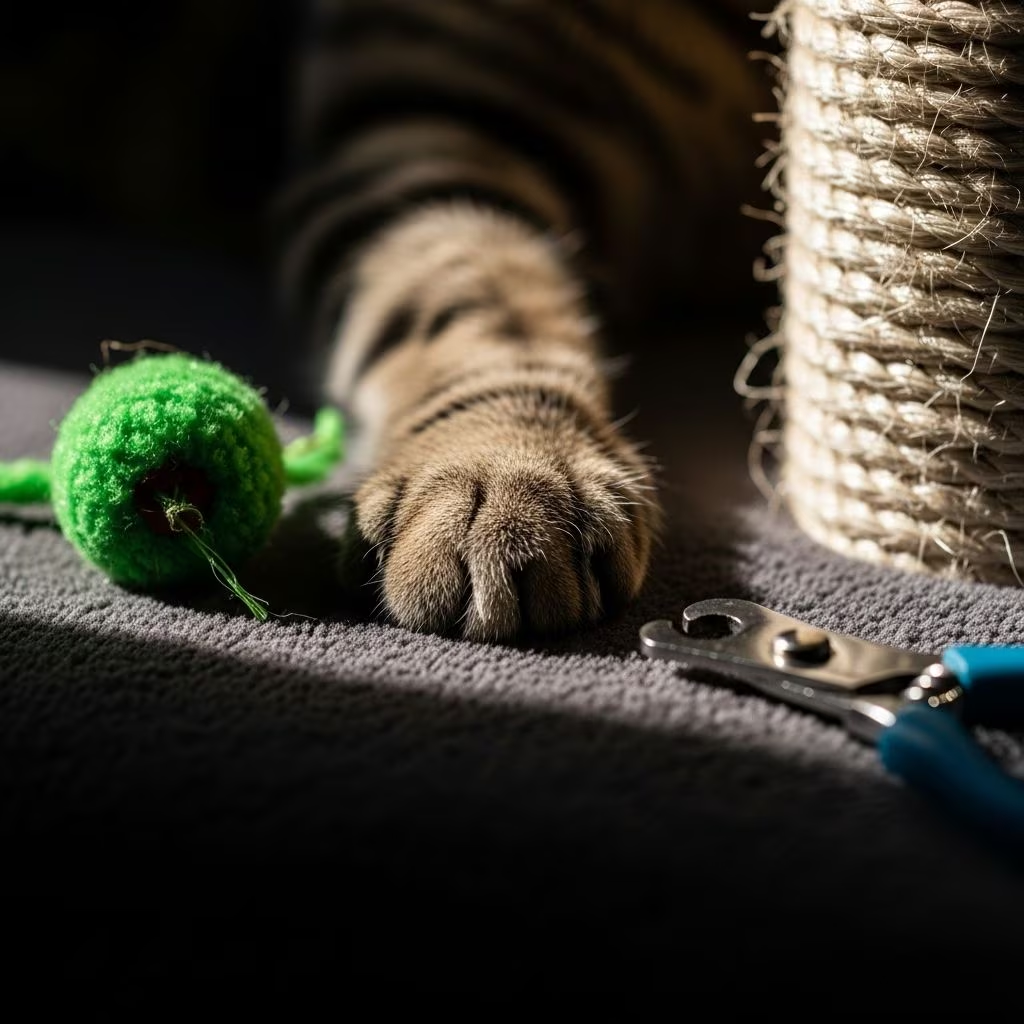
Declawing cats, known medically as onychectomy, is a surgical procedure that removes the last bone of each toe on a cat’s front paws, equivalent to amputating the tip of a human finger at the first knuckle. This practice, often sought to prevent furniture damage, carries severe physical and psychological consequences, as evidenced by veterinary organizations and peer-reviewed research.
The Surgical Reality of Declawing
Unlike simple nail trimming, declawing severs bones, tendons, and nerves, leading to immediate postoperative pain that can persist chronically. The American Association of Feline Practitioners (AAFP) opposes it as an elective procedure due to risks like acute pain, infection, nerve trauma, lameness, and chronic neuropathic pain.
During surgery, veterinarians use anesthetics and painkillers, but complications such as hemorrhage, anesthetic reactions, and infection remain common. Recovery involves sensitive paws, making normal activities painful and prolonging discomfort.
Immediate Postoperative Complications
- Infection and Hemorrhage: Open wounds from amputations are prone to bacterial entry, potentially causing abscesses or systemic issues.
- Nerve Damage: Surgical trauma can result in neuropathic pain, where nerves misfire signals to the brain long after healing.
- Dead Tissue and Bone Spurs: Poor healing may lead to necrosis or abnormal bone growth, exacerbating mobility problems.
These issues often require additional treatments, increasing costs and stress for both cat and owner.
Long-Term Physical Consequences
Beyond recovery, declawed cats face ongoing health challenges. A 2017 study in the Journal of Feline Medicine and Surgery analyzed 137 declawed cats, finding 63% had retained third phalanx (P3) fragments, heightening risks of back pain (odds ratio 2.66) and other issues.
| Complication | Odds Ratio (Declawed vs. Non-Declawed) | Source |
|---|---|---|
| Back Pain | 2.9 | |
| Lameness | Increased risk | |
| Joint Stiffness/Arthritis | Common in aging cats | |
| Neuropathic Pain | Persistent |
Altered gait from missing claws shifts weight distribution, straining shoulders, backs, and joints, leading to arthritis as cats age. Reluctance to jump or climb signals chronic discomfort.
Behavioral Changes After Declawing
Claws are vital for stretching, marking territory, and defense. Removing them disrupts natural behaviors, often resulting in aggression or anxiety. The same 2017 study reported declawed cats had 4.5 times higher odds of biting and 7.2 times higher odds of inappropriate elimination.
- Aggression and Biting: Without claws, cats rely on teeth, increasing bite risks (OR 4.5).
- Litter Box Avoidance: Painful paws make digging unbearable (OR 7.2 for periuria/perichezia).
- Overgrooming (Barbering): Stress manifests as hair-pulling (OR 3.06).
- Anxiety and Stress: Loss of stretching rituals weakens muscles and heightens fear.
Even optimal surgery doesn’t eliminate these risks; declawed cats still showed elevated biting (OR 3.0) and elimination issues (OR 4.0).
Veterinary and Health Organization Stances
Major bodies unanimously discourage declawing. The AAFP highlights inherent risks worsening with age. The American Animal Hospital Association (AAHA) notes 3-7 times higher rates of back pain, urination issues, biting, and overgrooming in declawed cats.
The Centers for Disease Control and Prevention (CDC) rejects declawing for immunocompromised owners, favoring nail trims and play avoidance instead. Joint CDC/NIH guidelines explicitly state declawing is not advised.
Many regions ban it: illegal in parts of the U.S., all of Europe, and elsewhere, reflecting ethical shifts.
Humane Alternatives to Declawing
Effective, non-invasive options protect homes without harming cats. Start with consistent training and environmental enrichment.
Regular Nail Maintenance
Trim nails every 10-14 days using cat-specific clippers, avoiding the quick (pink part with blood vessels). This dulls claws safely.
Scratching Solutions
- Provide varied posts: sisal, cardboard, vertical/horizontal options near favored spots.
- Use pheromone sprays to attract scratching.
- Protect furniture with double-sided tape or plastic covers.
Innovative Products
Nail caps (e.g., Soft Paws) glue over claws, lasting 4-6 weeks, blunting scratches painlessly.
Behavioral Strategies
| Method | Benefits | Implementation Tips |
|---|---|---|
| Positive Reinforcement | Encourages desired scratching | Reward with treats post-scratch on post |
| Deterrents | Discourages furniture use | Sticky pads, citrus sprays (cats dislike) |
| Enrichment Toys | Reduces stress scratching | Interactive wands, puzzle feeders |
| Calming Aids | Lowers anxiety | Feliway diffusers, vet-approved supplements |
Combining these yields 90%+ success rates, per veterinary reports.
Legal and Ethical Perspectives
Declawing is banned in New York City, California cities, Toronto, and EU countries, viewing it as mutilation. The Animal Legal Defense Fund equates it to permanent disability. Ethically, it violates “do no harm”, prioritizing convenience over welfare.
FAQs
Is declawing like nail trimming?
No, it’s amputation of toe bones, far more invasive.
Does declawing stop biting?
No, it often increases biting as cats lose their primary defense.
Can declawing help immunocompromised owners?
CDC says no; trim nails instead.
Are there safe alternatives for kittens?
Yes, early training with posts and caps works best.
What if my cat already has issues?
Consult a vet for behaviorists; declawing worsens problems.
Choosing Compassion Over Convenience
Adopting a declawed cat? Provide soft litter, ramps, and patience. Prevention is key: research breeds, train young. Humane methods preserve cat health and home harmony.
References
- Declawing Cats – Animal Legal Defense Fund — Animal Legal Defense Fund. 2023. https://aldf.org/issue/declawing-cats/
- Pain and adverse behavior in declawed cats — Journal of Feline Medicine and Surgery (PubMed). 2017-06. https://pubmed.ncbi.nlm.nih.gov/28534655/
- The Risks and Alternatives to Declawing Cats — PetMD. 2024. https://www.petmd.com/cat/general-health/risks-and-alternatives-to-declawing-cats
- Declawing Cats: Understanding the Risks and Long-Term Effects — Brainerd Animal Hospital. 2023. https://www.brainerdanimalhospitalpc.com/declawing-cats-understanding-the-risks-and-long-term-effects
- Declawing — American Animal Hospital Association (AAHA). 2023. https://www.aaha.org/declawing/
- Problems with Declawing — PAWS. 2024. https://www.paws.org/resources/problems-with-declawing/
- Cat Declawing: Effects and Alternatives — Best Friends Animal Society. 2023. https://bestfriends.org/pet-care-resources/cat-declawing-effects-and-alternatives



