

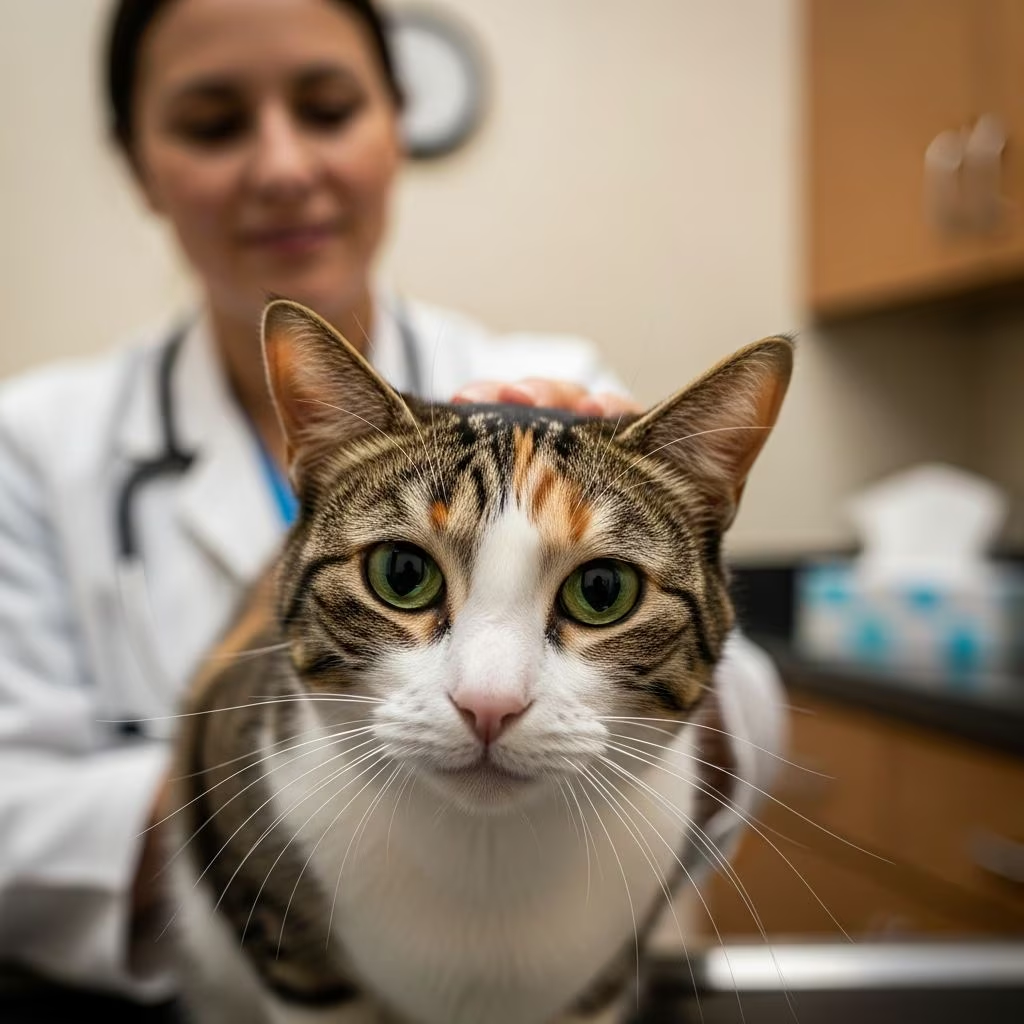
Feline Leukemia Virus (FeLV) poses significant challenges for cats and their owners, often leading to difficult end-of-life decisions. Understanding the disease’s progression helps pet parents prioritize comfort and dignity.
Understanding Feline Leukemia Virus Basics
FeLV is a retrovirus that targets a cat’s immune system, bone marrow, and lymphatic tissues. It spreads through close contact like grooming, shared litter boxes, or bite wounds, primarily among outdoor or multi-cat households. Adult cats may develop regressive infections where the virus is controlled, while kittens and young cats often face progressive infections with lifelong viremia.
Early detection via blood tests like ELISA or PCR is crucial, as many carriers show no initial symptoms. The virus suppresses immunity, making cats vulnerable to secondary issues like anemia, infections, and cancers.
Common Symptoms and Progression Stages
FeLV manifests variably, with signs emerging over weeks to years. Initial phases may be asymptomatic, but deterioration often follows.
- Early indicators: Lethargy, poor appetite, weight loss, fever, and enlarged lymph nodes.
- Immune-related problems: Recurrent respiratory infections, skin issues, chronic gingivitis, and diarrhea.
- Blood disorders: Pale gums from anemia, bruising, or clotting issues.
- Cancer risks: Lymphoma in the intestines, kidneys, or mediastinum; leukemia affecting bone marrow.
- Neurological effects: Seizures, behavior changes, or paralysis in advanced cases.
Progressive infections lead to faster decline, with median survival around 2.5 years post-diagnosis, though regressive cases can extend this significantly. Kittens fare worst, with 80% not surviving past three years.
Life Expectancy Insights from Research
Survival varies by age, infection type, and care quality. Studies show 85% of infected cats succumb within three years, but supportive management can prolong happy lives.
| Infection Type | Median Survival | Key Factors |
|---|---|---|
| Progressive (FeLV+) | 30 days to 2.5 years | Severe anemia, lymphoma dominant causes |
| Regressive (FeLV+R) | Often normal lifespan | No direct survival impact; monitor reactivation |
| Kittens/Young Cats | <1-3 years | FIP, lymphoma, bone marrow failure |
| Adults with Care | 3+ years | Regular vet checks, nutrition |
Adoption data reveals 90% of FeLV+ cats alive at 12 months post-adoption, averaging 3.32 years survival. Outcomes improve with vigilant owners.
Daily Management and Supportive Care Strategies
While no cure exists, proactive care enhances quality of life. Focus on prevention of secondary diseases and environmental optimization.
- Veterinary monitoring: Bi-annual bloodwork, dental cleanings, and parasite control.
- Nutrition: High-quality, immune-boosting diets; appetite stimulants if needed.
- Environment: Stress reduction via indoor living, FIV/FeLV-negative housemates, clean litter daily.
- Infection control: Prompt antibiotics for bacterial issues; antivirals rarely effective.
- Anemia management: Transfusions for severe cases; erythropoietin in select situations.
Chemotherapy for lymphoma can yield remissions, buying months to years. Vaccinations against other diseases (e.g., rabies, FVRCP) remain vital, though FeLV vaccine prevents new infections in negatives.
Recognizing Irreversible Decline
Quality of life assessments guide tough choices. Track metrics like eating, mobility, pain, and joy in daily activities.
- Persistent weight loss despite intervention.
- Non-responsive anemia requiring frequent transfusions.
- Advanced cancer with organ failure or metastases.
- Chronic pain evident in hiding, aggression, or vocalizing.
- Repeated, unresolved infections leading to hospitalization cycles.
When suffering outweighs good days, euthanasia prevents prolonged distress. Vets use scales like the HHHHHMM (Hurt, Hunger, Hydration, Hygiene, Happiness, Mobility, More good days than bad) for objectivity.
Humane Euthanasia Process Explained
Euthanasia involves sedatives followed by a barbiturate overdose, ensuring painless passing, often at home or clinic. Prepare by discussing with your vet; many offer 24/7 services.
Signs it’s time: Cat stops grooming, eliminates outside box, withdraws socially, or shows labored breathing. Families report relief knowing they ended suffering compassionately.
Prevention for FeLV-Free Cats
Vaccinate kittens at 8-12 weeks, boosters annually for at-risk cats. Test new cats before introduction; spay/neuter reduces fighting transmission.
Segregate positives in multi-cat homes to protect negatives. No human risk exists; FeLV is feline-specific.
Emotional Support for Pet Parents
Grieving a FeLV cat is profound. Join support groups, memorialize with photos or donations to rescues. Many describe FeLV+ bonds as uniquely rewarding despite brevity.
Frequently Asked Questions
Can FeLV be cured?
No, but regressive infections allow virus control, and care extends life.
Is FeLV contagious to dogs or humans?
No, strictly feline.
How often should I test my cat?
Once positive, retest confirms; negatives retest in 30-90 days post-exposure.
Can FeLV cats live with FIV cats?
Yes, but monitor for secondary infections; both immunocompromised.
What’s the cost of managing FeLV?
Varies; routine care $500-2000/year, emergencies higher.
References
- Feline Leukemia Virus | Cornell University College of Veterinary Medicine — Cornell Feline Health Center. 2024. https://www.vet.cornell.edu/departments/cornell-feline-health-center/health-information/feline-health-topics/feline-leukemia-virus
- Feline Leukemia Virus (FeLV): Signs, Prevention, Prognosis — Best Friends Animal Society. N/A. https://bestfriends.org/pet-care-resources/feline-leukemia-virus-felv-signs-prevention-prognosis
- Living with Feline Leukemia — MEOW Cat Rescue. N/A. https://meowcatrescue.org/resources/health-wellness/living-with-feline-leukemia/
- Survival analysis and clinical abnormalities in cats with progressive and regressive FeLV infection — PubMed (Biezus et al.). 2025. https://pubmed.ncbi.nlm.nih.gov/40591622/
- Feline Leukemia In Cats: Treatment, Palliative Care & When To Euthanize — Paws at Peace. N/A. https://pawsatpeace.com/feline-leukemia-virus/
- What to Know About Feline Leukemia Virus (FeLV) in Cats — Oakland Veterinary Referral Services. N/A. https://www.ovrs.com/blog/feline-leukemia/
- Feline Leukemia Virus in a Shelter Setting: Effectiveness and Outcome — Maddie’s Fund. N/A. https://www.maddiesfund.org/feline-leukemia-virus-in-a-shelter-setting.htm



