

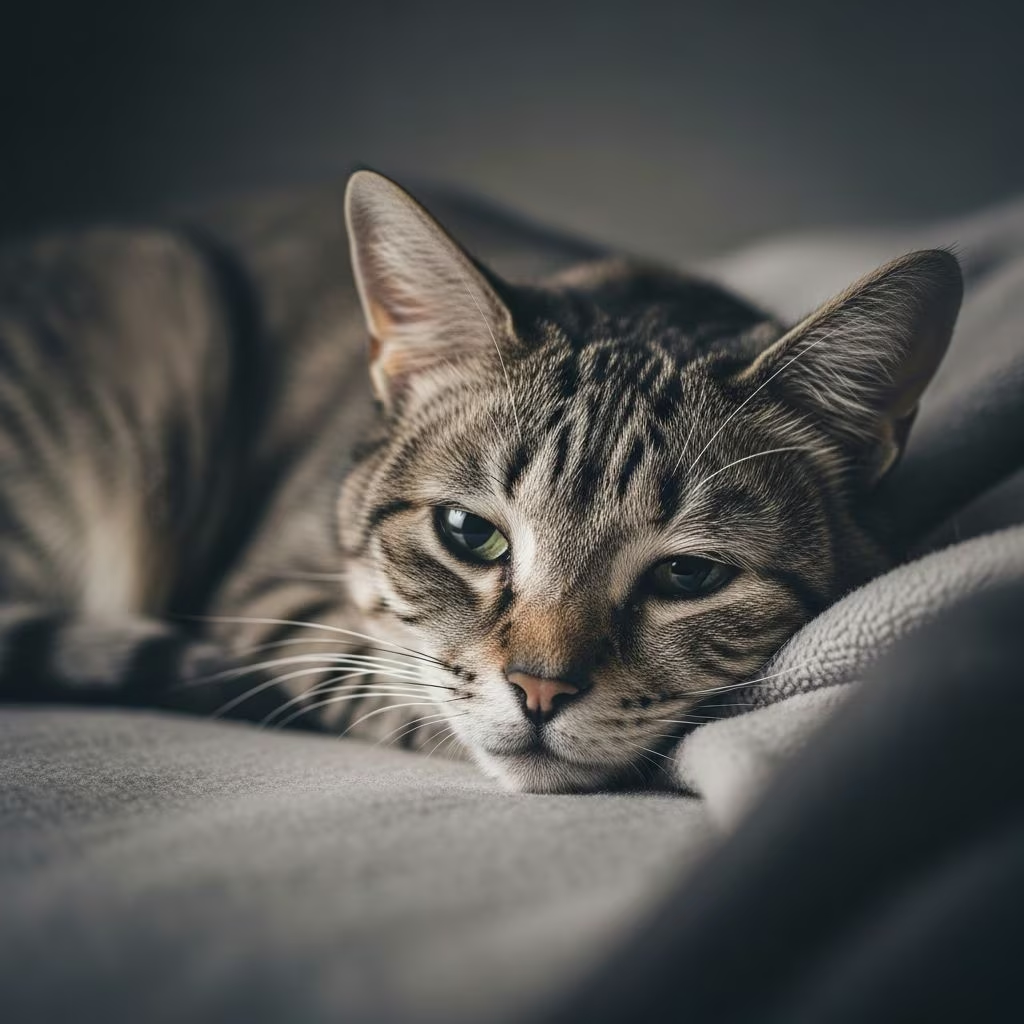
Hyperthyroidism in cats involves excessive thyroid hormone production, accelerating metabolism and leading to various health challenges. While many cats respond positively to interventions, advanced stages or co-existing conditions may prompt owners to evaluate euthanasia based on quality of life.
Understanding Feline Hyperthyroidism
This condition primarily affects senior cats, causing the thyroid glands to overproduce hormones like thyroxine. The result is a hyperactive metabolism that initially boosts appetite but eventually leads to muscle wasting, organ strain, and behavioral changes. Early detection through veterinary exams, including blood tests measuring thyroid levels, is crucial for management.
Symptoms evolve over time. Initial signs include increased hunger paired with weight loss, heightened thirst, and frequent urination. As the disease progresses, cats may exhibit restlessness, rapid heart rates, and gastrointestinal upset. Without control, it strains the heart, kidneys, and liver, complicating treatment.
Available Treatment Pathways
Several strategies exist to manage hyperthyroidism, each with benefits and limitations. Owners should discuss these with veterinarians to select the best fit based on their cat’s age, health, and lifestyle.
- Oral or Topical Medications: Drugs like methimazole inhibit hormone production. Administered daily, they require lifelong use but often stabilize symptoms effectively. Side effects such as vomiting or appetite loss can occur but are usually manageable.
- Prescription Diets: Low-iodine foods limit hormone synthesis. This non-invasive option suits cats resistant to pills, though strict adherence is necessary for success.
- Radioactive Iodine Therapy: A one-time injection targets overactive thyroid tissue. Cats stay in specialized facilities for several days post-treatment. It’s curative for most but costly and unavailable everywhere.
- Surgical Removal: Thyroidectomy eliminates affected glands but risks damaging nearby parathyroid glands, affecting calcium balance. Anesthesia poses higher risks for older cats.
Success rates vary; medication controls symptoms in many cases, while iodine therapy cures up to 95% of patients. Regular monitoring via bloodwork ensures adjustments as needed.
Recognizing Advanced Disease Indicators
Late-stage hyperthyroidism manifests through severe, persistent symptoms unresponsive to therapy. Key red flags include:
- Persistent weight loss despite voracious eating or, conversely, total appetite refusal.
- Mobility issues, such as difficulty rising, limping, or reluctance to jump.
- Poor grooming leading to matted fur and skin problems.
- Chronic vomiting, diarrhea, or dehydration from excessive drinking and urination.
- Respiratory distress, open-mouth breathing, or lethargy replacing former hyperactivity.
- Neurological signs like seizures, disorientation, or collapse.
These often overlap with comorbidities like chronic kidney disease or hypertension, common in geriatric cats. Veterinary assessments, including echocardiography and urinalysis, help differentiate and quantify progression.
Evaluating Your Cat’s Quality of Life
Quality-of-life assessments provide objective guidance. The HHHHHMM scale, developed by veterinary oncologist Dr. Alice Villalobos, rates seven categories on a 0-10 scale: Hurt (pain), Hunger (appetite), Hydration (drinking), Hygiene (grooming), Happiness (social interaction), Mobility, and More good days than bad.
A combined score below 35 suggests reevaluation. Track daily activities: Does your cat engage in play, seek affection, or rest comfortably? A dwindling list of joys signals decline.
| Category | Good Indicators (8-10) | Poor Indicators (0-3) |
|---|---|---|
| Hurt | No pain signs, normal activity | Vocalizing in distress, guarding body |
| Hunger | Eats enthusiastically | Refuses food for days |
| Hydration | Normal water intake | Dehydrated, sunken eyes |
| Hygiene | Clean, self-grooms | Matted fur, soiled |
| Happiness | Purring, interactive | Withdrawn, hiding |
| Mobility | Jumps, navigates easily | Struggles to stand |
| More Good Days | Mostly positive days | Predominantly bad days |
Consult your vet for personalized scoring. Financial burdens, treatment non-compliance, or concurrent illnesses like cancer amplify the need for this evaluation.
Concurrent Health Complications
Hyperthyroidism rarely occurs alone. It masks kidney dysfunction by increasing blood flow, unmasked post-treatment. Heart enlargement (hypertrophic cardiomyopathy) and high blood pressure affect up to 20% of cases. Managing these requires additional medications like ACE inhibitors or beta-blockers.
Post-treatment monitoring is vital; some cats develop hypothyroidism needing hormone supplements. Failure rates, such as persistent high thyroid levels after iodine therapy, occur in a minority, sometimes leading to euthanasia for unrelated progression.
The Euthanasia Decision-Making Process
This choice weighs emotional, ethical, and practical factors. Signs warranting consideration include unrelieved suffering, treatment failure despite efforts, or owner inability to sustain care. Vets provide compassionate counsel, often using scales like HHHHHMM.
Prepare by noting symptom frequency: over three vomiting episodes weekly or soaked litter multiple times daily signals urgency. Delaying risks crises like heart failure or seizures, complicating peaceful passage.
What to Expect During Euthanasia
Procedures prioritize comfort. A vet places an IV catheter, administers a sedative for relaxation, then a euthanasia solution causing rapid unconsciousness and heart stoppage—typically within seconds to a minute. Confirmation involves checking heartbeat and respiration.
Owners may hold their pet throughout. At-home services offer privacy. Post-procedure, cremation or burial options are available. Grief resources, including hotlines, aid coping.
FAQs
How long can a cat live with untreated hyperthyroidism?
Untreated, survival averages 1-3 years, shortened by complications like heart failure.
Is radioactive iodine always successful?
It cures 95% but requires facility isolation and monitoring for rare failures.
Can diet alone cure hyperthyroidism?
Iodine-restricted diets manage symptoms in compliant cats but aren’t curative.
What if my cat resists medication?
Transdermal gels or compounded flavors help; alternatives like iodine therapy may suit better.
How often should I monitor treated cats?
Blood tests every 3-6 months initially, then annually if stable.
Preventive Monitoring for Senior Cats
Annual senior wellness exams with thyroid screening catch issues early. Home tracking of weight, litter use, and behavior informs vets. Early intervention extends comfortable lifespans significantly.
References
- Treatment failure in hyperthyroid cats after radioiodine (I‐131) injection — Wiley Online Library/PMC. 2021-07-26. https://pmc.ncbi.nlm.nih.gov/articles/PMC8295673/
- When to Euthanize a Cat With Hyperthyroidism: Vet-Approved Advice — Catster. 2023-10-15. https://www.catster.com/cat-health-care/when-to-euthanize-a-cat-with-hyperthyroidism/
- When to Euthanize a Cat with Hyperthyroidism (Vet Answer) — Hepper. 2024-05-12. https://articles.hepper.com/when-to-euthanize-a-cat-with-hyperthyroidism-vet-answer/
- When to Put a Cat With Hyperthyroidism to Sleep — PetMD. 2023-11-08. https://www.petmd.com/cat/care/when-to-put-a-cat-with-hyperthyroidism-to-sleep
- Feline Hyperthyroidism and Treatment Options — Forest Vets. 2022-03-14. https://www.forestvets.com/pet-help-advice/cats/59-feline-hyperthyroidism-and-treatment-options



