

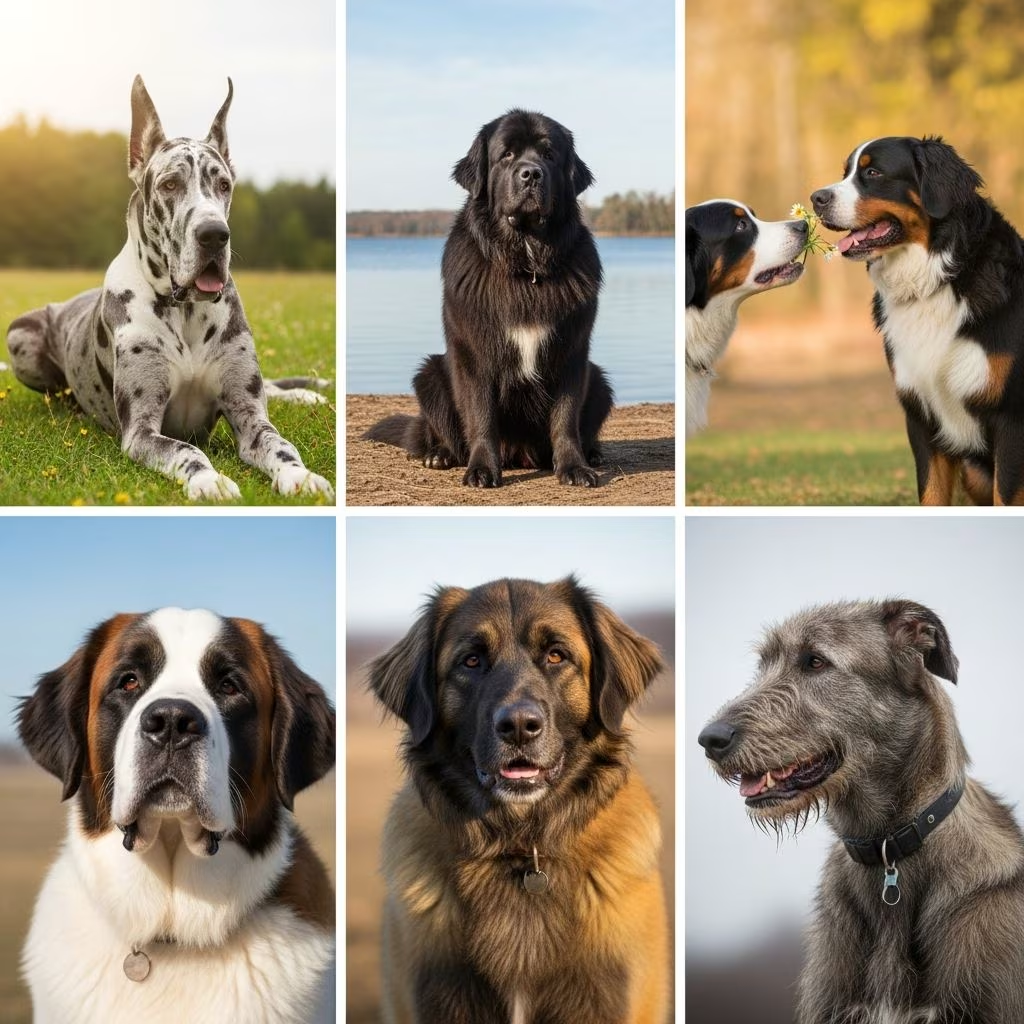
6 Deceptively Docile Dog Breeds: Gentle Giants and Hidden Sweethearts
When it comes to choosing a family dog, many people make assumptions based on appearance alone. Some dog breeds have developed reputations that don’t necessarily reflect their true temperament. While certain breeds may look intimidating or fierce, they often possess surprisingly gentle, calm, and affectionate personalities. Understanding the difference between a dog’s appearance and its actual behavior is crucial for potential owners seeking the right companion.
Breed characteristics play an important role in determining a dog’s natural tendencies and behavioral traits. However, it’s important to recognize that individual dogs within a breed can vary significantly based on socialization, training, and life experiences. That said, many breeds have consistent temperamental traits that make them far more docile than their appearance might suggest.
Understanding Breed-Based Behavior
Dogs are often grouped by their original purpose and function. The American Kennel Club (AKC) recognizes various breed groups, each with distinct behavioral characteristics. While herding and working dogs tend to be more business-like and protective, many other breeds maintain gentle and friendly dispositions regardless of their size or appearance.
Interestingly, research shows that a dog’s breed explains only about 9% of their overall behavior, with life experience being a more significant predictor. This means that while breed tendencies exist, individual socialization, training, and environment play crucial roles in shaping a dog’s personality. Nevertheless, certain breeds consistently demonstrate docile temperaments that make them excellent family companions despite their intimidating looks.
The Mastiff: A Gentle Giant
The Mastiff is perhaps one of the most striking examples of a deceptively docile breed. These massive dogs, often weighing over 200 pounds, have an imposing physical presence that can intimidate at first glance. However, beneath their substantial frame lies a surprisingly gentle and good-natured temperament.
Mastiffs are typically very docile and calm dogs that serve as excellent family companions. Despite their intimidating size and heavy-boned structure, they are known for their affectionate nature and loyalty to their families. These dogs are generally content to lounge around the house and are not hyperactive or aggressive by nature. Their protective instincts make them good watchdogs, but their fundamental nature is gentle rather than aggressive.
One important consideration with Mastiffs is their tendency to be nervous around new people. This makes early and ongoing socialization especially important. When properly socialized from puppyhood, Mastiffs become confident and friendly companions who can interact peacefully with strangers and other animals. Their calm demeanor and patient nature make them excellent choices for families with children, as long as supervision is maintained due to their sheer size.
The Pit Bull Terrier: Misunderstood and Loving
Pit Bull Terriers have suffered from significant breed discrimination and negative stereotyping over the years. Their muscular build and powerful appearance have led to unfair assumptions about their temperament. However, the reality is quite different from the stereotype.
Pit Bulls are typically lively, affectionate, and deeply bonded to their families. They were originally bred for companionship and loyalty, traits that remain strong in the breed today. These dogs are known for their eagerness to please and their affectionate nature toward people. Many Pit Bulls are excellent with children and make wonderful family pets when raised in a loving, structured environment.
The main behavioral consideration with Pit Bulls relates to their predatory nature around other animals rather than people. This is a breed characteristic stemming from their heritage, but it can be managed through proper socialization and training. When raised with other animals from puppyhood and supervised appropriately, many Pit Bulls coexist peacefully with other pets. Their gentle disposition toward humans often surprises those unfamiliar with the breed.
The Rhodesian Ridgeback: A Confident Protector
Rhodesian Ridgebacks are striking dogs known for their distinctive ridge of hair running down their backs and their athletic build. Originally bred as hunting and guard dogs, they possess a confident and dominant personality. However, this confidence translates into a calm, assured demeanor rather than aggression.
These dogs are extremely trainable and possess an excellent ability to work well with humans. Rhodesian Ridgebacks are remarkably intelligent and respond well to consistent, positive training methods. Their confident nature means they are not typically fearful or anxious, which contributes to their overall calm temperament. They form deep bonds with their families and are protective without being unnecessarily aggressive.
Rhodesian Ridgebacks can display dominant aggression if not properly trained and socialized, but this is a manageable trait with experienced ownership. They require clear leadership and consistent boundaries but reward their owners with loyalty and affection. Their combination of confidence, intelligence, and trainability makes them surprisingly docile for such a powerful-looking breed.
The Akita: Loyal and Protective
Akitas are large, powerful Japanese dogs with a dignified and aloof demeanor. Their strong appearance and protective instincts have led some to perceive them as aggressive, but Akitas are typically loyal, calm, and deeply devoted to their families. They are known for their strong sense of loyalty and their tendency to bond closely with their owners.
These dogs possess a reserved nature and may be cautious with strangers, but this reflects their role as protectors rather than inherent aggression. Akitas are generally calm around the house and are not hyperactive or destructive. They appreciate a quiet environment and moderate exercise, making them suitable for owners who prefer a more laid-back companion.
Early socialization is important for Akitas to ensure they are comfortable with different people and environments. Once properly socialized, they are gentle and affectionate with their families while maintaining their protective instincts. Their combination of strength, loyalty, and calm demeanor makes them deceptively docile despite their intimidating appearance.
The Boxer: Playful and Gentle
Boxers are muscular, athletic dogs with a distinctive appearance that can seem intimidating. However, these dogs are known for their playful, friendly nature and their love of human companionship. They are energetic and fun-loving, traits that contribute to their status as excellent family dogs.
Despite their strength and athletic ability, Boxers are typically affectionate and gentle with their families. They love to play and engage in activities with their owners, and they are particularly good with children. Their mouthy nature and playful behavior reflect their enthusiasm for life rather than aggression. Boxers are eager to please and respond well to training, making them relatively easy to manage despite their size and energy level.
The key to ensuring a Boxer remains docile and well-behaved is providing adequate exercise and mental stimulation. These dogs need regular physical activity and interactive play to burn off their abundant energy. When their exercise needs are met, Boxers settle into calm, affectionate companions who are happy to spend time with their families.
The Bull Terrier: Determined and Affectionate
Bull Terriers are compact, muscular dogs with distinctive egg-shaped heads. Their powerful build and determined expression often lead people to assume they are aggressive, but they are actually focused, affectionate, and bonded to their families. These dogs are lively and deeply devoted to their owners, displaying surprising gentleness in their interactions.
Bull Terriers were originally bred for companionship and loyalty, and these traits remain central to their personality. They are typically eager to please and respond well to training with a positive approach. Their determined nature means they are not easily dissuaded from their goals, but this determination is directed toward gaining their owner’s approval rather than causing harm.
Like some other powerful breeds, Bull Terriers can display predatory behavior toward other animals, but they are typically gentle and affectionate toward people. With proper training, socialization, and supervision, Bull Terriers make excellent family companions. Their affectionate nature often surprises those unfamiliar with the breed, revealing a dog that is far more gentle than its appearance suggests.
Common Characteristics of Deceptively Docile Breeds
Despite their different backgrounds and purposes, deceptively docile dog breeds share several common characteristics. These include:
Loyalty and Bonding: Most deceptively docile breeds form deep, lasting bonds with their families. This loyalty translates into a desire to please their owners and protect them, rather than displaying aggression.
Intelligence and Trainability: Many of these breeds are highly intelligent and eager to learn. Their intelligence allows them to understand commands and respond appropriately to training, making them easier to manage and control.
Calm Demeanor: Despite their size and strength, these breeds often maintain calm, measured temperaments. They are not hyperactive or prone to excessive barking or destructive behavior.
Affection Toward Humans: These breeds typically display affection toward people, including their families and, when properly socialized, strangers. They are not inherently aggressive toward humans.
Protective Instincts: Rather than being purely aggressive, these breeds often possess protective instincts that make them good watchdogs without being unnecessarily threatening.
Important Considerations for Ownership
While these breeds are deceptively docile, potential owners should understand the responsibilities that come with owning large or powerful dogs. Several key considerations apply:
Early Socialization: Introducing puppies to various people, environments, and animals at a young age helps ensure they develop confidence and appropriate social skills. This is particularly important for breeds that may be perceived as intimidating.
Consistent Training: While these breeds are often intelligent and eager to please, consistent training with positive reinforcement is essential. Clear boundaries and expectations help these dogs understand their role in the family.
Exercise Requirements: Many of these breeds have moderate to high exercise needs. Regular physical activity helps maintain their physical health and mental well-being, and often contributes to calmer behavior at home.
Responsible Ownership: Owners of large or powerful breeds have a responsibility to ensure their dogs are not in situations where they could accidentally injure someone due to their size or strength. This includes appropriate fencing, leashing, and supervision.
Individual Variation: Remember that individual dogs within a breed can vary significantly. While breed tendencies are real, each dog has its own unique personality shaped by genetics, early experiences, and training.
Frequently Asked Questions
Q: Are deceptively docile dog breeds safe for families with small children?
A: Many of these breeds are excellent with children when properly trained and socialized. However, due to their size and strength, supervision is always necessary. It’s important to teach children how to interact appropriately with large dogs.
Q: Why do these breeds have intimidating appearances if they are so gentle?
A: Many of these breeds were originally developed for protective or working purposes, which selected for larger size and muscular builds. These physical traits don’t necessarily reflect their temperament, which was also shaped by their role as companions and family members.
Q: Do deceptively docile breeds require special training?
A: While not inherently more difficult to train than other breeds, these dogs benefit from consistent, positive training. Their size and strength make training important for safety and management.
Q: Can these breeds live in apartments or smaller homes?
A: Many deceptively docile breeds, such as Mastiffs and Boxers, are surprisingly adaptable to apartment living due to their calm indoor temperament. However, they still need regular exercise and mental stimulation.
Q: How important is socialization for these breeds?
A: Socialization is crucial for all dog breeds, but it is particularly important for larger or powerful-looking breeds. Early exposure to different people, animals, and environments helps these dogs develop confidence and appropriate social skills.
Q: Are these breeds prone to specific health issues?
A: Different breeds have different health predispositions. It’s important to research the specific health concerns associated with any breed you’re considering and work with reputable breeders who health-test their dogs.
Q: What should I look for in a deceptively docile breed puppy?
A: Look for puppies that are curious, confident, and responsive. They should show interest in interacting with people and other puppies. Avoid puppies that seem overly fearful or aggressive, as these traits can persist into adulthood.
References
- Dog Breed Characteristics and Behavior — Merced County. https://www.countyofmerced.com/DocumentCenter/View/37/Dog-Breed-Characteristics-and-Behavior
- Dog Breed Characteristics & Behavior — Marin Humane Society. https://marinhumane.org/wp-content/uploads/2017/06/Dog-Breed-Characteristics-Behavior.pdf
- Dog – Breeds, Behavior, Training — Britannica. https://www.britannica.com/animal/dog/Breed-specific-behaviour
- 20 Dog Breeds & Their Personalities — Pet Insurance Review. https://www.petinsurancereview.com/blog/dog-personalities
- Does a Dog’s Breed Affect Their Behavior? — PetMD. https://www.petmd.com/dog/behavior/does-breed-affect-behavior



