

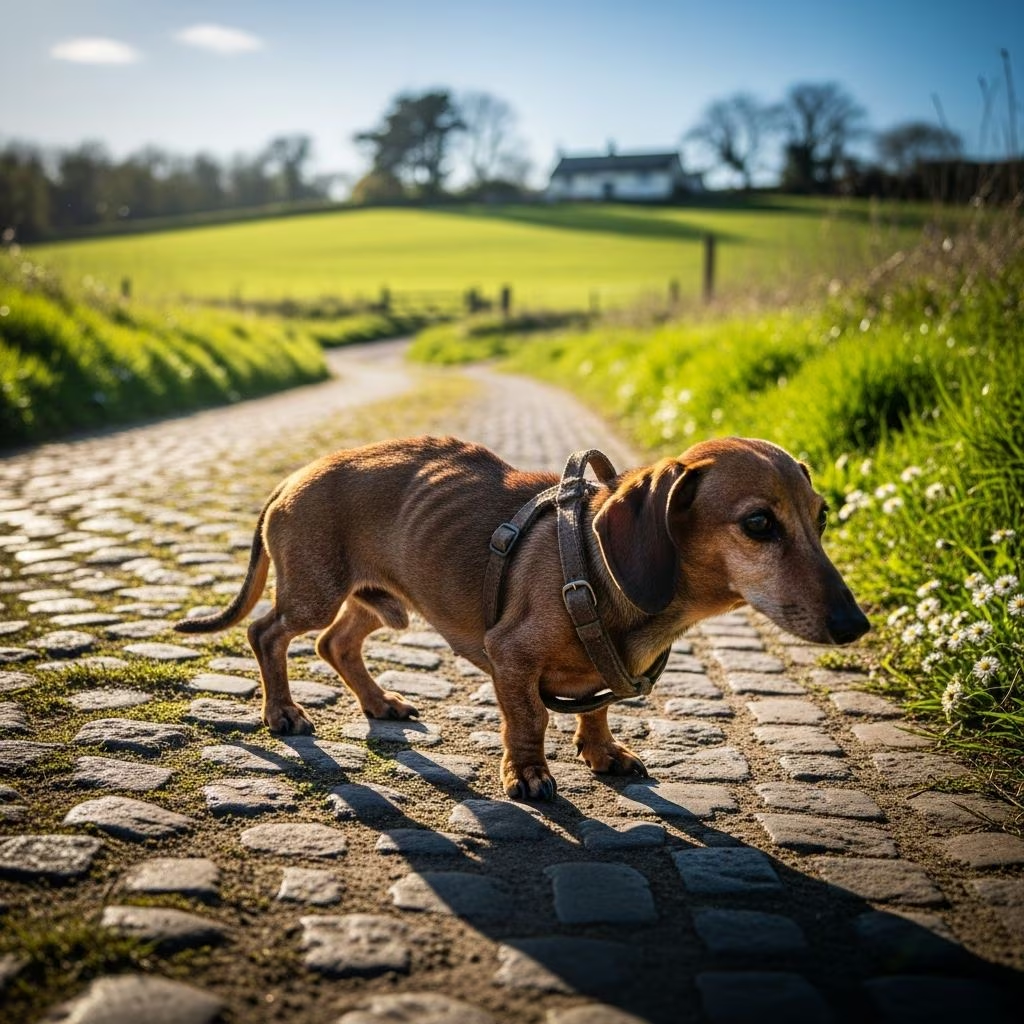
Debilitated Dachshund Walks Towards New Life: A Complete Recovery Journey
When a beloved dachshund faces mobility challenges due to intervertebral disc disease (IVDD) or spinal injury, the path forward can seem uncertain. However, modern veterinary medicine combined with dedicated rehabilitation programs has transformed the lives of countless debilitated dachshunds, enabling them to regain strength, mobility, and their zest for life. This comprehensive guide explores how rehabilitation, physical therapy, and innovative treatment approaches help dachshunds overcome paralysis and debilitation to walk towards a brighter future.
Understanding IVDD in Dachshunds: The Challenge
Intervertebral disc disease is a common condition affecting dachshunds due to their long backs and short legs, which place unique stress on the spine. When the spinal cord becomes compressed or damaged, dogs may experience pain, weakness, incoordination, or complete paralysis in their hind limbs. A debilitated dachshund facing these challenges requires immediate veterinary attention and a comprehensive recovery plan to maximize their chances of regaining mobility.
The Path to Recovery: Conservative vs. Surgical Treatment
The journey of a debilitated dachshund towards a new life often begins with determining the best treatment approach. Veterinarians evaluate the severity of the condition to recommend either conservative management or surgical intervention.
Conservative Treatment Approach
Conservative treatment forms what professionals call the “Holy Trinity” of IVDD management: crate rest, pharmaceutical management, and alternative modalities. This approach requires patience and dedication from owners, as it typically involves 6-8 weeks of strict crate rest combined with pain management and anti-inflammatory medications. During this period, the affected spinal cord is given time to heal naturally while inflammation is controlled and pain is managed effectively.
Surgical Intervention
In more severe cases where conservative treatment shows no improvement after 4 weeks, or when deterioration occurs, surgical intervention becomes necessary. Surgery aims to alleviate pressure on the spinal cord by removing the herniated disc material. Following surgery, debilitated dachshunds require 6-8 weeks of recovery with crate rest, pain management, and structured physical therapy.
The Power of Rehabilitation and Physical Therapy
Regardless of whether a dachshund undergoes surgery or receives conservative treatment, rehabilitation proves to be the cornerstone of recovery. For a debilitated dachshund, working with a certified canine rehabilitation therapist transforms the recovery process from passive healing into active, progressive improvement.
Why Canine Rehabilitation Matters
Rehabilitation services provide progressive treatment plans specifically designed to address strength, range of motion, pain, balance, and mobility. A qualified rehabilitation therapist creates tailored exercise programs that engage the neurological system, help restore lost mobility, strengthen supporting muscles, and reduce the chances of future injuries. As pet owners witness their debilitated dachshund gradually improve through structured rehabilitation, the emotional rewards are profound.
Professional Rehabilitation vs. Home Therapy
While some physical therapy can be performed at home under veterinary guidance, working with a qualified canine rehabilitation therapist or veterinary physiotherapist provides access to specialized equipment and professional expertise. Home exercises complement professional therapy but should always follow veterinary recommendations to ensure safety and effectiveness.
Effective Treatment Methods for Debilitated Dachshunds
Modern veterinary medicine offers multiple therapeutic approaches that can be used independently or in combination to support a debilitated dachshund’s recovery:
Hydrotherapy
Water-based therapy provides an excellent low-impact exercise environment. Swimming and underwater treadmill therapy allow debilitated dachshunds to build strength without placing excessive stress on healing joints and spines. The buoyancy of water supports the dog’s body while allowing controlled movement and muscle development.
Laser Therapy
Laser therapy reduces IVDD pain naturally and helps speed up healing time. Dogs that are unable to stand or walk can regain strength through this non-invasive treatment, supporting their progression towards normal activities.
Acupuncture
This traditional modality supports pain management and promotes healing as part of the comprehensive treatment protocol for debilitated dachshunds. Acupuncture works alongside other therapies to optimize recovery outcomes.
Stem Cell Therapy
Emerging research demonstrates promising results with stem cell treatment for dogs with IVDD. This innovative therapy shows potential for dogs whose conventional treatment options may be limited, offering hope for severely debilitated dachshunds.
Physical Therapy Exercises for IVDD Recovery
Physical therapy exercises form the foundation of active recovery for debilitated dachshunds. These exercises should only be performed as recommended by your veterinarian, as each dog’s recovery needs differ based on their condition severity and progress.
Core Strengthening Exercises
Exercises designed to strengthen the muscles supporting the spine are crucial for preventing future injury and supporting current recovery. These may include:
Paws Up Exercise: This movement strengthens the core and hindquarters by placing the dachshund’s front feet on an unstable surface like a balance disk while hind legs remain on the ground. The unstable surface engages stabilizer muscles essential for spinal support.
Paws Up to Rear Paw Target: This advanced exercise combines front paw placement on an unstable surface with rear paw positioning, strengthening core, rear, and chest muscles simultaneously.
Balance and Coordination Development
The three-legged stand exercise strengthens a dachshund’s core and improves balance by having them support their weight on three legs while the fourth is gently lifted. This exercise progressively challenges the neurological system as recovery progresses.
Low-Impact Activities
Regular, controlled exercise is important for debilitated dachshunds, but high-impact activities like jumping or running must be avoided during recovery. Instead, gentle play, short walks, and swimming provide excellent low-impact alternatives that promote healing without risking re-injury.
Supporting Devices and Mobility Aids
For debilitated dachshunds requiring additional support, several devices can facilitate recovery and independence:
Canine Orthopedic Back Braces
Veterinarian-recommended back braces help debilitated dachshunds regain strength and sense of independence while supporting spinal stability during the healing process.
Dachshund Wheelchairs
Specially designed dog wheelchairs provide excellent support for dogs experiencing weakness or paralysis. These devices allow debilitated dachshunds to maintain mobility and independence while their legs regain strength through rehabilitation. Veterinarians can help customize or source appropriate wheelchairs for individual dogs.
Sling Walking Assistance
Supportive slings can assist debilitated dachshunds during the early recovery phase, helping distribute their weight while allowing them to practice weight-bearing and movement as strength returns.
The Role of Weight Management and Lifestyle
Beyond specific therapeutic interventions, weight management significantly impacts a debilitated dachshund’s recovery trajectory. Excess weight strains the spine and slows recovery. A balanced diet, proper nutrition, and controlled exercise as approved by your veterinarian support optimal healing conditions.
Environmental modifications also matter. Creating a comfortable, accessible recovery space with appropriate bedding, easy access to food and water, and minimal obstacles helps debilitated dachshunds focus energy on healing rather than navigating challenging environments.
Timeline and Expectations for Recovery
The recovery timeline for a debilitated dachshund varies based on treatment approach and condition severity. Conservative treatment typically requires a minimum of two months of dedicated effort. However, the important reality is that many dachshunds do walk again with proper rehabilitation, especially when treatment begins early.
With conservative treatment, there remains a 50% chance that IVDD may recur at some point in the future, making ongoing prevention and monitoring essential. Surgical cases generally follow a 6-8 week recovery protocol with structured rehabilitation.
The Importance of Professional Guidance and Support
A debilitated dachshund’s journey towards a new life succeeds best with professional support. Your veterinary team should include your primary veterinarian, potentially a veterinary neurologist for complex cases, and a certified canine rehabilitation therapist. This collaborative approach ensures comprehensive, evidence-based care tailored to your individual dog’s needs and progression.
Regular veterinary check-ups during recovery monitor progress and allow treatment modifications as needed. If conservative treatment shows no improvement after 4 weeks, your veterinarian may recommend surgical consultation. Patience, consistency, and following professional recommendations are vital for optimal outcomes.
Frequently Asked Questions
Q: How long does IVDD recovery typically take?
A: Conservative treatment recovery typically requires a minimum of 6-8 weeks with strict crate rest and medication. Surgical recovery also follows a similar timeline with post-operative rehabilitation. Individual timelines vary based on condition severity and individual response to treatment.
Q: Can debilitated dachshunds really walk again after paralysis?
A: Yes, many dachshunds do walk again with proper rehabilitation and treatment, especially when intervention begins early. Success depends on condition severity, treatment approach, rehabilitation consistency, and individual healing capacity.
Q: Is surgery necessary for all debilitated dachshunds with IVDD?
A: No, conservative treatment (crate rest, medication, and rehabilitation) may be successful for mild to moderate cases. Surgery is typically recommended if conservative treatment shows no improvement after 4 weeks or if deterioration occurs.
Q: What is the most important aspect of IVDD recovery?
A: Professional rehabilitation and physical therapy are paramount to recovery success. The saying “if you don’t use it you lose it” emphasizes that structured, progressive rehabilitation directly impacts whether debilitated dachshunds regain function.
Q: Can my debilitated dachshund exercise during recovery?
A: Yes, but only controlled, low-impact exercise as recommended by your veterinarian. Swimming, short walks, and gentle play are appropriate. High-impact activities like jumping or running must be avoided to prevent re-injury.
Q: What role does weight management play in recovery?
A: Weight management is crucial, as excess weight strains the spine and impairs recovery. A balanced diet and appropriate exercise support optimal healing conditions for debilitated dachshunds.
Q: Are there alternative therapies available for IVDD?
A: Yes, several alternative modalities support recovery including hydrotherapy, laser therapy, acupuncture, and emerging stem cell therapy. These often complement conventional treatment for comprehensive care.
References
- Successful Therapy For Dachshunds With IVDD — Dachshund Station. 2024. https://www.dachshundstation.com/dachshund-ivdd-therapy/
- Treatment Guide for IVDD in Dachshunds — Under the Weather Pet. 2024. https://www.undertheweatherpet.com/blogs/under-the-weather/treatment-guide-for-ivdd-in-dachshunds
- IVDD in Dachshunds: Causes, Symptoms & Treatment — Austin Canine Rehabilitation. 2024. https://www.austincaninerehab.com/blog/ivdd-dachshunds
- Dachshund Back Health 2025: 7 Vet-Approved Prevention & Care Tips — Ask a Vet. 2025-01-15. https://askavet.com/blogs/pet-health-safety/dachshund-back-health-2025-7-vet-approved-prevention-care-tips
- Physical Therapy Exercises for Dogs with IVDD — You Did What With Your Weiner. 2024. https://youdidwhatwithyourweiner.com/ivdd-recovery-exercises-for-strengthening-balance-and-body-awareness/
- Rehab 101: Conservative & Surgical Pathways — Dachshund IVDD Support Australia (DISA). 2024. https://ivdd.org.au/owner-support/rehab-101/
- Conservative Treatment – Dachshund IVDD UK — Dachshund IVDD UK. 2024. https://www.dachshund-ivdd.uk/symptoms-treatment/conservative-treatment/



