

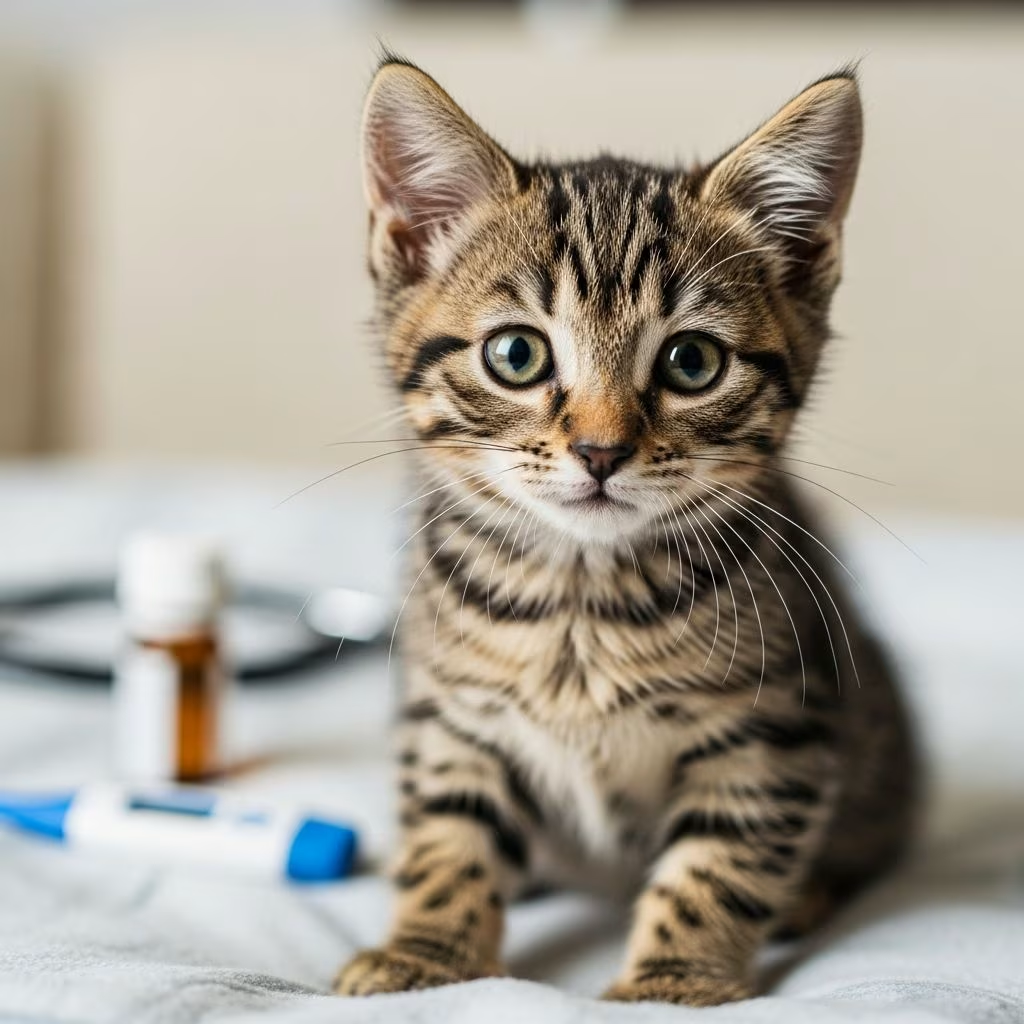
Understanding Diarrhea in Young Cats
Diarrhea is a common concern among cat owners, particularly those with young felines. Young cats develop diarrhea for many of the same reasons that kittens do, with dietary indiscretion, changes in food, and parasites being the most frequent culprits. Unlike older cats that may struggle with age-related digestive issues, young cats face unique digestive challenges as their bodies develop and adapt to their environment. Understanding the underlying causes of diarrhea in your young cat is the first step toward effective treatment and prevention.
Diarrhea in young cats typically manifests as unformed or loose stools with increased frequency and volume, resulting from faster movement of fecal material through the intestine. While occasional loose stools may not be cause for immediate concern, persistent diarrhea warrants veterinary attention, particularly if your cat shows additional symptoms like lethargy, vomiting, or loss of appetite.
Common Causes of Diarrhea in Young Cats
Dietary Indiscretion and Foreign Objects
In my experience, the most common reason for a young cat to develop diarrhea is because they ate something inappropriate. Young cats are naturally inquisitive creatures, and their curiosity often gets them into trouble. That rubber band on the floor might look tasty, or the leaves of a houseplant might seem like an interesting snack. Ingesting foreign materials, whether intentional or accidental, can cause significant gastrointestinal upset or potentially more serious complications.
Young cats frequently consume items they shouldn’t, including string, grass, plants, and other non-food objects. This dietary indiscretion is particularly common in playful, energetic kittens and young cats still learning what is and isn’t appropriate to eat.
Rapid or Improper Diet Changes
Even when a diet change is intentional and meant to be beneficial, transitioning too quickly from one food to another can trigger diarrhea. Cats may become ill or stop eating when their diet changes too abruptly because a new food alters the intestinal environment, which may lead to diarrhea, vomiting, and a refusal to eat. The American feline digestive system is sensitive to sudden nutritional changes, requiring a gradual transition period.
Veterinary professionals recommend gradually weaning your cat off their current food and onto the new one over a period of 7 to 10 days, gradually increasing the amount of new food while reducing the amount of old food each day. This gradual approach allows your cat’s digestive system time to adapt without distress.
Parasites and Infections
Parasites can definitely irritate your cat’s gastrointestinal system, causing diarrhea involving the small and/or large bowels. Significant numbers of parasites that cause diarrhea are more common in younger kittens. Young cats are particularly susceptible to parasitic infections because their immune systems are still developing. Common parasites affecting young cats include roundworms, hookworms, and Giardia.
Beyond parasites, viral or bacterial infections can also cause diarrhea and occur more frequently in younger cats. Infectious agents like feline panleukopenia, feline leukemia, and bacterial infections present serious threats to young feline digestive health. These infections require prompt veterinary identification and treatment.
Other Underlying Health Conditions
While less common in young cats than in seniors, several serious health conditions can cause diarrhea. These include overactive thyroid (hyperthyroidism), food allergies, renal failure, cancer, and poisoning from houseplants, rat poison, or human medications. Additionally, metabolic diseases such as pancreatic or liver disorders, as well as thyroid imbalances, upset the motility or environment in the gastrointestinal tract, resulting in diarrhea.
Inflammatory Bowel Disease (IBD) and colitis, an inflammation of the colon, can develop even in younger cats. With colitis, diarrhea can last for weeks and recur periodically, potentially accompanied by blood or mucus in the stools and frequent defecation in small amounts.
Medications and Toxins
Certain medications, particularly antibiotics, can upset your cat’s delicate gastrointestinal system and lead to diarrhea. Other medications and certain toxins can also cause digestive distress. If your cat has ingested a toxin, this can lead to gastric distress and diarrhea, and you should seek immediate emergency care.
When to Seek Veterinary Help
Determining the cause of your young cat’s diarrhea gives you and your veterinarian the best chance to prevent it from happening again. Knowing when home care is sufficient and when professional intervention is necessary is crucial for your cat’s health.
If your cat’s diarrhea persists for more than 24 hours, includes blood, or is accompanied by lethargy and a lack of appetite, seek veterinary help as soon as possible. If the cause of diarrhea isn’t apparent or it is an ongoing problem, obtain veterinary assistance. Additionally, if no improvement is seen in your cat’s diarrhea within two to three days of initiating therapy, you should contact your veterinarian to check for potential complicating factors.
Your vet will likely ask you to bring in a fresh stool sample and may recommend other tests such as blood work and imaging to identify the underlying cause.
Treatment Approaches for Young Cat Diarrhea
Hydration and Electrolyte Replacement
Water is critical for any cat suffering from diarrhea. The diarrhea not only causes a loss of fluid but also electrolytes, which are essential to help control important physiologic functions. Add some Pedialyte, an over-the-counter electrolyte beverage designed for infants and children, in your cat’s water to replace these. Water that includes 10 to 50 percent Pedialyte should do the trick. In most cases, cats accept the original, clear, unflavored Pedialyte the best.
Maintaining proper hydration is essential, as diarrhea can quickly lead to dehydration in young cats. In severe cases, hospitalization with intravenous (IV) fluids may be necessary.
Dietary Management
For many cases of acute diarrhea, the body’s own healing mechanisms such as the immune system can help cats heal in addition to conservative treatment such as probiotics and other supplements or even a short-term diet change. A food with fewer allergens or treatments for a specific disease might reduce or eliminate the diarrhea.
Some veterinarians recommend increasing fiber intake by trying a low-fat, high-carbohydrate diet that includes foods such as potatoes or rice mixed with chicken, turkey, cottage cheese, or yogurt. This approach helps normalize digestive function and provides easily digestible nutrients.
Probiotics and Supplements
Probiotics may be recommended as a dietary supplement for your cat to address the balance of microbiome and reduce gastrointestinal upset. These beneficial bacteria help restore the healthy bacterial flora in your cat’s digestive tract, which is often disrupted during and after bouts of diarrhea. Probiotic supplements designed specifically for cats can be added to their food daily.
Medical Treatment
Some cases of acute diarrhea might need short-term oral medications. In more serious situations, hospitalization may be necessary with treatments including intravenous fluids, antibiotics, antinausea medications, and more, based on your cat’s symptoms.
Chronic diarrhea requires more intensive investigation with diagnostic testing and potentially hospitalization. Chronic diarrhea often results in a medical diagnosis requiring a long-term treatment plan. These cases are of particular concern because chronic diarrhea can cause life-threatening complications, and long-lasting diarrhea resistant to treatment often involves multiple factors requiring different treatments for complete resolution.
Prevention Strategies
Careful Food Introduction
Treats or new foods can cause diarrhea if they are contaminated, suddenly introduced, or contain ingredients that are toxic or allergenic to cats. Always carefully inspect products you feed to your cat and introduce them slowly. When switching to a new food, follow the 7-10 day gradual transition protocol to give your cat’s digestive system time to adjust.
Environmental Safety
Keep your home free of potential hazards that young cats might ingest. Remove rubber bands, string, toxic houseplants, medications, and other foreign objects from accessible areas. Supervise your young cat closely, especially during the first few months in a new environment, as they learn what is and isn’t safe to eat.
Regular Parasite Prevention
Work with your veterinarian to establish a regular parasite prevention program. Young cats are particularly susceptible to parasitic infections, so consistent preventative treatment is essential. This typically includes regular deworming and flea/tick prevention.
Differentiating Acute vs. Chronic Diarrhea
Understanding whether your young cat has acute or chronic diarrhea helps guide treatment decisions. Acute diarrhea typically develops suddenly and may resolve within a few days with proper care, while chronic diarrhea persists for weeks or months.
| Characteristic | Acute Diarrhea | Chronic Diarrhea |
|---|---|---|
| Duration | Less than 2-3 weeks | Longer than 2-3 weeks |
| Onset | Sudden | Gradual or intermittent |
| Common Causes | Dietary indiscretion, food changes, parasites, infections | IBD, resistant infections, metabolic diseases, cancer |
| Treatment | Conservative care, diet modification, probiotics | Diagnostic testing, long-term medication, specialized diet |
| Prognosis | Usually resolves with treatment | Requires ongoing management |
Frequently Asked Questions
Q: How long is it normal for a young cat to have diarrhea?
A: Occasional diarrhea that resolves within 24 hours is usually not a concern. However, if diarrhea persists beyond 24 hours or your cat shows other symptoms, veterinary evaluation is recommended.
Q: Can I treat my young cat’s diarrhea at home?
A: Minor cases of acute diarrhea can sometimes be managed at home with increased water intake (supplemented with Pedialyte), a temporary diet change, and probiotics. However, if symptoms persist or worsen, professional veterinary care is necessary.
Q: What human foods should I avoid giving my young cat?
A: Avoid giving your cat milk, cream, chocolate, onions, garlic, grapes, raisins, and any foods with artificial sweeteners. These can trigger digestive upset or be toxic to cats.
Q: Is blood in my cat’s stool always serious?
A: Blood or mucus in stools can indicate conditions like colitis or more serious infections. While not always an emergency, any bloody stool should be evaluated by a veterinarian promptly.
Q: How can I prevent parasites in my young cat?
A: Regular veterinary visits for parasite screening and preventative treatments are essential. Keeping your cat indoors and maintaining good hygiene practices also helps prevent parasitic infections.
Q: Should I change my cat’s food if they have diarrhea?
A: If diarrhea is diet-related, your veterinarian may recommend a temporary food change to a bland, easily digestible diet. If you do switch foods, make the transition gradual over 7-10 days to avoid further digestive upset.
References
- Cat Diarrhea – Possible Causes & Treatments — Pacific Santa Cruz Veterinary Hospital. 2023-06-15. https://www.pacificsantacruzvet.com/site/blog/2023/06/15/cat-diarrhea
- Diarrhea in Cats: Common Causes & When It’s Serious — Carlsbad Animal Hospital. 2023-02-28. https://www.carlsbadanimalhospital.com/site/blog/2023/02/28/diarrhea-cats
- Cat Diarrhea: Causes, Symptoms & Treatment — Purina US. https://www.purina.com/articles/cat/health/digestion/cat-diarrhea-causes-treatment
- Diarrhea in Cats: Common Causes & When It’s Serious — Advanced Care Veterinary. 2022-10-30. https://www.advancedcarevet.com/site/blog/2022/10/30/diarrhea-in-cats
- Dealing With A Young Cat’s Diarrhea — Chewy Education. https://www.chewy.com/education/cat/health-and-wellness/dealing-with-a-young-cats-diarrhea
- Cat Diarrhea: Causes and What to Do About It — PetMD. https://www.petmd.com/cat/symptoms/cat-diarrhea
- Diarrhea — Cornell University College of Veterinary Medicine. https://www.vet.cornell.edu/departments-centers-and-institutes/cornell-feline-health-center/health-information/feline-health-topics/diarrhea
- Diarrhea in Cats — VCA Animal Hospitals. https://vcahospitals.com/know-your-pet/diarrhea-in-cats



