

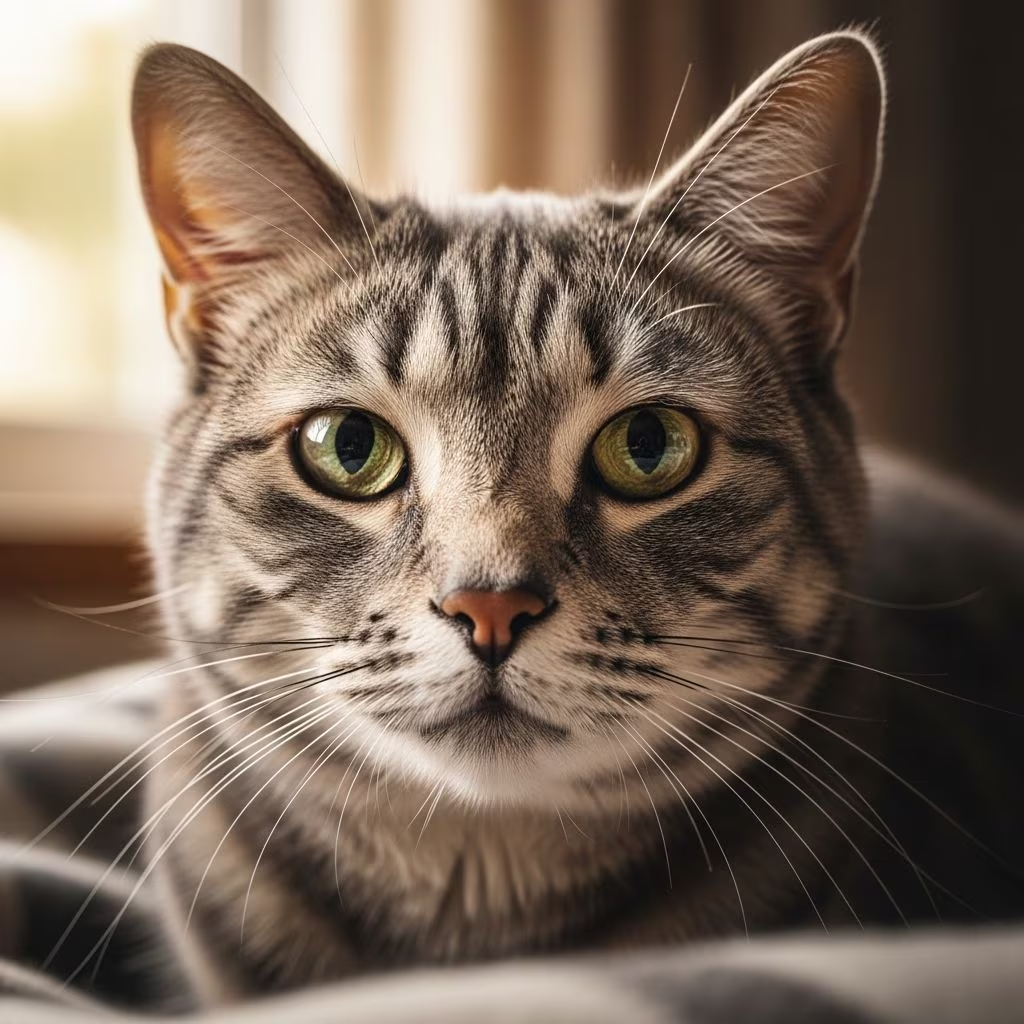
Understanding Senior Cat Diarrhea
Diarrhea in senior cats is a common concern that affects many aging felines and can significantly impact their quality of life. Unlike acute diarrhea that develops suddenly and may resolve within a few days, chronic diarrhea in senior cats often indicates an underlying health condition that requires veterinary attention and management. Senior cats, typically aged seven years and older, are particularly susceptible to developing digestive issues due to age-related changes in their gastrointestinal systems, immune function, and overall metabolism.
Understanding the nuances of senior cat diarrhea is crucial for pet owners who want to provide the best possible care for their aging companions. This condition can lead to serious complications including dehydration, nutrient deficiencies, and weight loss if left untreated. The key to effectively managing senior cat diarrhea lies in identifying the underlying cause and implementing an appropriate treatment plan tailored to your individual cat’s needs.
Common Causes of Senior Cat Diarrhea
Senior cats experience diarrhea for various reasons, many of which are specific to their age group or more prevalent in aging felines. Understanding these causes helps pet owners recognize when their cats need veterinary care and what treatment options might be most effective.
Inflammatory Bowel Disease (IBD)
Inflammatory Bowel Disease is one of the most common causes of chronic diarrhea in senior cats. IBD occurs when the intestinal lining becomes inflamed, making it difficult for your cat to properly absorb nutrients and digest food. This chronic condition is particularly prevalent in middle-aged and older felines due to age-related changes in their immune systems and gut health. Cats with IBD typically experience recurrent bouts of diarrhea, weight loss, poor appetite, and abdominal discomfort. The inflammation can affect different parts of the gastrointestinal tract, leading to varying symptoms and severity levels.
Diagnosing IBD in senior cats requires a comprehensive approach involving physical examinations, blood tests, imaging studies, and potentially intestinal biopsies. Treatment typically involves dietary modifications to reduce inflammatory triggers, anti-inflammatory medications, probiotics to restore healthy gut bacteria, and stress management techniques. Many senior cats respond well to prescription diets formulated specifically for digestive sensitivity and IBD management.
Food Allergies and Dietary Sensitivities
Senior cats often develop new food sensitivities and allergies that they may not have experienced earlier in life. Age-related changes in their digestive capabilities can make them react negatively to ingredients they previously tolerated without issue. Common trigger foods include grains, dairy products, artificial additives, and certain proteins. When senior cats experience diarrhea due to food sensitivities, they may also display symptoms such as frequent loose stools, vomiting, lethargy, and poor coat condition.
Managing dietary sensitivities in senior cats requires identifying potential trigger foods and transitioning to a hypoallergenic or easily digestible diet recommended by your veterinarian. Rather than making abrupt dietary changes, which can upset the gastrointestinal system, pet owners should gradually transition their senior cats to new foods over a period of 7 to 10 days. Keeping a food diary and noting any changes in your cat’s stool quality can help pinpoint the specific ingredient causing digestive upset.
Hyperthyroidism
Hyperthyroidism is an extremely common endocrine disorder in senior cats, characterized by an overactive thyroid gland that produces excess thyroid hormones. Chronic diarrhea is a frequent gastrointestinal manifestation of this condition, often occurring alongside other symptoms such as weight loss despite increased appetite, hyperactivity, and drinking excessive water. The prevalence of hyperthyroidism in senior cats has increased significantly in recent years, making it a critical consideration in cats experiencing unexplained diarrhea.
Diagnosing hyperthyroidism involves blood tests to measure thyroid hormone levels and potentially imaging studies to assess the size and function of the thyroid gland. Treatment options include medication, dietary management, radioactive iodine therapy, or surgical intervention, depending on the severity of the condition and your cat’s overall health status. Managing hyperthyroidism effectively can significantly alleviate gastrointestinal symptoms including chronic diarrhea and improve your senior cat’s overall health and well-being.
Parasitic Infections
While younger cats are often more susceptible to parasitic infections, older cats may be at higher risk due to age-related declines in their immune function. Common parasites affecting senior cats include roundworms, hookworms, tapeworms, and Giardia. These microscopic invaders irritate the intestinal lining and can lead to severe diarrhea with mucus or even blood. Parasitic infections can be particularly problematic for senior cats with compromised immune systems or existing health conditions.
Preventive care including routine deworming and fecal testing are essential for keeping senior cats parasite-free. Your veterinarian can recommend appropriate preventive medications based on your cat’s lifestyle, risk factors, and overall health status. Regular fecal examinations are particularly important for senior cats that spend time outdoors or in multi-cat households.
Metabolic and Endocrine Disorders
Beyond hyperthyroidism, senior cats can develop other metabolic and endocrine disorders that contribute to diarrhea. Pancreatic insufficiency, liver disease, and diabetes can all affect gastrointestinal function and result in chronic diarrhea. These conditions are more common in aging cats due to the natural decline in organ function that occurs with age. Metabolic diseases may cause diarrhea by altering the motility or chemical environment within the gastrointestinal tract.
Medications and Other Factors
Senior cats often require multiple medications for managing chronic conditions, and certain medications can cause diarrhea as a side effect. Antibiotics are particularly known for disrupting the balance of beneficial gut bacteria, leading to gastrointestinal upset. Additionally, constipation may seem counterintuitive, but older cats are prone to developing motility problems in their colons, and sometimes cats only pass small amounts of liquid stools around an obstruction. This pseudo-diarrhea can be mistaken for true diarrhea but requires a different treatment approach.
When to Seek Veterinary Care
Pet owners should seek veterinary care promptly if their senior cat experiences diarrhea that persists for more than 24 hours, includes blood, or is accompanied by lethargy and lack of appetite. Additionally, if diarrhea develops after starting a new medication or supplement, veterinary consultation is warranted. Any sudden behavioral changes or signs of distress should also prompt a visit to your veterinarian.
If your cat’s diarrhea doesn’t improve within two to three days of initiating at-home care or therapy, contact your veterinarian to check for potential complicating factors. Chronic diarrhea that is resistant to initial treatment often has multiple contributing causes, requiring comprehensive diagnostic testing and a more complex treatment approach.
Diagnostic Approaches for Senior Cat Diarrhea
Accurate diagnosis is essential for effectively treating senior cat diarrhea. Your veterinarian will typically begin with a thorough physical examination and detailed medical history, including questions about your cat’s diet, recent medication changes, and the nature of the diarrhea. The diagnostic process may include:
- Blood tests to assess organ function, thyroid levels, and overall health status
- Fecal examinations to identify parasites and bacterial overgrowth
- Urinalysis to rule out urinary tract issues
- Abdominal imaging such as ultrasound or radiographs to visualize internal organs
- Intestinal biopsies if IBD is suspected
In some cases, your veterinarian may recommend an elimination diet trial to identify food sensitivities. This involves feeding your cat a novel protein and carbohydrate source for several weeks to determine if dietary factors are contributing to the diarrhea. These diagnostic tools help your veterinarian develop a targeted treatment plan addressing the specific cause of your senior cat’s diarrhea.
Treatment Options for Senior Cat Diarrhea
Treatment approaches for senior cat diarrhea vary depending on the underlying cause and severity of the condition. In most cases of acute diarrhea, the body’s own healing mechanisms, combined with conservative treatments such as probiotics and supplements or even short-term diet changes, can help cats recover. However, chronic diarrhea often requires more intensive intervention.
Dietary Management
Adjusting your senior cat’s diet is often a cornerstone of diarrhea management. This may involve transitioning to a bland or easily digestible diet, and considering hypoallergenic or prescription foods if food intolerance is identified. High-quality, limited-ingredient diets can reduce gastrointestinal irritation and help restore digestive balance. Some senior cats benefit from diets with added fiber to improve stool consistency, while others do better on low-fiber, highly digestible formulations.
Medications and Supplements
Depending on the underlying cause, your veterinarian may prescribe medications such as anti-inflammatory drugs, antibiotics, or antiemetics for nausea. Probiotics are frequently recommended as a dietary supplement to restore healthy gut bacteria and improve digestive function. Prebiotics, digestive enzymes, and omega-3 fatty acids may also be beneficial for senior cats with chronic diarrhea.
Hospitalization for Severe Cases
In severe cases of acute diarrhea or when chronic diarrhea is resistant to outpatient treatment, hospitalization may be necessary. Hospital treatments can include intravenous (IV) fluids to address dehydration, antibiotics, antinausea medications, and supportive care based on your cat’s specific symptoms. Hospitalization allows veterinarians to provide intensive monitoring and treatment while diagnostic testing is conducted.
Managing Chronic Senior Cat Diarrhea Long-Term
Chronic diarrhea in senior cats often requires ongoing management and monitoring rather than a quick fix. Long-lasting diarrhea that is resistant to treatment can often be multifactorial, with multiple treatments needed for complete resolution. Developing a comprehensive management plan with your veterinarian is essential for maintaining your senior cat’s quality of life.
Regular veterinary check-ups, consistent medication administration, dietary adherence, and stress reduction techniques all contribute to successful long-term management. Your veterinarian may recommend periodic rechecking of bloodwork and fecal samples to ensure your treatment plan remains effective. Some senior cats may require medication adjustments or dietary modifications as their condition evolves.
Prevention and Lifestyle Considerations
While not all causes of senior cat diarrhea can be prevented, certain measures can reduce the risk or severity of digestive issues. Maintaining a consistent, high-quality diet appropriate for your senior cat’s specific health needs is fundamental. Ensure your cat remains current on preventive medications for parasites and receives regular veterinary care with appropriate screening for common senior cat diseases.
Stress management is particularly important for senior cats, as stress can exacerbate digestive issues and IBD. Providing a calm, stable environment with appropriate litter boxes, comfortable resting areas, and predictable routines supports digestive health. Additionally, maintaining appropriate hydration is crucial, as senior cats are prone to dehydration, and chronic diarrhea compounds this risk.
Key Takeaways
- Senior cat diarrhea is often a symptom of underlying health conditions requiring veterinary investigation
- Common causes include IBD, food sensitivities, hyperthyroidism, parasites, and metabolic disorders
- Proper diagnosis through veterinary examination and diagnostic testing is essential for effective treatment
- Treatment may involve dietary modifications, medications, supplements, and lifestyle adjustments
- Chronic diarrhea often requires ongoing management and regular veterinary monitoring
Frequently Asked Questions
Q: How long can a senior cat live with chronic diarrhea?
A: With proper veterinary care and management, senior cats can live comfortably for years with chronic diarrhea. The key is identifying and treating the underlying cause and implementing an appropriate long-term management plan. Regular monitoring helps catch complications early.
Q: Is senior cat diarrhea ever an emergency?
A: Yes, if your senior cat experiences severe diarrhea with blood, signs of dehydration, severe lethargy, or inability to eat, seek immediate veterinary care. These symptoms can indicate serious complications requiring urgent attention.
Q: Can probiotics help my senior cat’s diarrhea?
A: Probiotics can be beneficial for many senior cats with diarrhea, particularly those with digestive imbalances or those taking antibiotics. However, they work best as part of a comprehensive treatment plan that addresses the underlying cause.
Q: Should I change my senior cat’s food if they have diarrhea?
A: Dietary changes may help, but they should be made gradually over 7-10 days and ideally under veterinary guidance. Sudden dietary changes can worsen diarrhea, so work with your vet to identify any food sensitivities and transition appropriately.
Q: How often should a senior cat with chronic diarrhea see the vet?
A: Senior cats with chronic diarrhea typically benefit from regular veterinary visits every 3-6 months, or more frequently if the condition is not well-controlled. Your veterinarian will recommend the appropriate schedule based on your cat’s specific situation.
References
- Causes of Chronic Diarrhea in Young vs Older Cats — Kingstown Veterinary Clinic. 2024-04-15. https://kingstownecatclinic.com/2024/04/causes-of-chronic-diarrhea-in-young-vs-older-cats/
- Diarrhea in Cats: Causes and How to Treat It — Modern Veterinary Care of Georgia. 2024. https://modernvetga.com/diarrhea-in-cats-causes-and-how-to-treat-it/
- Cat Diarrhea: Causes and What to Do About It — PetMD. 2024. https://www.petmd.com/cat/symptoms/cat-diarrhea
- Diarrhea in Cats: Common Causes & When It’s Serious — Advanced Care Veterinary Hospital. 2022-10-30. https://www.advancedcarevet.com/site/blog/2022/10/30/diarrhea-in-cats
- Cat Diarrhea: Causes, Symptoms & Treatment — Purina US. 2024. https://www.purina.com/articles/cat/health/digestion/cat-diarrhea-causes-treatment
- Diarrhea in Cats: Common Causes & When It’s Serious — Pets on Broadway. 2024-07-31. https://www.petsonbroadway.net/site/blog/2024/07/31/diarrhea-cats
- Old Cat Diarrhea Outside Litter Box: Causes, Solutions, and Prevention — UA Pet Emergency & Specialty Hospital. 2024. https://www.uahpet.com/blogs/post/old-cat-diarrhea-outside-litter-box-causes-solutions-and-prevention



