

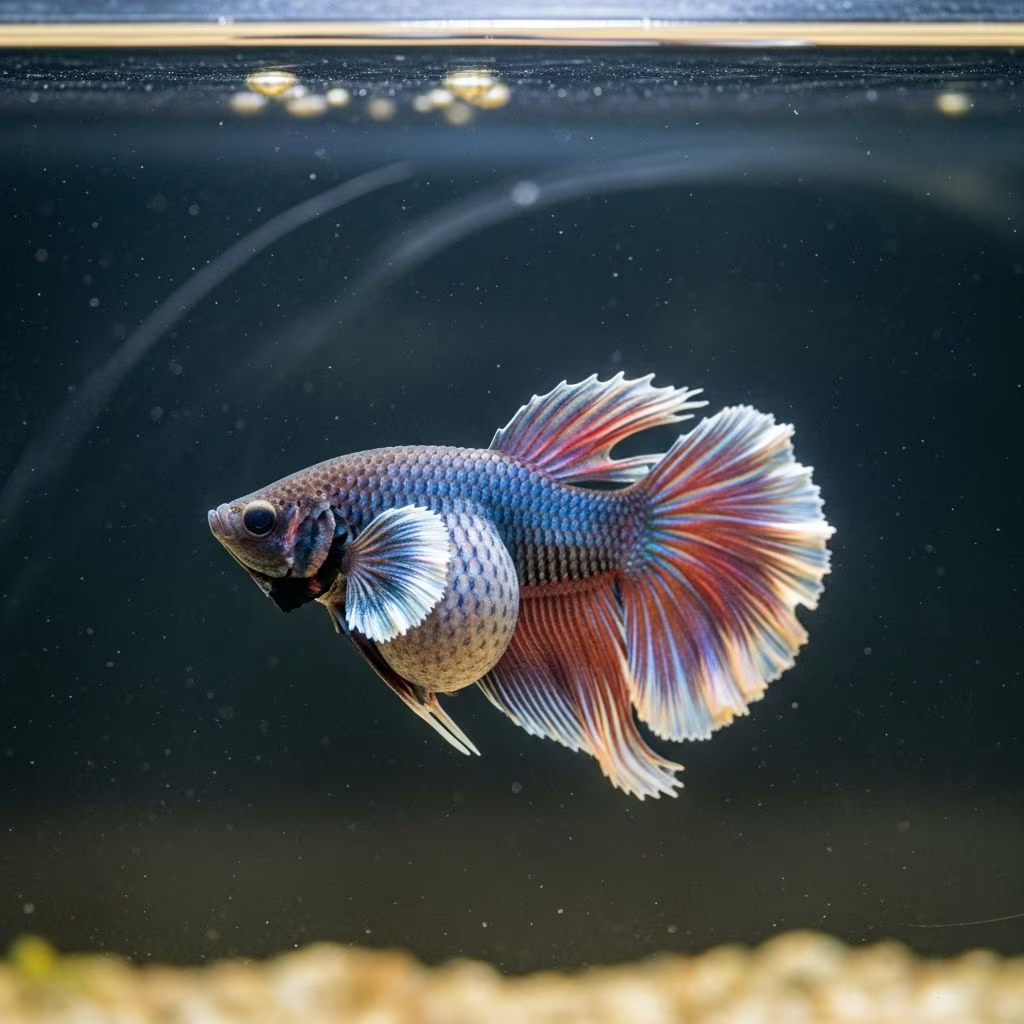
Understanding Dropsy in Aquarium Fish
Dropsy refers to a condition characterized by abdominal swelling that causes the scales in the affected area to stand on end, giving tropical fish an unusual and concerning appearance. This condition is not a disease in itself but rather a symptom that indicates an underlying health problem affecting your fish. The swelling occurs due to the accumulation of fluids in the fish’s body cavity, which disrupts the normal osmotic balance and causes visible distension of the abdomen. Understanding dropsy is crucial for any aquarium keeper because it can affect a wide variety of freshwater fish species, though it is especially common among goldfish.
It is important to recognize that dropsy is a clinical sign of fluid imbalance rather than a specific disease with a single cause. This means that identifying and addressing the underlying cause is essential for successful treatment. Fish experiencing dropsy may have various underlying conditions, including bacterial infections, parasitic infections, or liver dysfunction. Because of this multifaceted nature, the approach to treating dropsy requires both immediate intervention and investigation into environmental and biological factors affecting your aquarium.
What Causes Dropsy in Fish
The causes of dropsy are seemingly anything and everything, making it one of the more complex conditions to diagnose and treat in aquarium settings. Although many aquarium enthusiasts tend to think of tropical fish diseases as being caused by specific pathogens that need to be eliminated, sometimes the cause is far less obvious and more related to environmental parameters.
Environmental and Water Quality Factors
In new aquarium setups, water parameter issues such as elevated ammonia or nitrite levels before the nitrogen cycle is complete can trigger dropsy symptoms. These chemical imbalances create stress on the fish’s physiological systems, compromising their immune response. In established aquariums, chronically low pH due to lack of maintenance can similarly compromise fish health and lead to dropsy development.
Poor water quality remains one of the primary environmental causes of dropsy. Detectable traces of ammonia and nitrate in the aquarium water create conditions that stress fish and make them susceptible to bacterial infection. Additionally, the accumulation of waste at the bottom of the tank, caused by uneaten food, scales, and feces, further deteriorates water quality and creates an environment where harmful bacteria like Aeromonas can thrive.
Bacterial Infection and Immune Compromise
The bacteria that causes dropsy is called Aeromonas, which is commonly found in most freshwater fish tanks. Fish are therefore always exposed to this bacterium, but it will only lead to a serious infection in a fish that already has a compromised immune system. The bacterial agent that causes dropsy is one of several gram-negative bacteria commonly present in aquarium habitats.
The underlying cause of fish becoming infected is a compromised immune system that leaves the fish susceptible to infection. This immune compromise can result from various stress factors. Generally, a single or short-term exposure to stress will not compromise the fish’s ability to fight infection. However, in most cases of lowered immunity, the stress exposure has occurred over an extended period, or several stress factors have occurred in rapid succession.
Common Stress Factors Contributing to Dropsy
Multiple environmental and behavioral factors can create stress that weakens a fish’s immune system:
– Poor water quality creating an environment for bacteria to thrive- Detectable traces of ammonia and nitrate in the aquarium water- Poor nutrition, including overfeeding, underfeeding, or feeding poor quality foods- Overcrowding of fish in the tank- Drastic changes in water temperature or maintaining incorrect water temperatures- Aggressive fish bullying other fish in the tank- Transportation stress when introducing new fish to the aquarium
It is important to note that if you observe dropsy symptoms in only one fish, that individual fish may be feeling stressed due to injury or social dynamics. However, if multiple fish exhibit dropsy symptoms simultaneously, this indicates a systemic problem with the tank environment or common stressor affecting all inhabitants.
Internal Organ Dysfunction
Dropsy can also occur when a fish’s internal organs have problems, such as poor kidney function due to absorbing too much water. Liver dysfunction represents another internal condition that can manifest as dropsy symptoms. These internal issues may be primary conditions or secondary complications resulting from chronic bacterial infection or environmental stress.
Recognizing Dropsy Symptoms
Early detection of dropsy is critical because the condition is most effectively treated when caught in its earliest stages. In most cases, the fish in question will stop eating fish food, typically one or two days before the swelling becomes visible. This appetite loss serves as an important warning sign that something is wrong with your fish.
Physical Symptoms
The most obvious physical symptom of dropsy is abdominal swelling that causes the scales in the affected area to stand on end, creating a distinctive “pinecone” appearance. As the disease progresses, additional physical manifestations may appear:
– Skin lesions or fin rot development- Popeye condition, which causes one or both of the fish’s eyes to discolor and bulge from their head- Damage to internal organs such as the kidney or liver
Behavioral Symptoms
Beyond physical changes, fish with dropsy exhibit characteristic behavioral changes that indicate illness:
– Refusal to eat or significantly reduced appetite- Swimming near the surface of the tank rather than normal swimming patterns- Listlessness and reduced activity levels- Flashing, which is when fish scratch themselves against tank surfaces- Clamped fins held tightly against the body
Additionally, affected fish may display strongly deviating behavior including positioning themselves in a corner of the tank, having difficulty swimming, and developing a very thick, bulging belly.
Treating Dropsy in Your Aquarium
The general consensus among fish health professionals is that if caught in the earliest stages, dropsy can be effectively treated with antibacterial medications and/or salt baths. However, successful treatment requires a multi-faceted approach addressing both the immediate symptoms and underlying causes.
Quarantine and Isolation
The first critical step in treating dropsy is to move the sick fish to a hospital tank to separate them from healthy fish. It is always wise to put diseased fish in quarantine outside the main aquarium to prevent potential transmission of the infection to other inhabitants. Place any infected fish into an isolation tank with warm water, maintaining a temperature of approximately 70-75°F.
Once the fish is quarantined, perform a water change on the original tank and monitor the remaining fish closely for the appearance of symptoms. Careful observation during this period is essential to catch any secondary infections early.
Salt Bath Treatment
One of the most effective and accessible treatments for dropsy involves adding salt to the hospital tank at a ratio of one teaspoon per gallon of water. An API aquarium salt is inexpensive and effective for this purpose. The salt helps with the osmotic balance of the fish and works to get rid of the excess water in their body that causes the dropsy swelling.
The process of osmosis may help relieve pressure on the fish when water with aquarium or epsom salts dissolved in it is used for bathing. Change the water regularly and add salt each time you perform a water change to maintain consistent salinity levels. Keep the hospital tank scrupulously clean and perform weekly partial water changes to maintain optimal conditions.
Nutritional Support and Feeding
If your fish is still eating, continue feeding them high-quality foods. This is crucial because maintaining proper nutrition supports the immune system’s ability to fight infection. You can use the regular flake or pellet food that your fish usually eats, or you can incorporate live foods and frozen foods into their diet, depending on the species of fish.
Sometimes, in the early stages of dropsy, feeding your fish high-quality food alone is enough to see them make a full recovery. You can also give a sick fish antibacterial food or mix their food with an antibiotic for enhanced treatment. However, ensure that you provide a variety of fresh, high-quality food to support recovery.
Antibiotic Treatment
If your fish is not eating or responding to salt baths and nutritional support, you will need to proceed with antibiotic treatment. Because most aquarium bacterial diseases are gram-negative infections, a broad-spectrum antibiotic effective against gram-negative bacteria is recommended.
Effective antibiotics for treating dropsy include:
– Mardel Maracyn 2- Midland Vet Service Aqua-Mox- VetDepot Amoxicillin- Fishbiotic Ampicillin- SeaChem KanaPlex
Maracyn-Two is particularly effective in treating a broad range of bacterial infections and is absorbed by the skin of the fish. Based on the antibiotic’s instructions, add the required amount to the water of your fish’s hospital tank. Always follow directions for duration and dosage carefully to ensure proper treatment and avoid complications.
You may also consider adding API MelaFix Antibacterial Remedy, which is an all-natural medication derived from the leaves of “Melaleuca,” the scientific name for the Tea Tree. This natural alternative can be used in conjunction with other treatments.
Long-term Monitoring
Keep the fish under observation for several weeks after symptoms disappear. This extended observation period is important because some infections may not be completely eliminated and could resurface if monitoring ceases too early.
Prevention of Dropsy
Maintaining Water Quality
The most effective way to prevent dropsy is to maintain excellent water quality in your aquarium. Keep up with regular water changes as necessary to avoid creating a suitable environment for bacteria to breed. Regularly test the water and monitor the temperature to ensure parameters remain within acceptable ranges for your fish species.
Use a gravel vacuum to remove waste buildup at the bottom of the tank caused by uneaten food, scales, and feces. Be sure to change the water in your tank regularly and make sure the filter is always clean and running properly. A proper filter provided with activated carbon will take care of better water quality, because the activated carbon can purify water from various micro dust particles and filter out various pathogenic organisms.
Proper Tank Management
Several management practices can help prevent dropsy by reducing stress and maintaining a healthy environment:
– Avoid overcrowding by maintaining appropriate stocking density for your tank size- Provide adequate nutrition with high-quality foods suitable for your fish species- Maintain stable water temperatures appropriate for your fish- Introduce new fish carefully to minimize transportation stress- Monitor fish behavior to identify aggressive individuals that may bully others- Perform regular water quality testing to catch problems early
Frequently Asked Questions About Dropsy
Q: What is the difference between dropsy and other fish diseases?
A: Dropsy is a symptom rather than a disease in itself. It can result from various underlying conditions including bacterial infections, parasitic infections, viral infections, or organ dysfunction, making it distinct from specific disease conditions.
Q: Can dropsy be cured if caught early?
A: Yes, dropsy can be effectively treated with antibacterial medications and salt baths if caught in the earliest stages. Sometimes, providing high-quality nutrition alone in early stages is sufficient for recovery.
Q: Is dropsy contagious to other fish?
A: While dropsy itself may not be directly contagious, the underlying bacterial infection that causes it can spread to other fish. This is why quarantining affected fish is essential.
Q: How long does dropsy treatment typically take?
A: Treatment duration varies depending on the severity and underlying cause. Fish should be monitored for several weeks after symptoms disappear to ensure complete recovery.
Q: What should I do if my fish shows signs of dropsy?
A: Immediately quarantine the affected fish in a hospital tank with warm water (70-75°F), begin salt bath treatment, ensure quality nutrition, and monitor for progression. If the fish stops eating or shows no improvement, begin antibiotic treatment.
Q: Can dropsy be prevented?
A: Yes, maintaining excellent water quality, avoiding overcrowding, providing proper nutrition, monitoring tank temperature, and regular water testing are effective prevention strategies.
Q: Why is my fish refusing to eat with dropsy symptoms?
A: Loss of appetite is one of the earliest signs of dropsy and typically appears one to two days before visible swelling occurs. It indicates that the fish’s immune system is being compromised by infection or stress.
Treatment Comparison Table
| Treatment Method | Cost | Effectiveness | Best Used For | Duration |
|---|---|---|---|---|
| Salt Bath | Low | High (early stages) | Initial treatment, osmotic balance | Ongoing with water changes |
| High-Quality Nutrition | Medium | High (very early stages) | Immune system support | Ongoing |
| Maracyn-Two Antibiotic | Medium | Very High | Moderate to advanced cases | 10-14 days typically |
| Natural MelaFix | Medium | Moderate | Mild bacterial infections | 7-10 days |
| Combined Approach | Medium-High | Very High | Most dropsy cases | 2-4 weeks |
Conclusion
Dropsy represents a serious challenge for aquarium keepers, but understanding its causes, recognizing early symptoms, and implementing appropriate treatment can significantly improve recovery outcomes. The key to successful management lies in early detection through careful observation of your fish’s eating habits and behavior, combined with immediate implementation of quarantine and treatment protocols. By maintaining excellent water quality, managing tank conditions to minimize stress, and providing proper nutrition, you can substantially reduce the likelihood of dropsy affecting your aquarium inhabitants. Remember that dropsy is often a symptom of environmental or physiological problems rather than a specific disease, so addressing underlying causes is just as important as treating the immediate symptoms. With prompt intervention and comprehensive care, many fish can recover from dropsy and return to normal, healthy lives in your aquarium.
References
- What is Dropsy in Fish — The Pond Guy. 2024. https://www.thepondguy.com/learning-center/what-is-dropsy-in-fish/
- Dropsy Disease in Aquarium Fish: What is It And How Do I Treat It — Melbourne Tropical Fish. 2024. https://melbournetropicalfish.com.au/blogs/news/dropsy-disease-in-aquarium-fish-what-is-it-and-how-do-i-treat-it
- Dropsy — Fritz Aquatics. 2024. https://fritzaquatics.com/resources/fish-diseases/dropsy
- 11.4. Dropsy — Aquarium Science. 2024. https://aquariumscience.org/index.php/11-4-dropsy/
- Dealing With Dropsy — Chewy. 2024. https://www.chewy.com/education/fish/health-and-wellness/dealing-with-dropsy
- Treating and preventing from dropsy at pond fish — Velda. 2024. https://www.velda.com/pond-fish/diseases/dropsy/
- Dropsy in fish — Wikipedia. 2024. https://en.wikipedia.org/wiki/Dropsy_in_fish



