

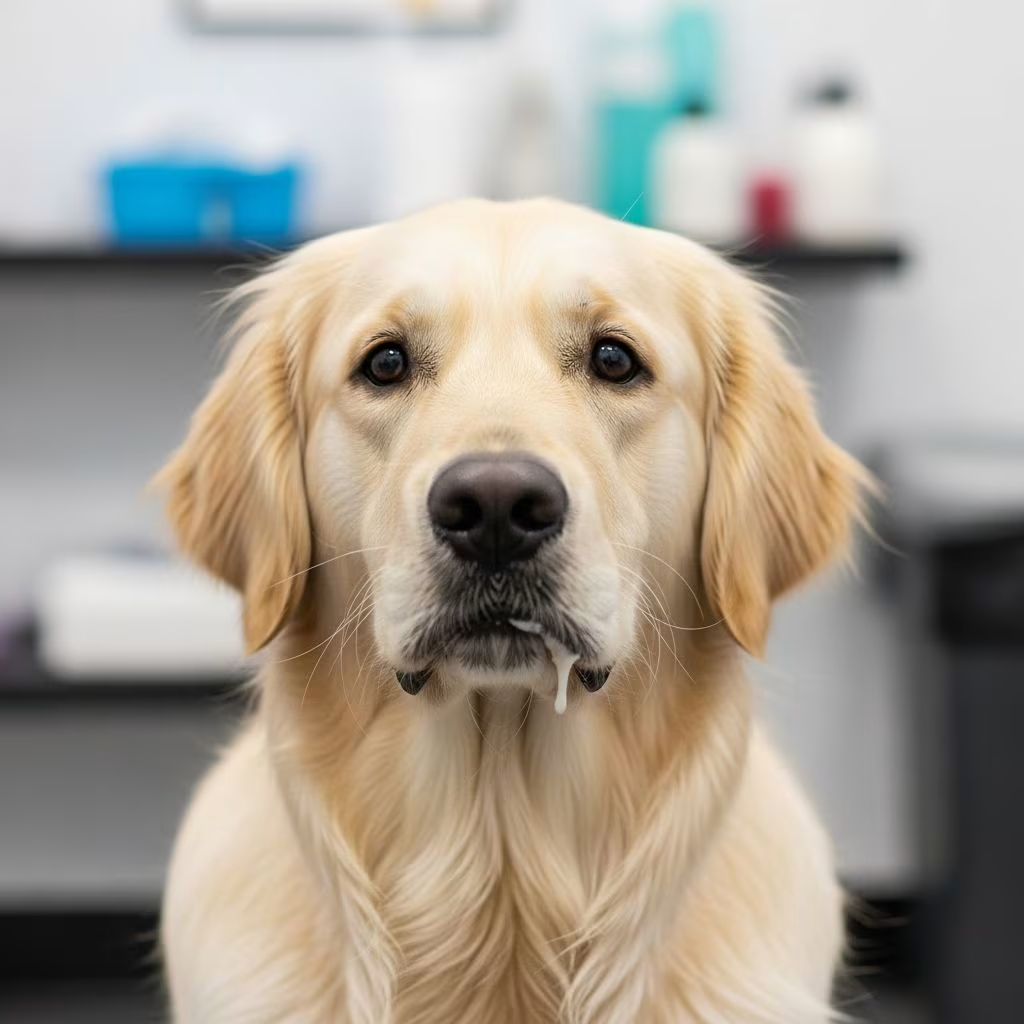
Understanding Dog Drooling: A Comprehensive Guide
Drooling is a natural and normal part of canine physiology. Dogs produce saliva throughout the day as part of their digestive process, and some degree of drooling is completely healthy. However, when drooling becomes excessive or is accompanied by other symptoms, it may indicate an underlying health or behavioral issue that requires attention. Understanding the difference between normal drooling and hypersalivation is essential for pet owners who want to maintain their dog’s wellbeing.
The Importance of Saliva in Dog Health
Saliva plays several crucial roles in maintaining your dog’s oral and digestive health. While excessive drooling can be problematic, the saliva itself serves important protective and functional purposes.
Saliva promotes dental health by bathing the teeth with proteins and minerals that protect tooth enamel and reduce gum disease. Additionally, saliva decreases the formation of cavities and prevents tooth decay by clearing food particles from the teeth. Furthermore, saliva has antibacterial properties that decrease germs in the mouth that cause bad breath. Overall, saliva is beneficial and necessary for proper oral hygiene and digestive function.
However, when the production of saliva becomes excessive, the dog does not swallow it all. The saliva overloads the mouth, runs over the brim, and the dog drools. While the production of saliva is normal, excessive production is not. This distinction is important because it helps owners understand when drooling transitions from normal to problematic.
Common Causes of Excessive Drooling
Excessive drooling in dogs can stem from various causes, ranging from minor behavioral issues to serious medical conditions. Understanding these causes is the first step in addressing the problem effectively.
Behavioral and Environmental Causes
One of the most common causes of drooling is anticipation of food. Because your dog has over 200 million scent receptors, they have a stronger reaction when smelling your food, their own food, or even when you open the dog food bag. This excitement triggers salivary gland activity and results in drooling.
Stress and anxiety can also cause excessive drooling. If you notice that drooling is happening due to open mouth panting, you may want to determine if your dog is stressed. For example, some dogs tend to only drool while in a car because they get anxious about leaving their home. Similarly, dogs may drool excessively when guests arrive or during other stressful situations.
Heat exposure is another environmental factor that can trigger drooling. During hot weather or when dogs overheat, they may pant excessively and drool as their body attempts to regulate temperature.
Medical and Dental Causes
Dental disease is one of the most common medical causes of excessive drooling. Tooth decay, gum infections, and other oral problems can stimulate saliva production and make swallowing uncomfortable. Dogs with dental issues often experience decreased appetite and may drool persistently until the underlying dental problem is resolved through professional cleaning, tooth extraction, or gum disease treatment.
Mouth injuries and foreign objects can also cause significant drooling. If your dog has an ulcer, a cut, or has burned their mouth, the body may produce excess saliva as a protective response. Similarly, if something is lodged in your dog’s mouth, it can stimulate continuous drooling until the object is removed.
Growths in the mouth, whether benign warts or cancerous tumors, can cause drooling. Even harmless growths can result in drooling if they interfere with normal swallowing or saliva drainage.
Gastrointestinal Issues
Nausea is a significant trigger for excessive drooling in dogs. Gastrointestinal (GI) problems, vestibular (balance) issues, and motion sickness can all cause a dog’s salivary glands to go into overdrive. When a dog is nauseated, hypersalivation is often one of the first signs. Dogs may also experience decreased appetite if hypersalivation is caused by chronic GI problems.
Stomach upset and acid reflux can similarly trigger excessive drooling. If nausea is the cause, the drooling may be temporary and cease when the upset stomach resolves.
Infections and Systemic Conditions
Infections in the nose, sinuses, or throat can stimulate saliva production and lead to excessive drooling. These infections often accompany other symptoms such as nasal discharge or coughing.
More serious systemic conditions can also cause excessive drooling. Heat stroke is a medical emergency that presents with drooling alongside panting, bright red or pale gums, dry nose, and dehydration. Kidney or liver disease can affect saliva production and overall mouth health. Seizures can trigger involuntary drooling as well.
Nausea from various causes, including eating something toxic, can result in rapid onset of excessive drooling accompanied by other warning signs.
Toxin Ingestion
Dog drooling after eating something toxic is one of the first signs of poisoning. Common toxins include chocolate, caffeine, alcohol, grapes, raisins, bleach, floor cleaners, and toilet disinfectants. Houseplants like aloe, ivy, and chrysanthemum are also toxic to dogs. Other signs of toxin ingestion include vomiting, restlessness, and pale gums. Any suspected toxin ingestion is an emergency requiring immediate veterinary treatment.
Physical Characteristics Contributing to Drooling
Some dog breeds are genetically predisposed to drooling due to their mouth structure and lip design. Breeds with loose, hanging lips and large jowls, such as Saint Bernards, Bloodhounds, and Mastiffs, naturally drool more than other breeds. The shape of their mouth makes it difficult to contain saliva, and excessive drooling is simply a normal part of their physiology. For dogs with this structural predisposition, there is not much that can be done to prevent drooling entirely, though management strategies can help.
Recognizing When Drooling Requires Veterinary Attention
While some drooling is normal, certain situations warrant immediate veterinary care. If drooling appears suddenly, lasts for hours, or is accompanied by vomiting, swelling, bad breath, or behavioral changes, it may be a sign of illness.
You should seek veterinary care when:
- Drooling persists beyond a few hours
- There is blood, swelling, or foul smell associated with the drooling
- Drooling is accompanied by vomiting, panting, or weakness
- Your dog’s gums turn pale or bright red
- Your dog appears restless or unable to lie down
- Drooling is accompanied by behavioral changes or signs of distress
Diagnosing the Cause of Drooling
When investigating the cause of your dog’s drooling, your veterinarian will start with a complete physical exam, paying particular attention to the mouth. A simple survey of the oral cavity may point to a diagnosis and treatment plan.
If the cause of drooling is not clear, your veterinarian may suggest blood tests, X-rays (radiographs), or other diagnostic tests. These tests help identify underlying systemic conditions such as kidney disease, liver disease, or infections. Imaging can reveal foreign objects, growths, or structural abnormalities. Blood work can detect infections, organ dysfunction, and other metabolic issues that might be causing excessive drooling.
Treatment Options for Excessive Drooling
With so many possible causes of drooling, treatment plans will vary based on the underlying cause. Effective treatment requires identifying and addressing the root issue.
Medical Treatments
Treating the underlying cause is essential for resolving excessive drooling. Treatment options may include:
- Cleaning teeth or extracting damaged teeth for dental disease
- Removing growths or addressing oral tumors
- Treating gastrointestinal problems with medication or dietary changes
- Providing antibiotics for infections or antihistamines for allergic reactions
- Removing foreign objects stuck in the mouth
- Treating injuries or mouth ulcers
- Giving nausea medication before car trips or other stressful situations
- Immediate medical treatment for heat stroke or toxin ingestion
Behavioral Management
If the cause is behavioral, several management strategies can help reduce drooling:
- Try settling your dog down before allowing guests to enter the house
- Place your dog in a quiet area while you entertain visitors
- Create a calm environment to reduce stress and anxiety
- Use desensitization techniques for dogs anxious about car rides
- Avoid triggers that cause stress-related drooling when possible
Managing Drooling in Predisposed Breeds
For dogs whose drooling is due to the shape of their mouth, there is limited medical intervention available. However, several management strategies can help:
- Keep a towel handy to mop up drool, especially during meals or when cooking
- Try tying a trendy bandana around your dog’s neck to catch the slobber
- Keep the fur clipped short around the chin and neck area to prevent matting
- Bathe the chin and neck regularly to prevent skin irritation and infection from prolonged moisture
- Monitor for skin infections or dermatitis caused by constant moisture
Home Care and Prevention
In addition to veterinary treatment, several home care measures can help manage excessive drooling:
- Maintain regular dental hygiene through brushing and professional cleanings
- Remove potential toxins and hazards from your home
- Keep fresh water available at all times
- Monitor your dog for signs of stress or anxiety
- Keep the area around your dog’s mouth clean and dry
- Use washable towels or cloths to manage drool
- Watch for changes in drooling patterns that might indicate new health issues
When to Seek Emergency Care
Certain situations require immediate emergency veterinary care. If your dog shows signs of heat stroke, has ingested a known toxin, has a severe mouth injury, or displays signs of acute illness alongside excessive drooling, seek emergency care at your nearest veterinary hospital immediately. These conditions can quickly become life-threatening and require prompt professional intervention.
Frequently Asked Questions
Q: Is it normal for dogs to drool?
A: Yes, some degree of drooling is normal for all dogs. It’s part of their natural digestive process and oral function. However, excessive drooling that represents a change from your dog’s baseline or is accompanied by other symptoms requires veterinary evaluation.
Q: What’s the difference between normal drooling and excessive drooling?
A: Normal drooling is minimal and manageable, while excessive drooling involves persistent, noticeable saliva that drips or runs. If drooling changes suddenly or is accompanied by other symptoms, it’s considered excessive and warrants attention.
Q: Can anxiety cause my dog to drool?
A: Yes, stress and anxiety can trigger excessive drooling in dogs. If your dog drools more during stressful situations like car rides or when guests visit, anxiety may be a contributing factor.
Q: What should I do if my dog drools after eating something unknown?
A: If you suspect your dog has ingested something toxic and is drooling excessively, seek emergency veterinary care immediately. Drooling after toxin ingestion is one of the first warning signs.
Q: How can I prevent skin problems from constant drooling?
A: Keep the chin and neck area clean and dry, maintain short hair in these areas, and bathe regularly. Monitor for signs of skin irritation or infection and consult your veterinarian if problems develop.
Q: Are certain dog breeds more prone to drooling?
A: Yes, breeds with loose lips and large jowls, such as Saint Bernards, Bloodhounds, and Mastiffs, naturally drool more than other breeds due to their mouth structure.
Q: When should I take my dog to the vet for drooling?
A: Seek veterinary care if drooling is sudden, persistent, accompanied by other symptoms like vomiting or behavioral changes, or if you notice blood, swelling, or foul odors associated with the drooling.
Conclusion
Excessive drooling in dogs can result from various causes, ranging from simple behavioral issues to serious medical conditions. While some degree of drooling is completely normal and healthy, understanding when drooling becomes problematic is essential for responsible pet ownership. By recognizing the signs of abnormal drooling, seeking appropriate veterinary care when needed, and implementing effective management strategies, you can help your dog remain comfortable and healthy. Remember that saliva itself is beneficial for your dog’s oral health, but excessive production requires investigation and treatment of the underlying cause. With proper attention and care, most cases of excessive drooling can be effectively managed, allowing you and your pet to enjoy a happier, healthier relationship.
References
- Dealing with Drooling — VCA Animal Hospitals. 2025. https://vcahospitals.com/know-your-pet/dealing-with-drooling
- Why Is My Dog Drooling So Much? — Hill’s Pet Nutrition Australia. 2025. https://www.hillspet.com.au/dog-care/behavior-appearance/dog-drooling
- Why Is My Dog Drooling Excessively? Causes, Risk, Vet Advice — Vetic. 2025. https://vetic.in/blog/pet-health/dog-drooling-excessively-12-reasons-why/
- Why Do Dogs Drool? — PetLab Co. 2025. https://thepetlabco.com/learn/dog/symptoms/why-do-dogs-drool
- Dog Drooling: Why They Do It & What to Do — Carlsbad Animal Hospital. 2023-06-15. https://www.carlsbadanimalhospital.com/site/blog/2023/06/15/dog-drooling
- Why is my dog drooling? — Park Animal Hospital. 2023-06-15. https://www.parkanimalhospitalsimi.com/site/blog/2023/06/15/dog-drooling



