

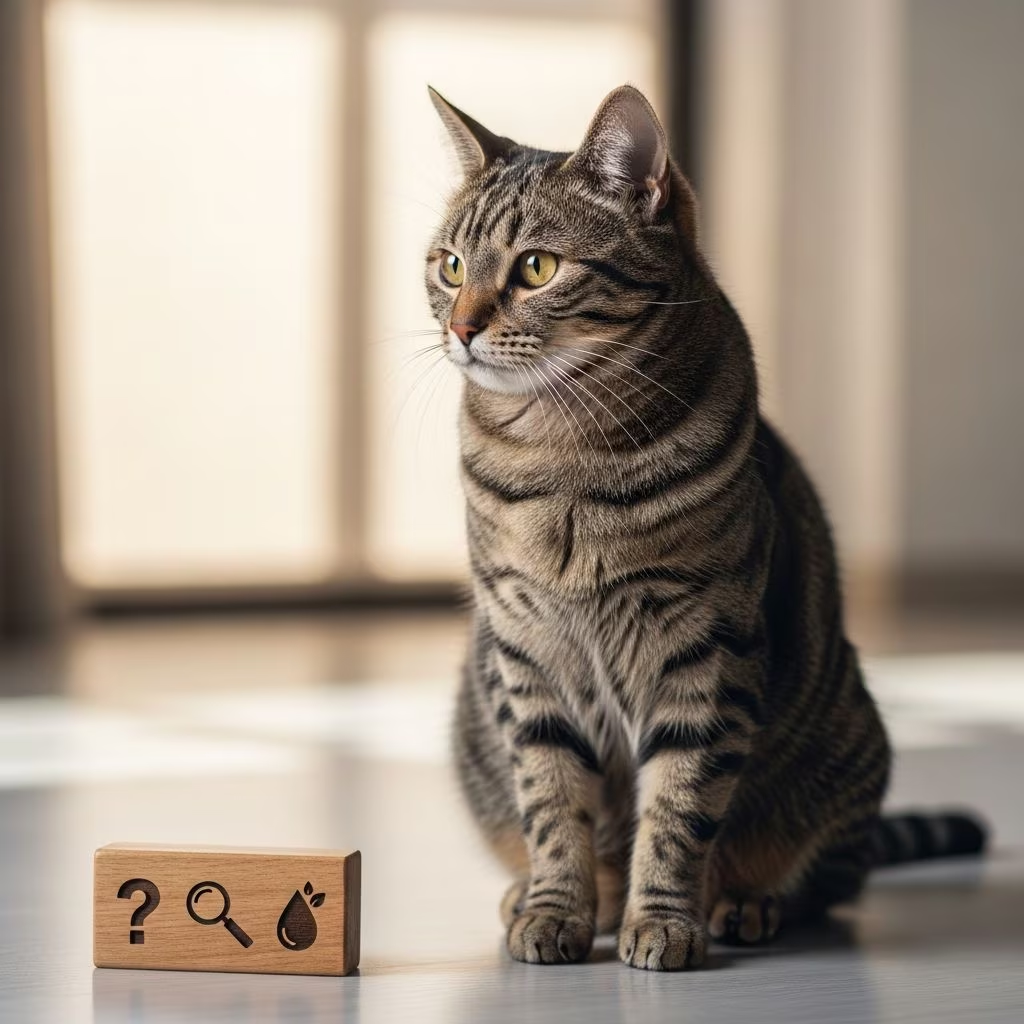
Understanding Cat Constipation
Cat constipation is a common digestive issue that affects felines of all ages and breeds. While occasional difficulty with bowel movements may seem minor, constipation can indicate underlying health concerns or lifestyle factors that need attention. When your cat experiences constipation, it means they’re having difficulty passing stool, which can range from mild straining to complete inability to defecate. If left untreated, constipation can progress to more serious conditions like obstipation (painful defecation) or megacolon, a severe condition where the colon becomes enlarged and loses its ability to function properly. Understanding the causes, recognizing the symptoms, and knowing when to seek veterinary care are essential for maintaining your cat’s digestive health.
Common Causes of Cat Constipation
Cat constipation develops for various reasons, ranging from dietary factors to underlying medical conditions. By understanding these causes, you can better address the root of the problem and prevent future episodes.
Dietary Factors
Low-fiber diets are among the most common culprits behind feline constipation. Cats require adequate fiber to maintain healthy bowel movements, and insufficient fiber intake can lead to hardened stool that’s difficult to pass. Dry food diets can predispose cats to both constipation and dehydration, as dry kibble contains minimal moisture. Additionally, insufficient water intake plays a significant role in constipation development. Many cats don’t drink enough water naturally, which can be exacerbated by kidney issues or other underlying health concerns that affect their thirst response.
Medical and Physical Conditions
Several health conditions contribute to constipation in cats. Kidney disease draws water from the body, causing dehydration and making stool difficult to pass. Arthritis and spinal pain make it uncomfortable for cats to assume the proper posture needed for defecation. Inflammatory bowel disease, hyperthyroidism, diabetes, and other chronic diseases can affect digestive function and water absorption. Ruptured or impacted anal sacs cause pain during defecation, leading cats to avoid using the litter box. Other conditions include nerve problems, perianal disease, and even cancer, which may cause constipation as a secondary symptom.
Behavioral and Environmental Factors
Stress and anxiety significantly impact digestive health in cats. Changes in environment, household dynamics, or routine can trigger constipation. Excessive grooming leads to extra hair accumulating in the digestive tract, contributing to blockages and constipation. Obesity can compromise digestive function and reduce a cat’s motivation for physical activity, which supports healthy bowel movements.
Obstructions and Other Factors
Physical obstructions such as bones or string can block the colon, preventing normal stool passage. In severe cases, megacolon develops when the colon becomes enlarged and loses its muscular function, making it difficult for stool to move through the digestive system.
Recognizing the Symptoms of Constipation
Early recognition of constipation symptoms allows for prompt intervention. Watch for these signs in your cat:
- Straining and difficulty passing feces during litter box visits[10]
- Spending excessive time in the litter box with repeated digging and unsuccessful attempts[10]
- Abdominal pain caused by excessive stool, gas, and intestinal distension
- Decreased energy and activity levels due to abdominal discomfort
- Decreased interest in family interaction and social withdrawal, which often indicates illness
- Hard, dry stools that are difficult to pass
- Loss of appetite resulting from digestive discomfort
Elderly cats experience constipation more frequently than kittens, though the condition can develop in felines of any breed or age. If your cat displays any of these symptoms, schedule a veterinary examination to rule out serious underlying conditions.
Diagnosing Cat Constipation
When you bring your constipated cat to the veterinarian, they’ll conduct a thorough examination to determine the cause. This typically includes a physical assessment of the abdomen, review of your cat’s medical history, dietary habits, and water intake patterns. Your vet may recommend diagnostic imaging such as X-rays to visualize the colon and identify obstructions or structural abnormalities. Blood work can reveal underlying conditions like kidney disease or other chronic illnesses that contribute to constipation. Understanding your cat’s complete health picture helps the veterinarian develop an effective treatment plan tailored to your pet’s specific needs.
Treatment Options for Cat Constipation
Treatment approaches vary based on constipation severity and underlying causes. Most cases respond well to a combination of therapies when caught early.
Veterinary Medical Treatments
Laxatives and stool softeners are commonly prescribed for constipation management. Your vet may recommend medications such as lactulose, Miralax, or dioctyl sodium sulfosuccinate (DSS), which soften stool and promote regular bowel movements. Prokinetic drugs assist with muscle contractions in the colon, helping move stool through the digestive system.[10] In cases involving impacted stool, enemas or even manual removal may be necessary to clear the blockage. For severe conditions like megacolon, surgical removal of affected colon portions may be required. Pain relief medication helps cats with arthritis or other pain conditions access the litter box more comfortably.[10] Treating underlying diseases, such as managing kidney disease or arthritis, often proves most important for preventing constipation recurrence.
Dietary Modifications
Dietary changes form the foundation of constipation prevention and management. High-fiber cat food or fiber supplements help improve bowel movements and prevent future constipation. Wet cat food increases overall fluid intake compared to dry kibble, supporting hydration and easier stool passage. Plain, unsweetened canned pumpkin (approximately one teaspoon once or twice daily) is a popular natural remedy that improves bowel function. Alternative diets featuring lamb, chicken, limited ingredients, or hypoallergenic formulas can reduce inflammation and allow the intestines to function normally, particularly for cats with food sensitivities.
At-Home Remedies and Prevention Strategies
Beyond veterinary treatment, several lifestyle modifications support digestive health and prevent constipation:
Hydration and Nutrition
Ensure your cat has constant access to fresh, clean water. Some cats prefer running water, so consider a cat water fountain to encourage drinking. Incorporate wet food into their diet to increase moisture intake. Provide fiber-rich foods like canned pumpkin or ginger as natural remedies.
Weight Management and Exercise
Maintaining a healthy weight supports digestive function and overall wellness. Increased exercise promotes intestinal movement, reduces anxiety, and supports weight loss—all factors that prevent constipation. Engage your cat with interactive toys, climbing structures, and regular play sessions to maintain activity levels.
Stress Reduction
Minimize stress and anxiety by maintaining consistent routines, providing safe spaces, and using calming techniques when needed. Stress significantly impacts digestive function, so creating a calm environment supports regular bowel movements.
Probiotics and Supplements
Provide probiotics to maintain healthy gut flora and improve digestion. Consult your veterinarian about appropriate probiotic supplements for your cat’s specific needs.
Litter Box Management
Ensure your cat has easy access to clean litter boxes. Cats experiencing pain or mobility issues may avoid using boxes that are difficult to reach. Keep boxes clean and accessible to encourage regular use.
When to Consult Your Veterinarian
While mild constipation cases may respond to home remedies, certain situations warrant immediate veterinary attention. Contact your vet if your cat hasn’t defecated in over two days, shows severe abdominal pain, displays signs of dehydration, vomits, or has bloody stools. If constipation persists despite home care efforts or if your cat has underlying health conditions like kidney disease or arthritis, professional guidance is essential. Your vet can rule out serious complications and adjust treatment as needed.
Preventing Future Constipation Episodes
Prevention is always preferable to treatment. Maintain your cat’s digestive health through consistent high-fiber diet, adequate hydration, regular exercise, and stress management. Monitor for behavioral changes or signs of illness, as constipation often indicates underlying health concerns. Schedule regular veterinary check-ups to catch potential issues early. If your cat has experienced constipation previously, work with your vet to develop a long-term management plan that may include dietary modifications or preventative medications.
Frequently Asked Questions About Cat Constipation
Q: How long can a cat go without pooping before it’s a medical emergency?
A: Most cats should have regular daily bowel movements. If your cat hasn’t defecated in over two days, or if they’re showing signs of abdominal pain, contact your veterinarian promptly. Prolonged constipation can lead to serious complications like megacolon.
Q: Is it safe to give my cat over-the-counter laxatives?
A: Always consult your veterinarian before giving your cat any laxatives. While over-the-counter options exist, they may worsen symptoms in cats with underlying or chronic diseases. Your vet can recommend the most appropriate medication for your cat’s specific situation.
Q: Can diet alone cure cat constipation?
A: Diet plays a crucial role in preventing and managing constipation, but the underlying cause determines treatment. Mild cases may respond to dietary changes alone, while severe constipation or cases caused by medical conditions may require veterinary intervention and medication.
Q: How much pumpkin should I give my constipated cat?
A: A common recommendation is one teaspoon of plain, unsweetened canned pumpkin once or twice daily. However, always consult your veterinarian about appropriate dosages for your individual cat.
Q: Does wet food help with cat constipation?
A: Yes, wet food helps increase fluid intake, which supports hydration and easier stool passage. Combining wet food with high-fiber options provides optimal digestive support.
Q: Are certain cat breeds more prone to constipation?
A: Constipation can develop in cats of any breed or age, though senior cats experience it more frequently. Cats eating low-fiber diets or not drinking enough water are at higher risk regardless of breed.
Q: Can stress cause constipation in cats?
A: Yes, stress and anxiety significantly impact digestive function and can trigger constipation. Environmental changes, household disruptions, or routine alterations may cause stress-related constipation.
Q: What is megacolon and how is it treated?
A: Megacolon is a severe condition where the colon becomes enlarged and loses its ability to function properly. In mild to moderate cases, it may be managed with medications and dietary changes. Severe cases may require surgical removal of affected colon portions.
References
- Constipation in Cats: Causes, Symptoms & Treatment — AnimERge Veterinary Emergency Clinic. 2021-01-15. https://www.animergevets.com/site/blog/2021/01/15/constipation-dogs-causes-symptoms-treatment
- Constipation — Cornell University College of Veterinary Medicine. https://www.vet.cornell.edu/departments-centers-and-institutes/cornell-feline-health-center/health-information/feline-health-topics/constipation
- Constipation in Cats: Symptoms, Causes & Treatment — New Hope Animal Hospital. 2024-07-15. https://www.newhopeanimalhospital.com/site/blog/2024/07/15/constipation-cats
- Cat Constipation Symptoms and Causes — PetMD. https://www.petmd.com/cat/conditions/digestive/cat-constipation-symptoms-causes
- Constipation in Cats — VCA Animal Hospitals. https://vcahospitals.com/know-your-pet/constipation-in-cats
- Cat Constipation: Signs, Causes and Treatment — Hill’s Pet Nutrition. https://www.hillspet.com/cat-care/healthcare/cat-constipation
- Constipation in cats — International Cat Care. https://icatcare.org/articles/constipation-in-cats



