
Deafness In Horses: Causes, Diagnosis, And Expert Care Tips
Exploring causes, symptoms, diagnosis, and management strategies for hearing impairment in equines to ensure optimal welfare.
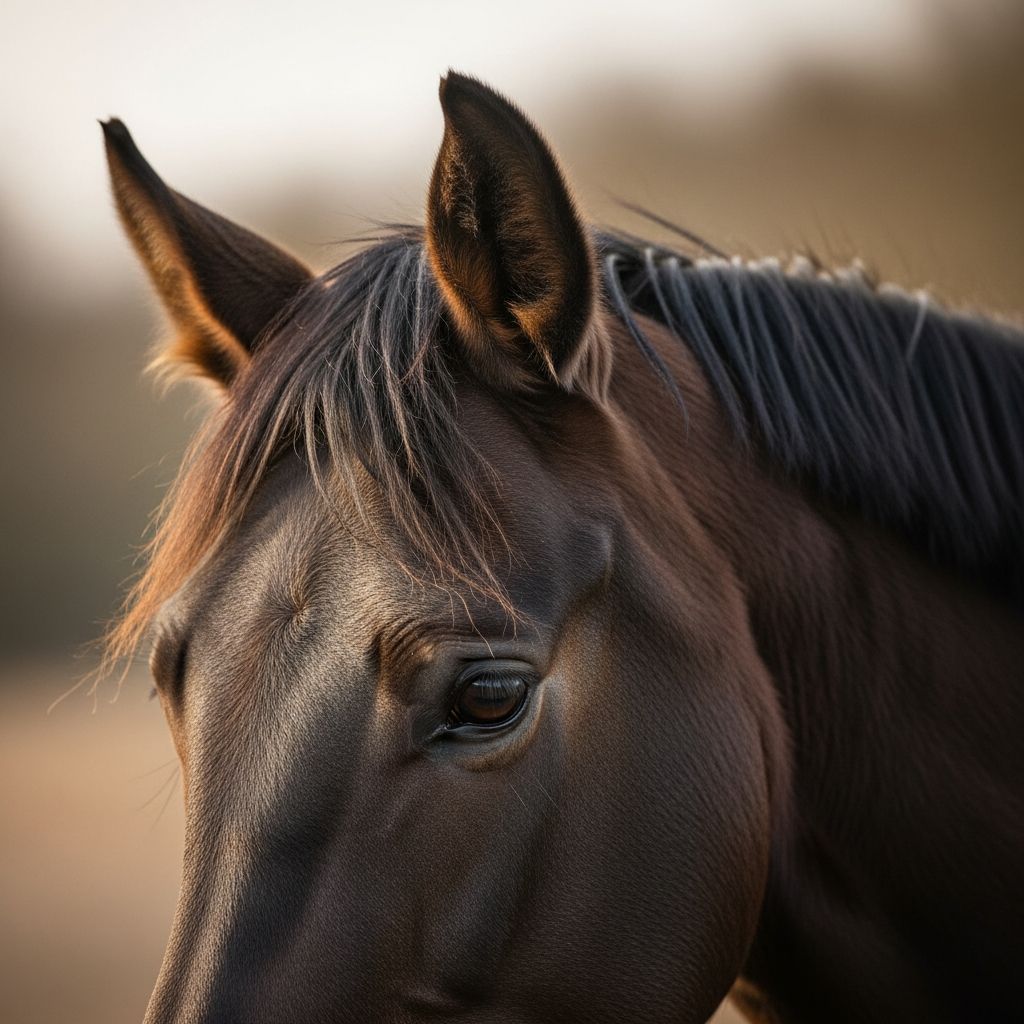
Hearing impairment in horses can significantly affect their behavior, training, and overall quality of life. While rare, deafness may be present from birth or develop later due to various health issues. Understanding the underlying causes, recognizing early signs, and implementing appropriate management strategies are crucial for horse owners and veterinarians alike.
How Horses Hear: The Basics of Equine Auditory Anatomy
Horses possess highly sensitive hearing adapted to their environment. Their ears can rotate nearly 360 degrees, allowing them to pinpoint sounds from all directions. Sound enters through the large, mobile pinna, travels down the ear canal to the eardrum, and then to the middle and inner ear where vibrations are converted into neural signals for the brain.
The equine auditory system includes the outer ear (pinna and canal), middle ear (ossicles and eustachian tube), and inner ear (cochlea with hair cells). Disruptions at any level—conductive (outer/middle ear blockage) or sensorineural (inner ear or nerve damage)—can lead to partial or total hearing loss.
Types of Hearing Loss in Equines
Deafness in horses falls into two main categories:
- Conductive deafness: Caused by issues preventing sound from reaching the inner ear, such as ear canal blockages from chronic infections or tumors.
- Sensorineural deafness: Results from damage to the cochlea, hair cells, or auditory nerve, often irreversible and linked to genetics, toxins, or inflammation.
Unilateral (one ear) or bilateral (both ears) loss is possible, with partial deficits showing delayed or weak responses to sounds.
Congenital Causes of Deafness
Some horses are born deaf due to developmental abnormalities. These conditions often stem from genetic factors or prenatal issues.
Genetic Predispositions and Pigmentation Patterns
Breeds like American Paint Horses with extensive white facial markings or blue eyes are at higher risk. This links to overo lethal white foal syndrome (OLWFS), where a lack of melanocytes—pigment cells essential for inner ear function—leads to cochlear degeneration. Melanocytes in the stria vascularis maintain endolymph, vital for hair cell health. Without them, sensorineural deafness occurs.
Not all white or blue-eyed horses are affected, but the correlation is strong in certain coat patterns.
Structural Birth Defects
Congenital malformations, such as absent ear canals or thickened skull bones, are more common in miniature horses. These bony deformations block sound conduction from birth.
Neonatal Complications
Foals face risks from neonatal isoerythrolysis (NI), where maternal antibodies destroy foal red blood cells, causing bilirubin buildup. Excess bilirubin (kernicterus) crosses the blood-brain barrier, toxically damaging auditory pathways. Hypoxic injuries during birth or neonatal encephalopathy from oxygen deprivation can also impair hearing permanently.
Acquired Deafness: Common Triggers in Adult Horses
Many cases develop post-birth from infections, injuries, or age-related changes.
Infections and Inflammatory Conditions
Otitis externa (outer ear), media (middle ear), or interna (inner ear) from bacterial or viral invasions block canals or inflame structures. Temporohyoid osteoarthropathy (THO), affecting the stylohyoid and temporal bones, is prevalent in middle-aged horses. It causes joint degeneration, often with guttural pouch infections, leading to 82% complete unilateral deafness per BAER studies.
Trauma and Toxins
Head injuries, fractures, or penetrating wounds damage ear structures. Ototoxic drugs like gentamicin, especially in foals, harm inner ear hair cells. Aging degenerates cochlear cells, mimicking human presbycusis.
Other Systemic Issues
Tumors in the ear or brainstem, multifocal brain diseases from infections, or chronic conditions like renal failure indirectly affect hearing.
Recognizing Signs of Hearing Impairment
Horses mask deafness well, compensating with vision and vibration sensing. Key indicators include:
- No response to clucks, whistles, or bucket banging.
- Startling easily to visual but not auditory stimuli.
- Training challenges: ignoring verbal cues, circling, or head tilting.
- Behavioral changes: excessive spookiness, leaning, head shaking, gait issues, or dysphagia in THO cases[10].
Foals may show poor suckling response or failure to orient to dam’s nicker. Test safely: approach from blind spots with visual cues first.
Diagnostic Approaches for Equine Deafness
Veterinary evaluation is essential to differentiate causes.
| Test | Purpose | Details |
|---|---|---|
| Physical/Neurologic Exam | Rule out other issues | Checks head tilt, nystagmus, gait, corneal ulcers. |
| Otoscopic/Endoscopic Exam | Visualize ear canal | Detects infections, blockages, plaques. |
| Brainstem Auditory Evoked Response (BAER) | Gold standard for confirmation | Electrodes measure brain waves to clicks; absent peaks indicate deafness. Reliable, non-invasive. |
BAER distinguishes conductive vs. sensorineural: absent waves suggest peripheral issues; delayed peaks indicate partial loss. Imaging like CT scans may assess THO.
Treatment Options and Management Strategies
Many cases lack cures, but interventions target underlying causes.
- Infections: Antibiotics, anti-inflammatories for otitis or THO; some regain hearing post-treatment.
- Trauma/Toxins: Supportive care; avoid ototoxins.
- Chronic Cases: No reversal, but adaptations ensure safety.
Daily Care for Deaf Horses
Deaf equines thrive with modifications:
- Use visual signals: flags, lights, consistent gestures for cues.
- Stabling: Place near sighted herd mates; use ground vibrations (stomping) for alerts.
- Handling: Approach from front/side with touch; avoid rear surprises.
- Training: Reward-based visuals; many excel in performance.
- Preventive: Fly control for aural plaques (papillomavirus-related, not directly deaf-causing but ear-irritating).
Heightened other senses make them vigilant; regular health checks monitor progression.
Preventive Measures for Horse Owners
Minimize risks through:
- Genetic screening in at-risk breeds before breeding.
- Prompt treatment of ear infections or respiratory issues.
- Careful medication: Vet oversight for aminoglycosides.
- Foal monitoring: Early bilirubin tests in NI-susceptible pairings.
Frequently Asked Questions (FAQs)
Can deaf horses live normal lives?
Yes, with adaptations. Many compete successfully, relying on vision and vibration.
Is deafness hereditary in horses?
Often linked to genetics in patterned breeds, but not all carriers are affected.
How accurate is BAER testing?
Highly reliable; confirms total/partial loss objectively.
Does age cause deafness in horses?
Yes, degenerative changes mimic human age-related loss.
Can infections reverse equine deafness?
Possibly, if treated early before permanent damage.
Prognosis and Long-Term Outlook
Prognosis varies: Congenital/sensorineural cases are permanent, but conductive or inflammatory ones may improve. Owners report good welfare with management. Early diagnosis prevents secondary issues like training setbacks or injuries.
References
- Hearing loss in veterinary equine patients — DVM360. 2023. https://www.dvm360.com/view/hearing-loss-veterinary-equine-patients
- Diagnosis of deafness in a horse by brainstem auditory evoked potential — PMC/NCBI (PubMed Central). 1994-01-01. https://pmc.ncbi.nlm.nih.gov/articles/PMC1345730/
- Loss of Hearing (Deafness) in Horses — Vetster. 2024. https://vetster.com/en/symptoms/horse/loss-of-hearing
- Deafness in Horses — Merck Veterinary Manual. 2023. https://www.merckvetmanual.com/horse-owners/ear-disorders-of-horses/deafness-in-horses
- Checking your horse for hearing loss — Finish Line Horse Products. 2015-02-01. https://finishlinehorse.com/2015/02/checking-your-horse-for-hearing-loss/
Similar Articles








Read full bio of Sneha Tete


