

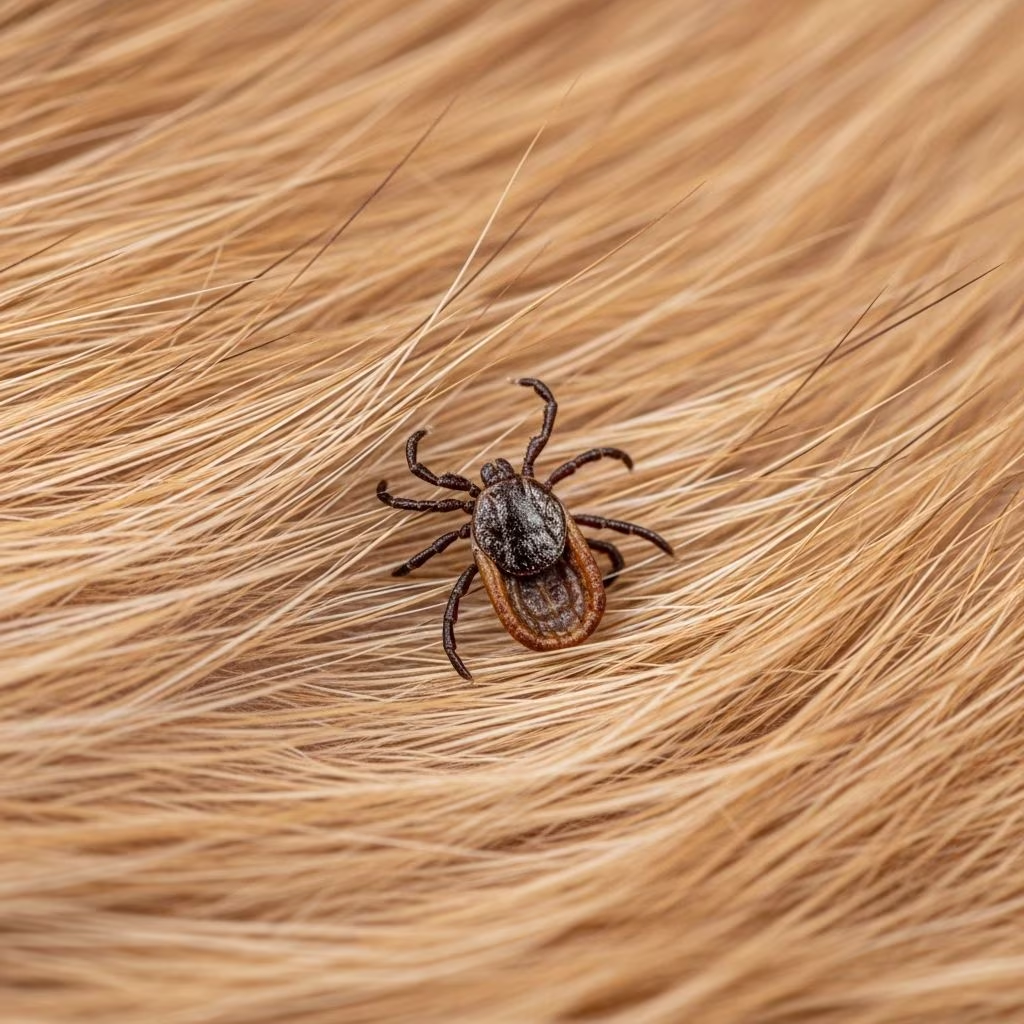
Discovering a tick on your dog—whether alive, dead, or partially attached—can be unsettling for any pet owner. While finding a dead tick might initially seem like good news, it raises important questions about how long it was feeding, what diseases it may have transmitted, and what steps you should take next. This comprehensive guide explores what it means when you find a dead tick on your dog, the potential health implications, and the actions you should take to protect your pet’s wellbeing.
What Does a Dead or Dried Tick Look Like?
A dead tick may appear shriveled, discolored, or flattened compared to an active tick. Dried ticks can look like small, crusty bumps on the skin or fur. Some pet owners mistake old tick bite sites or scabs for actual ticks. The key difference is that a dead tick will not move when touched, whereas a live tick will attempt to burrow deeper or move across the skin. A fully engorged tick that has died may appear dark brown or black, while a tick that has not fed extensively may look smaller and grayer.
How Long Do Ticks Typically Remain Attached to Dogs?
Ticks can remain attached to dogs for extended periods, with feeding durations varying by species and life stage. Adult ticks may feed for 7–10 days or longer, while nymphs (immature ticks) can feed for 3–4 days. Larvae feed for shorter periods. The longer a tick feeds, the more dangerous it becomes, as the toxicity of tick saliva increases as the tick engorges with blood, peaking 4–5 days after attachment. This extended feeding period creates a window of opportunity for disease transmission. If you discover a dead tick, it may have been feeding for days or even weeks before dying, raising concerns about potential pathogen exposure.
Why Might a Tick Die While Attached to a Dog?
Several factors can cause a tick to die while attached to your dog. Environmental conditions, such as extreme temperatures or low humidity, can be fatal to ticks. Additionally, some dogs naturally have immune responses that can kill parasites. Accidental injury—such as scratching, grooming, or your dog rolling on the tick—can damage the tick’s body or dislodge it, leading to death. In rare cases, naturally occurring infections or parasites that target ticks can cause mortality. However, the presence of a dead tick does not eliminate the risk of infection or disease transmission; in fact, a decomposing tick can potentially release pathogens into the bite wound.
Health Risks Associated with Tick Bites: What You Need to Know
Even if a tick is dead, the damage may already be done. Tick bites in dogs carry several potential health consequences:
Bacterial Infection at the Bite Site
One of the most common complications following a tick bite is localized skin infection. Signs of infection around the bite site include redness, swelling, warmth, pain, and drainage. These symptoms typically appear a few days after the tick bite. Infections are especially common if the tick was removed improperly, leaving behind mouthparts or head fragments embedded in the skin. Bacteria from the tick’s mouth can enter the dog’s body through the bite wound, leading to secondary infections that may require antibiotic treatment.
Transmission of Tick-Borne Diseases
Ticks transmit numerous diseases to dogs, with some of the most common including:
- Lyme Disease: Caused by the bacterium Borrelia burgdorferi and transmitted by deer ticks (Ixodes scapularis), Lyme disease can cause fever, lethargy, joint pain, loss of appetite, and lameness. In severe cases, it affects the neurological system and causes kidney damage.
- Rocky Mountain Spotted Fever: Transmitted by several tick species, this disease causes fever, stiffness, neurological problems, and skin lesions, typically lasting about two weeks, though serious cases can be fatal.
- Ehrlichiosis and Anaplasmosis: These bacterial infections can cause fever, lethargy, and joint pain, and may progress to serious complications if left untreated.
A critical concern is that many tick-borne diseases show no symptoms for the first few months, making early detection difficult. The longer an infection goes undetected, the greater potential for organ damage, particularly to the kidneys.
Tick Paralysis
Tick paralysis is a serious neurotoxic condition caused by toxins in tick saliva. This condition progresses rapidly, beginning with weakness and loss of coordination—often starting in the hind limbs and ascending to all four limbs—and can result in complete paralysis. Clinical signs can appear as early as 12 hours after a tick begins feeding, with toxicity intensifying at higher temperatures. If left untreated, tick paralysis can affect the diaphragm and compromise breathing, becoming a medical emergency. The condition can be fatal if ticks are not removed promptly and veterinary care is not obtained.
What Should You Do If You Find a Dead Tick on Your Dog?
Safe Removal Techniques
If you discover a dead tick on your dog, proper removal is essential. Use fine-tipped tweezers or a specialized tick removal tool to grasp the tick as close to the skin as possible. Pull steadily and straight out—avoid twisting or jerking, which can cause the body to separate from the head. After removal, place the tick in a sealed container or bag for identification if needed. Clean the bite area with soap and water.
Critically, avoid these common mistakes when removing ticks:
- Burning the tick with a hot object
- Killing the tick while still attached
- Lubricating the tick with oil or petroleum jelly
- Twisting the tick’s body during removal
These methods can cause the tick to release additional toxins or pathogens into your dog’s bloodstream.
Managing Residual Mouthparts
If a tick’s head or mouthparts remain embedded after removal, do not attempt to extract them yourself with repeated tweezers attempts. While the tick body is dead and cannot transmit disease, remaining mouthparts can still cause local inflammation and serve as a focal point for infection. If you suspect mouthparts are embedded, contact your veterinarian. They can safely remove any residual parts and prescribe antibiotics if infection develops.
Post-Removal Monitoring and Testing
After removing a tick, monitor your dog closely for signs of illness. Most veterinarians recommend performing a tick-transmitted disease screening blood test a few weeks after the bite. This bloodwork tests for Lyme disease, ehrlichiosis, anaplasmosis, and other pathogens. Early detection allows for prompt antibiotic treatment, typically with medications like Doxycycline administered over four weeks.
When to Seek Veterinary Care
Contact your veterinarian immediately if your dog displays any of the following symptoms:
- Loss of appetite or reluctance to eat
- Lethargy or unusual tiredness
- Joint stiffness or soreness, particularly in the legs
- Fever or elevated body temperature
- Difficulty walking or lameness
- Weakness or progressive loss of coordination
- Respiratory distress or difficulty breathing
- Behavioral changes or confusion
Additionally, if you notice a rash or increasing redness around the tick bite site, or if the area becomes warm, swollen, or begins to drain, seek veterinary care promptly.
Preventing Future Tick Infestations
Year-Round Prevention Strategies
The most effective approach to protecting your dog from the dangers of ticks is prevention. Work with your veterinarian to develop a personalized parasite control plan that considers your dog’s lifestyle, geographic location, and individual risk factors. Options include:
- Topical treatments: Applied directly to the skin, typically monthly, these prevent ticks from attaching or kill them upon contact.
- Systemic treatments: Administered orally or by injection, these circulate through the bloodstream to kill parasites.
- Tick collars: Some newer collars provide extended protection over several months.
- Tick shampoos and dips: Useful for immediate relief during active infestations, though not long-lasting.
Environmental Management
Reduce tick populations in your yard by maintaining shorter grass, removing leaf litter, and creating barriers between wooded areas and your lawn. If you suspect a serious infestation in your home, contact a professional exterminator.
After-Outing Inspections
After outdoor activities, especially in wooded or grassy areas, thoroughly inspect your dog’s entire body for ticks. Pay special attention to warm areas like the ears, armpits, groin, and between the toes, as ticks prefer these locations. Daily inspections during peak tick season (spring through fall) can catch ticks before they’ve been feeding long enough to transmit disease.
Special Considerations for High-Risk Dogs
Field dogs, hunting dogs, and pets that spend considerable time in tick-infested environments face elevated risk of tick-borne diseases. These dogs should receive preventive treatments before outdoor excursions and be inspected more frequently. Additionally, puppies, senior dogs, and dogs with compromised immune systems may be more susceptible to severe complications from tick-borne illnesses and warrant extra vigilance.
Understanding the Broader Context of Tick Safety
Finding a dead tick on your dog serves as a reminder that even though the tick is no longer a threat, your dog may have already been exposed to pathogens. This is particularly true if the tick had been feeding for several days. The dead tick is evidence that your current prevention strategy may need enhancement. Consulting with your veterinarian about upgrading to more robust preventive measures can help protect your dog going forward.
In conclusion, discovering a dead tick on your dog requires prompt action and careful monitoring. While the tick itself poses no further danger, the bite wound and potential disease exposure demand attention. Proper removal, diligent post-removal care, and a commitment to ongoing prevention are essential components of responsible pet ownership in tick-prone regions.
References
- The Potential Consequences Of A Tick Bite In Dogs — Kingsdale Veterinary Clinic. 2024. https://www.kingsdale.com/the-potential-consequences-of-a-tick-bite-in-dogs
- Tick Removal: Procedure, Prevention and Risks — Healthline. 2023. https://www.healthline.com/health/tick-removal
- The Health Risks of Fleas and Ticks — American Animal Hospital Association (AAHA). 2024. https://www.aaha.org/resources/the-health-risks-of-fleas-and-ticks/
- Can Dogs Get Sick from Ticks? — Wag Walking. 2023. https://wagwalking.com/wellness/can-dogs-get-sick-from-ticks
- Canine Tick-Borne Disease — AKC Canine Health Foundation. 2024. https://www.akcchf.org/disease-history/canine-tick-borne-disease/
- How to Remove a Tick Head from a Dog or Cat — Your Pet and You (Elanco). 2023. https://yourpetandyou.elanco.com/us/parasites/ticks/how-to-remove-a-tick-head
- Tick Removal — StatPearls, NCBI Bookshelf. National Center for Biotechnology Information. 2024. https://www.ncbi.nlm.nih.gov/books/NBK441855/



