

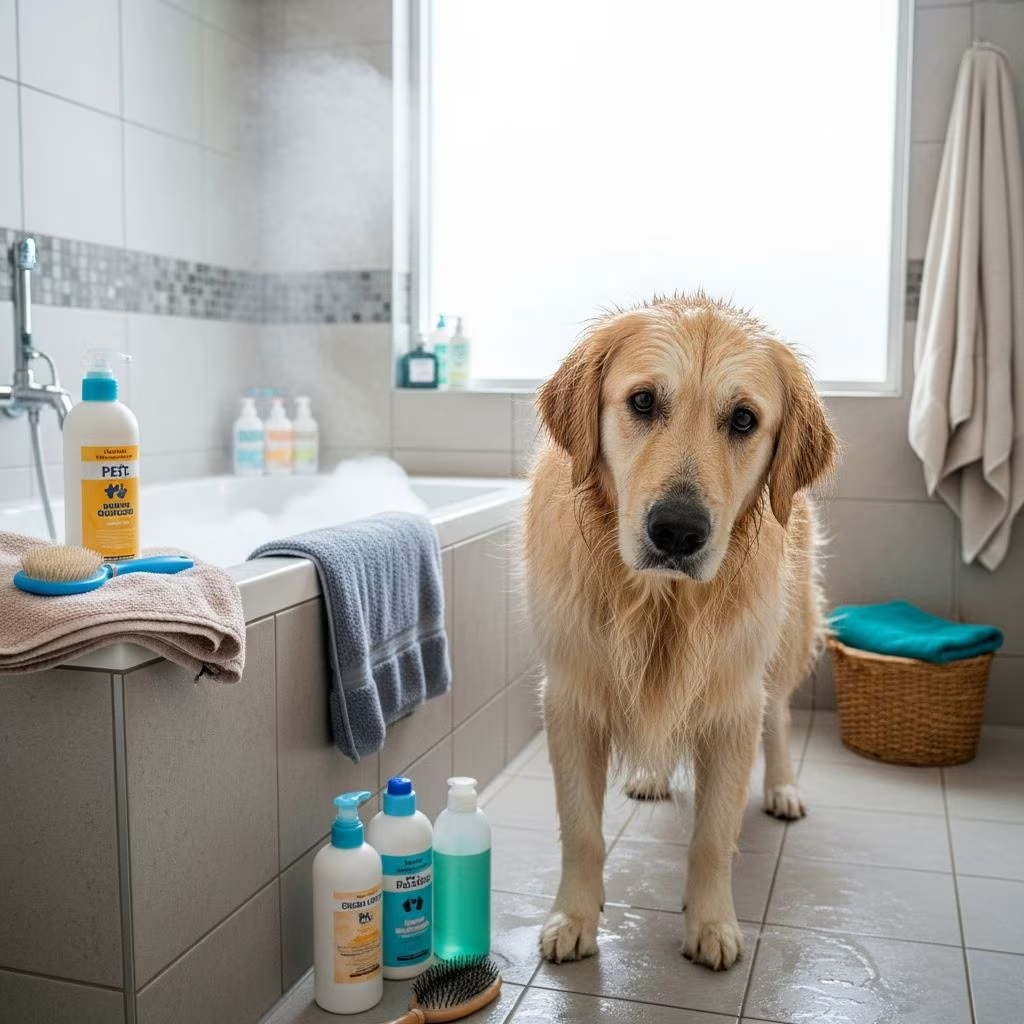
When a skunk targets your dog, the pungent thiol-based spray clings stubbornly to fur and skin, creating a nightmare odor that can linger for weeks. Acting swiftly with the right neutralizing agents breaks down these sulfur compounds, restoring freshness without damaging your pet’s coat or health.
Understanding Skunk Spray and Its Effects on Dogs
Skunk spray contains thiols and thioacetates, volatile chemicals that bind to proteins in fur, skin, and fabrics, producing an intense smell detectable at low concentrations. Exposure often causes immediate eye irritation, drooling, nausea, or temporary blindness in dogs, especially if sprayed in the face. While rarely fatal, severe cases may trigger allergic reactions requiring veterinary care.
Dogs in urban or rural areas encounter skunks at dawn, dusk, or night when these nocturnal animals forage. Curious sniffing leads to defensive spraying, typically aimed at the face, chest, and front legs. The oils in the spray spread easily, contaminating surroundings upon contact.
Immediate Response: First Actions After a Skunk Encounter
Keep your dog outdoors to prevent odor spread indoors. Avoid wetting the fur initially, as water activates latent thioacetates, intensifying the stench. Check eyes for redness or squinting; flush gently with cool water or saline eyewash if needed, but seek a vet for direct facial hits.
- Confine the dog to a contained outdoor area.
- Assess for vomiting, disorientation, or breathing issues—call a vet if present.
- Gather supplies: 3% hydrogen peroxide, baking soda, dish soap (like Dawn), gloves, and towels.
DIY De-Skunking Recipe: The Gold Standard Mixture
The most reliable homemade solution oxidizes thiols using hydrogen peroxide and baking soda, with dish soap emulsifying the oils. This outperforms masking agents like tomato juice, which merely dilute without neutralizing.
Ingredients (for a medium dog; scale up for larger breeds)
| Ingredient | Quantity | Purpose |
|---|---|---|
| 3% Hydrogen Peroxide | 1 quart | Oxidizes sulfur compounds |
| Baking Soda | 1/4 cup | Releases oxygen to break down thiols |
| Dish Soap (e.g., Dawn) | 1-2 teaspoons | Cuts greasy oils |
Application Steps
- Mix fresh in an open bowl—never store, as pressure buildup risks explosion.
- Wear gloves; apply to dry fur, massaging from head to tail, avoiding eyes and mouth.
- Focus on heavily sprayed areas like face, chest, and paws; use a sponge near sensitive zones.
- Let sit 5-20 minutes (or until dry for deep penetration, per groomer advice).
- Rinse thoroughly with cool water.
- Follow with pet shampoo and conditioner to restore coat health.
- Towel-dry and keep warm indoors.
Repeat if odor persists, but limit peroxide use to avoid bleaching light fur.
Commercial Products: Fast and Reliable Alternatives
Products like Nature’s Miracle Skunk Odor Remover or Skunk-Off target thiols enzymatically or chemically, ideal for field use or severe cases. Spray on, let sit, then rinse—many are bleach-free and safe for repeated application.
- Pros: Pre-mixed, no explosion risk, often scented.
- Cons: Costlier than DIY; check for pet-safe formulas.
For hunting dogs, carry portable sprays for immediate field treatment before full baths.
Special Care for Facial Sprays and Sensitive Areas
Facial exposure demands caution: flush eyes with pet eyewash or vet-recommended saline. Dilute vinegar (1:1 with water) works gently around the mouth. Monitor for swelling or prolonged discomfort—vets may prescribe anti-inflammatories.
Affected dogs may paw at eyes or roll excessively; separate from other pets to avoid spread.
Eliminating Lingering Odor: Home and Fabric Cleanup
Skunk oils transfer easily. Clean collars, leashes, and crates with the same DIY mix. For indoor contamination:
- Ventilate with fans and open windows.
- Place vinegar bowls or activated charcoal absorbers.
- Boil vinegar to neutralize airborne particles.
- Wash fabrics in cold water with enzyme detergents; air-dry.
Vehicle interiors? Wipe surfaces with the mixture, then shampoo upholstery.
Health Risks and When to See a Vet
Most dogs recover fully, but watch for anemia from red blood cell damage (rare in small sprays) or anaphylaxis. Symptoms like lethargy, pale gums, or seizures warrant emergency care. Puppies, seniors, and small breeds are vulnerable.
Prevention Strategies: Keep Skunks at Bay
Reduce encounters with motion lights, fencing, and professional skunk relocation. Train recall commands for dusk walks; use citrus peels or ammonia-soaked rags as deterrents around yards.
| Method | Effectiveness | Notes |
|---|---|---|
| Secure trash bins | High | Eliminates food attractants |
| Motion-activated sprinklers | Medium-High | Startles without harm |
| Neuter/Spay dogs | Medium | Reduces roaming curiosity |
Common Myths Busted: What Doesn’t Work
Tomato juice only masks temporarily, reactivating on wetting. Regular shampoos spread oils without neutralization. Bleach is toxic—avoid entirely.
Frequently Asked Questions (FAQs)
Will the smell fade on its own?
Yes, but it takes 2-4 weeks as oils degrade naturally. Proper treatment shortens to hours.
Is skunk spray toxic to dogs?
Not lethal usually, but causes irritation. Severe exposure needs vet evaluation.
How to de-skunk clothes or skin?
For skin: peroxide mix, rinse, moisturize. Clothes: cold wash with baking soda/peroxide pretreatment, air-dry.
Can I use this on cats?
Similar recipe, but consult a vet first due to grooming habits.
What if my dog was sprayed in the eyes?
Flush immediately; vet visit essential for drops or checks.
Long-Term Coat Care Post-De-Skunking
Peroxide may dry fur—use oatmeal shampoos weekly. Brush regularly to distribute oils. Annual vet checkups catch sensitivities early.
References
- What to Do When a Skunk Sprays Your Dog — Humane World. Accessed 2026. https://www.humaneworld.org/en/resources/de-skunking-your-dog
- How to Remove Skunk Scent (And No, It’s Not Tomato Juice) — Nature.org Blog. 2022-06-21. https://blog.nature.org/2022/06/21/how-to-remove-skunk-scent-from-dogs-and-no-its-not-tomato-juice/
- How to De-Skunk a Dog — MeatEater. Accessed 2026. https://www.themeateater.com/hunt/dog/how-to-de-skunk-a-dog
- Dog Sprayed By Skunk in The Face: What to Do — Sunset Anytime Blog. Accessed 2026. https://sunsetanytime.com/blog/dog-sprayed-by-skunk-in-the-face/
- Remove Skunk Smell From Dog- Using Household Products — McCann Dog Training (YouTube). 2018-05-11. https://www.youtube.com/watch?v=5JQCJ-IqnAA
- What to do if your dog gets skunked — VCA Animal Hospitals. Accessed 2026. https://vcahospitals.com/resources/conditions-dog/skin-coat/what-to-do-if-your-dog-gets-skunked



