

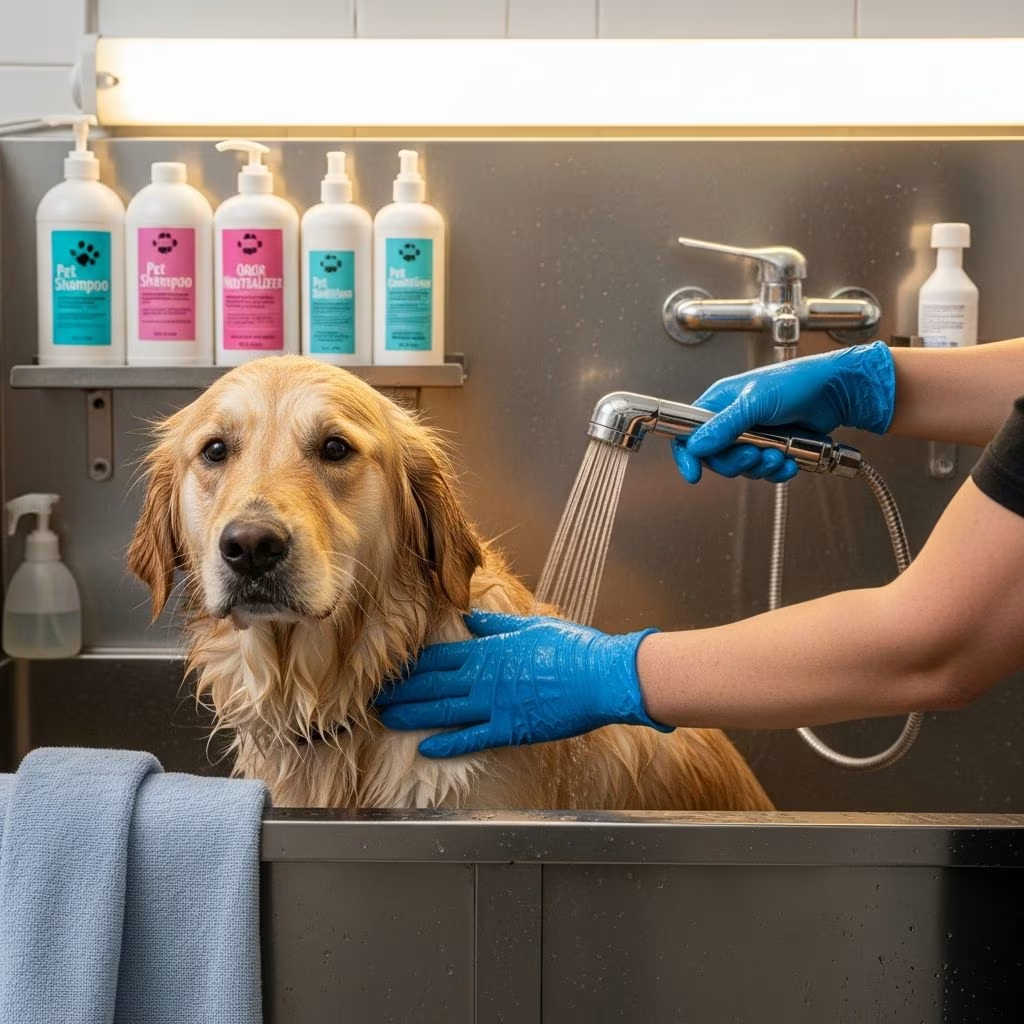
Skunk encounters leave a potent, lingering stench on dogs that can infiltrate homes and fabrics. This guide details reliable methods to neutralize the spray’s thiol compounds, prioritizing pet safety and efficacy based on veterinary recommendations.
Understanding Skunk Spray Chemistry
Skunk spray contains thiols and thioacetates, oily chemicals that bind to fur and skin, evading simple washing. These compounds require oxidation to break down, explaining why tomato juice—a common myth—merely masks odors temporarily without addressing the root cause.
Immediate action prevents the smell from setting. Keep your dog outdoors during treatment to avoid indoor contamination. Check for eye irritation first: flush with cool water or saline if redness or squinting occurs.
Top DIY De-Skunking Recipe
The most effective homemade solution uses common pantry staples to oxidize and emulsify skunk oils. Prepare fresh each time, as it loses potency quickly.
- 1 quart 3% hydrogen peroxide (pharmacy grade)
- 1/4 cup baking soda
- 1-2 teaspoons liquid dish soap (grease-cutting formula like Dawn)
Application Steps:
- Wet dog’s coat thoroughly with lukewarm water outdoors.
- Mix ingredients in an open container; apply immediately with gloved hands, massaging into fur, avoiding eyes.
- Let sit 5-10 minutes max to prevent bleaching.
- Rinse completely with hose or tub water.
- Follow with pet shampoo and conditioner for normal scent.
This trio works synergistically: peroxide oxidizes thiols, baking soda neutralizes, and soap lifts oils. Repeat if needed for heavy sprays.
Alternative Household Remedies
If peroxide is unavailable, these options provide partial relief.
Vinegar Rinse
Dilute white vinegar 1:1 with water. Soak fur, let sit 5 minutes, rinse. It cuts oils mildly but may leave a temporary vinegar scent that fades. Safe for multiple uses; ideal for light exposures.
Lemon Extract Boost
Add 1/4 cup fresh lemon juice to the primary recipe or use standalone in warm water rinse. Citric acid aids breakdown, but test for skin sensitivity.
| Method | Effectiveness | Pros | Cons |
|---|---|---|---|
| H2O2 + Baking Soda + Soap | High | Fast, thorough | May bleach fur |
| Vinegar Rinse | Medium | Cheap, gentle | Lingering smell |
| Lemon Juice | Medium | Natural acid | Potential irritation |
Commercial Skunk Odor Eliminators
Products with ordenone or thiol-targeting enzymes outperform DIY for severe cases. Examples include Nature’s Miracle Skunk Odor Remover and Skunk-Off, which chemically alter spray molecules.
- Apply per label: spray, lather, rinse.
- Concentrates save money and storage space.
- Pet-safe, no-bleach formulas available.
Veterinarians endorse these for efficiency, especially on faces or repeated incidents. Stock in hunting or pet kits.
Safety Precautions for Eyes, Skin, and Fur
Skunk spray irritates mucous membranes. For facial hits:
- Flush eyes with saline or water immediately.
- Avoid peroxide near eyes; use vet saline drops.
- Monitor for swelling—seek vet if persists.
Dark-furred dogs risk bleaching; limit exposure time. Sensitive skin breeds (e.g., Bulldogs) may need moisturizing post-bath. Towel-dry and warm indoors.
Cleaning Your Home and Belongings
Skunk oils transfer easily. Act fast:
- Clothes/Fabrics: Pretreat with baking soda paste, wash cold with vinegar. Air dry outdoors.
- Surfaces: Vinegar bowls or boiled vinegar neutralizes air. Fans and open windows essential.
- Cars/Kennels: Enzyme sprays; steam clean upholstery.
Odor fades naturally over weeks but treatments accelerate.
Prevention Strategies for Outdoor Dogs
Reduce risks:
- Secure yards with fencing; bury chicken wire 12 inches deep.
- Illuminate paths at night—skunks are nocturnal.
- Hunting dogs: Carry de-skunk kits.
- Train recall to avoid wildlife.
Humane deterrents like motion lights or citrus peels work without harm.
Common Myths Debunked
- Tomato Juice: Masks only; doesn’t neutralize.
- Regular Soap: Spreads oils, worsens smell.
- Hot Water: Sets odor permanently.
Frequently Asked Questions
How long does skunk smell last on a dog?
Untreated, weeks to months; proper de-skunking resolves in 1-2 baths.
Can I use bleach?
No—toxic to pets. Stick to peroxide mixtures.
What if my dog was sprayed in the mouth?
Flush gently; vet check for burns. No home remedies inside mouth.
Is the smell harmful?
Non-toxic but irritating; severe exposure may cause anemia from red blood cell damage—rare, vet if lethargic.
Best for puppies or small dogs?
Halve recipe volumes; shorter sit times.
Long-Term Odor Management
Post-treatment, use odor-neutralizing pet sprays weekly. Brush fur to distribute natural oils. Professional grooming quarterly prevents buildup.
References
- How to Get Skunk Smell Off Your Dog — Wilco Farm Stores. 2023. https://www.farmstore.com/blog/how-to-get-skunk-smell-off-your-dog
- How to Remove Skunk Scent (And No, It’s Not Tomato Juice) — The Nature Conservancy. 2022-06-21. https://blog.nature.org/2022/06/21/how-to-remove-skunk-scent-from-dogs-and-no-its-not-tomato-juice/
- How to Get Skunk Smell Off Your Dog — American Kennel Club. 2023. https://www.akc.org/expert-advice/health/dog-sprayed-by-skunk/
- How to De-Skunk a Dog — MeatEater. 2023. https://www.themeateater.com/hunt/dog/how-to-de-skunk-a-dog
- What to Do When a Skunk Sprays Your Dog — Humane World for Animals. 2023. https://www.humaneworld.org/en/resources/de-skunking-your-dog



