

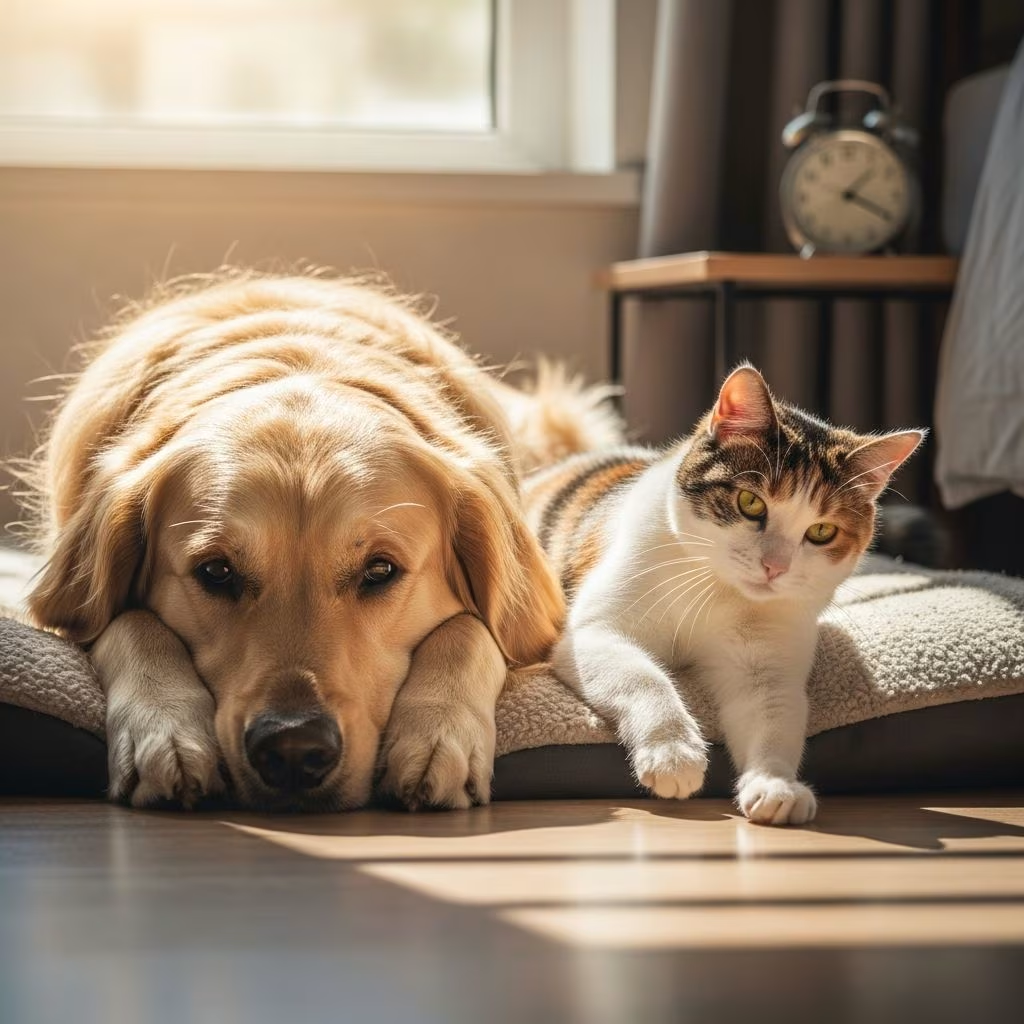
Understanding Daylight Saving Time and Your Pets
Twice a year, millions of pet owners adjust their clocks for daylight saving time, but this seemingly simple change can significantly impact our furry companions. While humans can adapt to losing or gaining an hour with a few cups of coffee, pets experience this transition quite differently. Dogs and cats rely heavily on their internal biological clocks, known as circadian rhythms, which regulate their daily activities including eating, sleeping, and bathroom breaks. When we suddenly shift our schedules by an hour, our pets can become confused and stressed, leading to behavioral changes and disruptions in their routines.
How Daylight Saving Time Affects Your Pet’s Internal Clock
Pets are inherently creatures of habit and thrive on predictability. Their internal clocks are finely tuned to environmental cues, particularly the light-dark cycle and the routines their owners establish. Unlike humans, who can intellectually understand that clocks have changed, pets don’t possess this ability to rationalize the time shift. Instead, their bodies continue operating on the old schedule, creating a mismatch between their biological expectations and the new routine you’ve implemented.
Dogs are particularly sensitive to these changes because they respond directly to daylight patterns. When the sun rises and sets at different times, it signals their bodies about when to wake, eat, play, and sleep. This biological synchronization has evolved over thousands of years, making it deeply ingrained in their physiology. Cats experience similar effects, though they may express their confusion differently than dogs.
Common Signs Your Pet Is Struggling with the Time Change
The behavioral changes your pets exhibit during daylight saving time are not willful misbehavior—they’re biological responses to disrupted routines. Recognizing these signs helps you understand what your pet is experiencing and allows you to respond with appropriate support and patience.
Dogs May Experience:
- Increased anxiety or restlessness
- Accidents in the house, despite being housetrained
- Digestive upset or nervous stomach
- Begging for food or water at their old scheduled times
- Excessive barking or whining
- Altered sleep patterns
- Reluctance to go outside at new times
Cats May Show:
- Early morning protests or vocalization before their new feeding time
- Litter box accidents
- Changes in sleep patterns
- Increased demand for attention
- Behavioral changes in outdoor access routines
- Altered grooming habits
The Importance of Gradual Adjustment
The most effective way to minimize stress during daylight saving time is to gradually transition your pet’s schedule rather than making an abrupt change. This gradual approach works because it allows your pet’s internal clock to naturally adjust to the new timing without shocking their system. By making small incremental changes, you’re essentially mimicking how their body would naturally adjust to seasonal changes in daylight.
Starting your gradual adjustment several days before the official time change gives your pet ample opportunity to acclimate. Most experts recommend beginning this transition about three to seven days in advance, depending on your pet’s sensitivity to routine changes.
Step-by-Step Guide to Gradual Schedule Adjustment
Implementing a gradual schedule change requires planning and consistency, but the effort pays dividends in preventing behavioral problems and reducing your pet’s stress levels.
For Dogs:
Week Before Time Change: Begin shifting your dog’s schedule in 15-minute increments. Move their feeding time 15 minutes earlier (in spring) or later (in fall) each day. Do the same for their walk times and bedtime routines. This means on Day 1, feed them 15 minutes early; on Day 2, feed them 30 minutes early, and so on, until you’ve shifted the entire hour by the time the clocks change.
Walking Schedule: Gradually adjust your walking times to match the new daylight schedule. This is particularly important because dogs associate specific times with outdoor activities, and maintaining consistent walk times helps regulate their bathroom habits and energy levels.
Extended Potty Breaks: During the transition period, add several extra minutes to your dog’s daily walks to allow them adequate time to fully empty their bladder and bowels as they adjust to the shifted schedule. This preventive measure significantly reduces the likelihood of accidents in your home.
For Cats:
Feeding Time Adjustment: Shift your cat’s feeding schedule by 10 minutes each day leading up to the time change. This gradual approach is often more effective with cats because they tend to be more sensitive to routine disruptions than dogs.
Outdoor Access: If your cat has outdoor access, keep them on a consistent feeding schedule to encourage them to return home at predictable times. This prevents them from taking excessive advantage of the lighter or darker evenings to wander further than usual.
Bedtime Routine: Gradually adjust your cat’s bedtime by 10 minutes each evening leading up to the time change, if you maintain a specific bedtime routine.
Special Considerations for Pets with Medical Conditions
For most healthy pets, daylight saving time is a temporary inconvenience that resolves within a few days. However, pets with certain medical conditions require special attention during schedule changes. Consistency in medication timing is crucial for pets managing chronic health issues.
Diabetic Pets: Dogs and cats with diabetes often require insulin injections at specific times relative to their meals. The timing of these injections is critical for properly managing blood sugar levels. Always consult your veterinarian before the time change to determine if you should adjust your pet’s insulin schedule.
Epileptic Pets: Pets with seizure disorders may require medications on strict schedules. Schedule changes can potentially impact seizure control, so veterinary guidance is essential.
Cardiac Patients: Pets with heart disease often need medications administered on a precise 24-hour cycle. Discuss with your veterinarian how to manage medication timing during the transition.
Other Chronic Conditions: If your pet takes any medications or supplements on a fixed schedule, contact your veterinarian before the time change to confirm whether adjustments are necessary.
Creating a Stable Environment During the Transition
Beyond adjusting feeding and walking schedules, you can create additional environmental stability to support your pet through the transition.
Lighting Adjustments:
Use artificial lighting strategically to help your pet’s internal clock adjust. If you’re moving toward longer evenings (spring forward), you can use lights to signal bedtime. Conversely, in the fall when evenings become darker earlier, using indoor lighting helps your pet understand the new schedule.
Consistency in Routines:
Maintain all other aspects of your pet’s routine as consistently as possible. Keep play sessions, training times, and affection schedules regular to provide security and predictability during the schedule adjustment period.
Exercise and Mental Stimulation:
Ensure your pet receives adequate physical exercise and mental stimulation during the adjustment period. A tired pet is often a calmer pet, and maintaining exercise routines helps regulate their sleep-wake cycle.
Aging Pets and Sensitive Individuals
Older pets or those with cognitive dysfunction may struggle more significantly with daylight saving time adjustments. Senior dogs and cats have less neuroplasticity, making it harder for them to adapt to routine changes. If you have an aging pet, consider starting the gradual adjustment even earlier—perhaps 7-10 days before the time change.
Similarly, pets with anxiety disorders or those that are naturally sensitive to change may benefit from a slower, more gradual transition. Consult your veterinarian if your pet falls into these categories, as additional support such as calming supplements or behavioral interventions might be helpful.
Outdoor Safety During Darker Evenings
When fall back occurs and evenings become noticeably darker earlier, you may need to adjust your walking times for safety reasons. Earlier darkness means reduced visibility for both you and your pet, increasing the risk of accidents. Consider using reflective collars, leashes, and vests during evening walks, and keep your porch and yard well-lit to aid visibility. If possible, try to complete evening walks before complete darkness falls.
Patience and Understanding During Adjustment
It’s important to remember that any behavioral changes your pet exhibits during the daylight saving time transition are temporary. Most healthy pets adjust within a few days to a week as their internal clocks gradually synchronize with the new schedule. If you’ve implemented a gradual transition plan, the adjustment period should be even smoother.
Maintain patience with your pet during this time. Accidents in the house aren’t a sign of regression in training; they’re a biological response to disrupted routines. Similarly, increased vocalization or attention-seeking behavior reflects your pet’s confusion rather than misbehavior. Responding with extra patience and understanding helps your pet feel secure during the transition.
Frequently Asked Questions
Q: How long does it typically take for pets to adjust to daylight saving time?
A: Most pets adjust within 3-7 days. However, those who experience a gradual schedule transition typically adjust faster and with fewer behavioral issues than those experiencing abrupt changes.
Q: Should I adjust my pet’s medications for daylight saving time?
A: This depends on the specific medication and your pet’s condition. Always consult your veterinarian before the time change to determine if medication timing adjustments are necessary, particularly for insulin, seizure medications, or cardiac drugs.
Q: Will my pet’s circadian rhythm adjust on its own without my intervention?
A: Yes, pets will eventually adjust their internal clocks, but the process is faster and less stressful with a gradual schedule transition. Without gradual adjustment, your pet may experience several days of behavioral disruption.
Q: Is daylight saving time more difficult for dogs or cats?
A: Both dogs and cats experience stress from daylight saving time, but they express it differently. Dogs tend to show anxiety and potty accidents, while cats may vocalize early for breakfast or show litter box issues. Individual sensitivity varies regardless of species.
Q: Can I use calming supplements or medications to help my pet through the transition?
A: For some pets, calming supplements or anxiety medications may be beneficial, particularly for those with existing anxiety disorders. Discuss options with your veterinarian, as they can recommend appropriate support based on your pet’s individual needs.
Q: What if I forget to gradually adjust my pet’s schedule before the time change?
A: Don’t panic. While gradual adjustment is ideal, you can still support your pet by adjusting their schedule as soon as you remember and maintaining extra patience for a few days. Your pet will adjust, though the transition may be slightly more challenging.
Q: Should indoor and outdoor cats be handled differently during daylight saving time?
A: Yes. Outdoor cats may take advantage of lighter or darker evenings to roam further. Maintaining consistent feeding schedules helps encourage them to return home on time. You might also consider keeping outdoor cats inside during the transition period if they’re not used to significant routine changes.
References
- How Does Daylight Saving Time Affect Dogs? — American Kennel Club. Accessed November 2025. https://www.akc.org/expert-advice/home-living/daylight-savings-time-affect-dogs/
- How Does Daylight Saving Time Affect Pets? — Fetch Pet Insurance. Accessed November 2025. https://www.fetchpet.com/the-dig/how-daylight-saving-time-affects-pets
- How Daylight Savings Time Affects Your Pets — Four Paws Pet Veterinary Clinic. Accessed November 2025. https://www.fourpawspetvet.com/daylight-savings.pml
- Getting pets ready for when the clocks change — People’s Dispensary for Sick Animals (PDSA). Accessed November 2025. https://www.pdsa.org.uk/pet-help-and-advice/looking-after-your-pet/all-pets/pets-and-daylight-savings
- The National Institute of General Medical Sciences – Circadian Rhythms — National Institutes of Health. Accessed November 2025. https://www.nigms.nih.gov/education/fact-sheets/circadian-rhythms



