

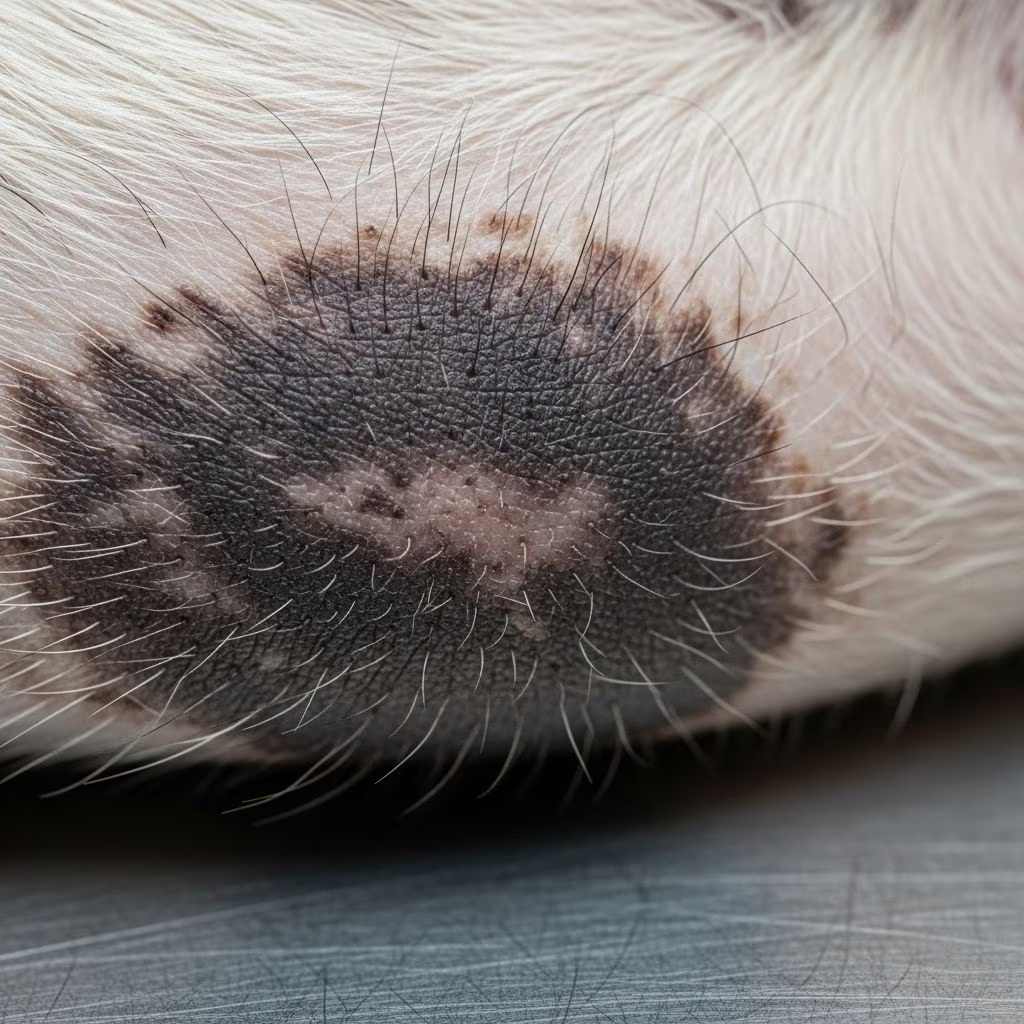
Darkened skin in dogs, known as hyperpigmentation, involves excess melanin production leading to black or gray patches, often with thickening. This condition signals underlying issues from genetics to inflammation, requiring prompt veterinary attention for proper management.
Recognizing the Signs of Skin Darkening
Dogs with hyperpigmentation show visible changes like dark spots, splotches, or widespread discoloration, frequently on the belly, armpits, or groin. Accompanying signs include itchiness, hair loss, greasy texture, foul odor, scaling, redness, or moistness, indicating possible infections or allergies.
- Patches start small but spread with chronic irritation.
- Skin feels thicker or velvety in advanced cases.
- Hair may thin or fall out over affected areas.
- Dogs often lick, scratch, or rub these spots excessively.
Early detection prevents progression; monitor high-friction zones like under legs or collar areas.
Primary vs. Secondary Types Explained
Hyperpigmentation divides into primary and secondary forms, each with distinct origins and prognoses.
| Type | Description | Common Locations | Breed Predisposition |
|---|---|---|---|
| Primary | Genetic, breed-specific disorder (acanthosis nigricans); appears young, no cure but manageable. | Armpits, groin, front legs. | Dachshunds, others. |
| Secondary | Reaction to inflammation, friction, or disease; resolves with root cause treatment. | Belly, axillae, friction sites. | Any breed. |
Genetic Roots: Primary Hyperpigmentation
Primary hyperpigmentation stems from inherited defects, most notably acanthosis nigricans, hitting Dachshunds hardest by age one. Skin darkens and thickens without prior injury, persisting lifelong as a cosmetic issue unless inflamed. Rare cases link to endocrine imbalances, but genetics dominate.
Owners notice velvet-like blackening in folds; without itch, it may need no intervention beyond monitoring for secondary problems.
Triggers of Secondary Skin Darkening
Secondary hyperpigmentation arises from ongoing skin trauma or systemic issues, far more common across breeds.
Inflammation and Allergies
Allergies to food, environment, or fleas cause relentless scratching, sparking melanin overproduction as skin heals. Atopic dermatitis leads to diffuse darkening on trunks or limbs.
Hormonal Imbalances
Hypothyroidism and Cushing’s syndrome (hyperadrenocorticism or pseudo-Cushing’s) prompt widespread darkening, especially in seniors. Golden Retrievers and Dobermans face higher hypothyroidism risks.
Infections and Friction
Bacterial, yeast overgrowth, or parasites inflame skin, fostering pigment buildup. Friction from obesity or rubbing darkens pressure points like elbows.
Other Contributors
- Obesity in Labs, Pugs, Bulldogs thickens and darkens skin.
- Injuries or post-surgical healing cause focal spots.
- Chronic licking from behavioral issues.
How Vets Diagnose Darkened Skin
Diagnosis starts with history, breed, onset age, and lesion mapping. Vets perform skin scrapes, cytology for infections, fungal cultures, and allergy tests.
- Bloodwork checks thyroid, cortisol levels.
- Skin biopsies confirm acanthosis nigricans or rule out neoplasia.
- Trial diets identify food allergies.
Distinguishing primary from secondary guides therapy; post-inflammatory changes fade with control.
Treatment Strategies for Healthier Skin
No primary cure exists, but symptoms ease with targeted care. Secondary types improve by addressing origins.
Topical and Medicated Options
Early intervention uses steroid creams, antimicrobial shampoos to curb inflammation and infections. Regular bathing removes debris, reduces yeast.
Systemic Therapies
Oral antibiotics, antifungals, or steroids tackle deep infections. Hypothyroid dogs thrive on lifelong hormone supplements.
Addressing Root Causes
- Allergy management: Hypoallergenic diets, flea control, immunotherapy.
- Weight loss diets for obese pets.
- Hormone panels and treatments for endocrine disorders.
Progress takes months; patience yields fading pigment as skin normalizes.
Prevention Tips for Pet Owners
Proactive steps minimize risks:
- Maintain ideal weight to cut friction.
- Use flea preventives year-round.
- Introduce novel proteins for allergy-prone dogs.
- Regular grooming and vet checkups spot issues early.
- Avoid irritants like harsh collars.
Living with Chronic Skin Changes
For primary cases, focus shifts to comfort. Medicated baths weekly, infection vigilance, and moisturizers keep skin supple. Many dogs live happily with cosmetic darkening post-management.
Monitor for progression signaling new problems like malignancy, though rare.
Frequently Asked Questions
Is darkened skin painful for my dog?
Not always; primary forms are cosmetic, but secondary often itch due to causes like allergies or infections.
Can diet reverse hyperpigmentation?
Diet aids secondary cases via allergy elimination or weight control, but not primary genetic types.
How long until skin lightens?
Weeks to months after treating underlying issues; primary persists.
Does breed matter?
Yes, Dachshunds prone to primary; others to secondary from obesity or hormones.
When is it an emergency?
Sudden widespread darkening with lethargy or ulcers needs urgent care for systemic disease.
Key Takeaways for Dog Owners
Darkening skin alerts to deeper issues; consult vets promptly. Tailored plans based on type restore comfort and appearance.
References
- Cutaneous hyperpigmentation in dogs — PMC – NIH. 2021. https://pmc.ncbi.nlm.nih.gov/articles/PMC8682925/
- Hyperpigmentation in Dogs — Irvine Pet Hospital. 2024-07-15. https://www.irvinepetcomplex.com/site/blog/2024/07/15/hyperpigmentation-dogs
- What is Hyperpigmentation in Dogs? — Veterinary Dermatology Clinic. N/A. https://www.vetdermclinic.com/what-is-hyperpigmentation-in-dogs-learn-about-this-skin-condition/
- Hyperpigmentation in Dogs — Guilford Jamestown Vet. 2023-12-30. https://www.guilfordjamestownvet.com/site/blog-greensboro-vet/2023/12/30/hyperpigmentation-dogs
- Why Is There Black Spots On Your Dog’s Skin — Chino Valley Animal Hospital. N/A. https://chinovalleyanimalhospital.com/blog/why-is-there-black-spots-on-your-dogs-skin/
- What Is Hyperpigmentation in Dogs — Newtown Vets. 2022-03-15. https://www.newtownvets.com/site/blog/2022/03/15/what-is-hyperpigmentation-in-dogs



