

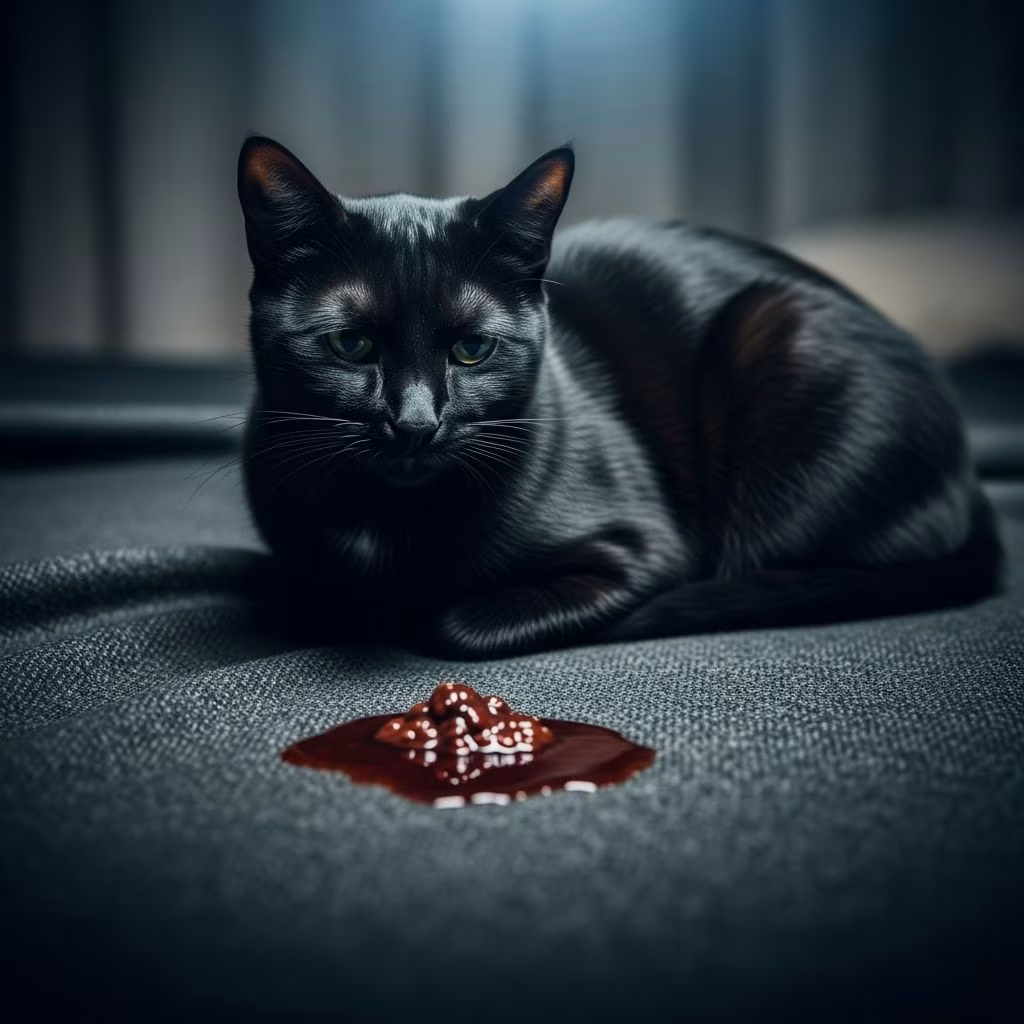
Dark vomit in cats, often appearing like coffee grounds or black tarry material, usually points to digested blood from the upper gastrointestinal tract. This alarming symptom demands immediate veterinary evaluation to identify and address underlying issues ranging from ulcers to poisoning.
Recognizing Dark Vomit and Its Implications
When a cat expels dark, granular vomit, it results from blood that has been partially digested by stomach acids, changing from bright red to a brownish-black hue. Unlike fresh blood, which is vivid red, this appearance suggests bleeding higher in the digestive system, such as the esophagus, stomach, or upper intestines. Pet owners must differentiate this from harmless substances like ingested soil or certain foods, though texture and accompanying symptoms provide clues.
- Texture: Grainy or clotted, mimicking used coffee grounds.
- Color variations: Deep brown to jet black.
- Odor: Sharp, metallic scent from oxidized blood.
Early recognition prevents escalation, as untreated bleeding can lead to anemia, shock, or organ failure. Veterinary sources emphasize that black vomit warrants urgent attention, unlike occasional clear or foamy episodes from hairballs or overeating.
Primary Causes of Dark Vomit in Felines
Several conditions contribute to this symptom, categorized into gastrointestinal, systemic, and external factors. Understanding these helps owners contextualize observations for vets.
Gastrointestinal Disorders
Ulcers in the stomach or intestines erode the mucosal lining, allowing blood to mix with contents. These develop from chronic inflammation, medications like NSAIDs, or bacterial infections. Inflammatory bowel disease (IBD) exacerbates this by causing persistent gut irritation, leading to bloody vomitus over time.
Infections and Parasites
Bacterial, viral, or parasitic invasions damage GI tissues. Feline panleukopenia virus, hookworms, or roundworms irritate linings, prompting bleeding. Severe cases manifest as dark vomit alongside diarrhea or lethargy.
Toxins and Poisoning
Ingestion of rodenticides, household chemicals, or human drugs like aspirin triggers coagulopathies or direct mucosal damage. Anticoagulant poisons prevent clotting, resulting in widespread internal hemorrhage visible as dark vomitus.
Organ Dysfunction
Kidney or liver diseases accumulate toxins, irritating the GI tract and fostering ulcers. Kidney failure, common in older cats, correlates with frequent vomiting containing blood due to uremic gastritis.
| Cause Category | Examples | Associated Risks |
|---|---|---|
| Gastrointestinal | Ulcers, IBD | Chronic bleeding, anemia |
| Infections | Panleukopenia, parasites | Dehydration, sepsis |
| Toxins | Rat poison, NSAIDs | Coagulopathy, shock |
| Systemic | Kidney/liver disease | Multi-organ failure |
Accompanying Symptoms to Monitor
Dark vomit rarely occurs alone; clustered signs accelerate diagnosis.
- Lethargy or weakness, indicating blood loss.
- Pale gums signaling anemia.
- Diarrhea, possibly tarry black (melena).
- Loss of appetite and weight reduction.
- Abdominal tenderness or hunched posture.
- Increased thirst, drooling, or jaundice from organ involvement.
Behavioral shifts like hiding or vocalizing pain further underscore urgency. Track episode frequency, volume, and timing relative to meals for vet reports.
When to Seek Emergency Veterinary Help
Any dark vomit episode necessitates prompt contact with a veterinarian, especially with multiple occurrences or listed symptoms. Delays risk hypovolemic shock from blood loss. Transport tips include withholding food/water en route and noting recent exposures or medications.
Immediate red flags:
- Multiple vomits within 24 hours.
- Visible weakness or collapse.
- Bright blood mixed in.
Diagnostic Approaches for Accurate Identification
Vets employ a multi-step process to pinpoint causes.
- History and physical exam: Reviewing diet, environment, and symptoms.
- Bloodwork: Checking for anemia, organ function, clotting times.
- Imaging: X-rays or ultrasound for obstructions/ulcers.
- Endoscopy: Direct visualization of GI tract.
- Fecal analysis: Parasite detection.
These confirm bleeding sites and rule out differentials like swallowed blood from oral injuries.
Treatment Strategies Tailored to the Cause
Interventions vary by diagnosis but prioritize stabilization.
- Fluid therapy: Corrects dehydration and supports blood pressure.
- Anti-emetics: Reduce nausea (e.g., maropitant).
- Acid reducers: Proton pump inhibitors heal ulcers.
- Antibiotics/Antiparasitics: Target infections.
- Blood transfusions: For severe anemia.
- Surgery: Removes foreign bodies or tumors.
Supportive care like bland diets post-recovery aids healing. Chronic cases may require lifelong management.
Preventive Measures for Cat Owners
Proactive steps minimize risks.
Home Safety: Secure toxins, medications, and plants. Use vet-approved flea/worm preventives routinely.
Dietary Management: Gradual food transitions prevent intolerance. Scheduled feeding curbs gorging.
Regular Check-ups: Annual bloodwork detects early kidney/liver issues in seniors.
Grooming: Brush to reduce hairballs, though not primary dark vomit cause.
Living with a Cat Prone to Vomiting Issues
Cats recovering from GI bleeds benefit from elevated food bowls, stress reduction via pheromones, and monitored weights. Owners should log symptoms in apps for trend spotting, ensuring timely interventions.
Frequently Asked Questions (FAQs)
Is dark vomit always an emergency in cats?
Yes, it typically indicates digested blood and requires immediate vet assessment to prevent complications.
Can diet cause black vomit?
Unlikely; dark hues stem from blood digestion, not food, though dyes might mimic mildly.
How long can I wait before seeing a vet?
Do not delay—contact within hours, especially with other symptoms.
What home remedies help before vet visit?
Withhold food briefly but offer ice cubes; avoid OTC meds toxic to cats.
Does age increase dark vomit risk?
Yes, seniors face higher odds from organ diseases and cancers.
Long-Term Prognosis and Monitoring
Outcomes hinge on cause rapidity. Acute toxin cases recover fully with treatment, while cancers portend guarded prognoses. Follow-up diagnostics ensure resolution, with many cats resuming normal lives post-therapy.
This comprehensive guide equips owners to act decisively, safeguarding feline health against this grave indicator.
References
- Cat Vomit Colour Chart – Pet Drugs Online — Pet Drugs Online. 2023. https://www.petdrugsonline.co.uk/pet-advice/why-is-my-cat-vomiting
- Why Is My Cat Vomiting – Dyer Animal Clinic — Dyer Animal Clinic. 2023. https://dyeranimalclinic.com/blog/why-is-my-cat-vomiting/
- Cat Vomiting Blood: Causes, Treatment, and When to Seek Veterinary Care — Sunshine Pet Hospital. 2024. https://sunshinepethospital.com/cat-vomiting-blood-causes-treatment-and-when-to-seek-veterinary-care/
- Why Is My Cat Vomiting Blood? – PetMD — PetMD. 2025-02-10. https://www.petmd.com/cat/symptoms/why-my-cat-vomiting-blood
- Why Is My Cat Vomiting Blood? | Hill’s Pet US — Hill’s Pet Nutrition. 2024. https://www.hillspet.com/cat-care/healthcare/why-is-my-cat-vomiting-blood



