

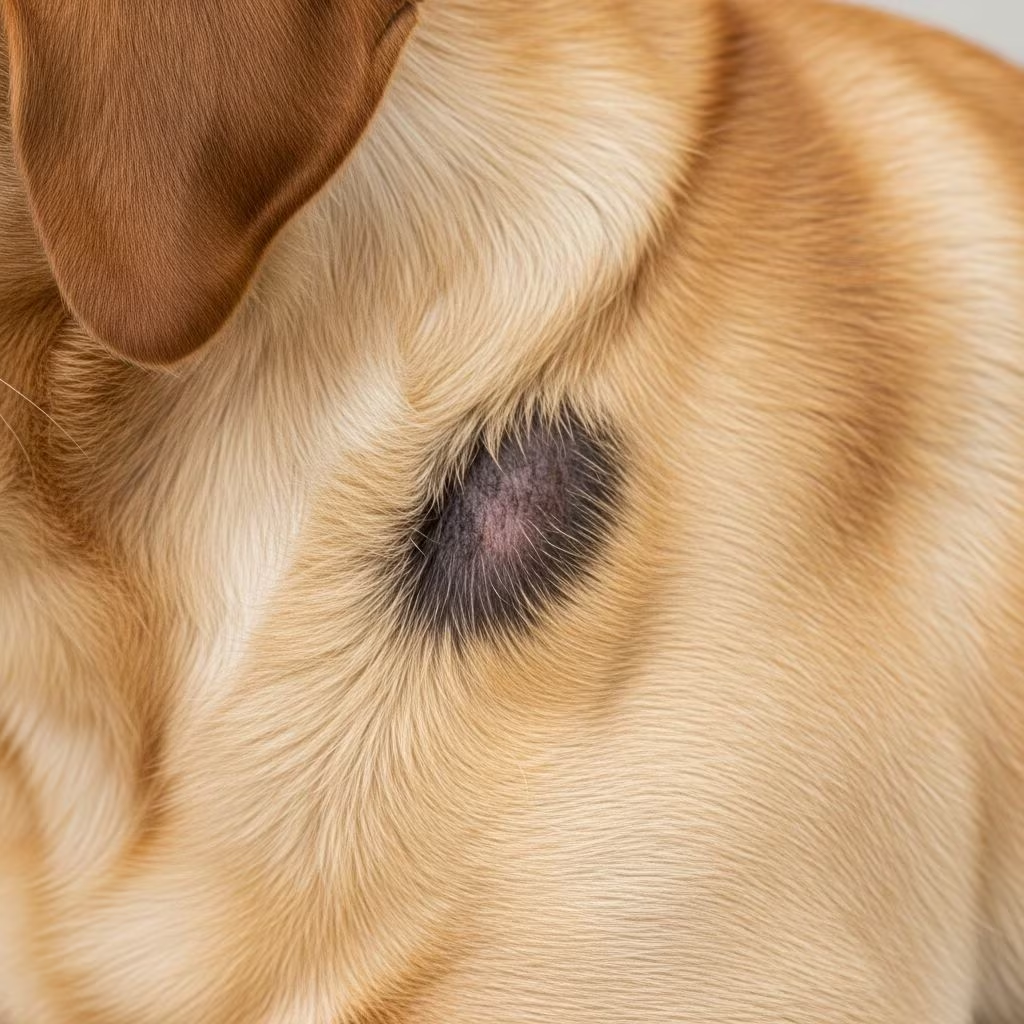
Dark spots on a dog’s skin, often noticed on the belly, legs, or other thin-furred areas, frequently alarm pet owners. These markings, sometimes called liver spots or age spots, result from increased melanin production known as hyperpigmentation. While many cases prove harmless, especially in older dogs, others signal underlying problems like allergies or infections requiring prompt attention.
Understanding Canine Skin Pigmentation
Dogs’ skin contains melanocytes that produce melanin, the pigment giving color to skin, fur, and eyes. Hyperpigmentation occurs when these cells overproduce melanin, leading to darkened patches. This can be primary, a genetic trait in certain breeds, or secondary, triggered by external factors like chronic irritation.
Common locations include the abdomen, armpits, groin, and inner thighs—areas prone to friction or moisture. Flat, non-itchy spots often indicate benign changes, but raised, scaly, or odorous areas warrant closer inspection.
Benign Reasons for Dark Spots
Not all dark spots demand treatment. Several everyday factors cause them without health risks.
- Aging and Sun Exposure: Like humans, senior dogs accumulate melanin buildup, forming age spots on the belly, ears, or nose. These are cosmetic and harmless, with no liver connection despite the name.
- Friction from Daily Life: Rubbing against bedding, collars, or skin folds darkens skin over time, especially in short-haired breeds.
- Post-Inflammatory Changes: Healed minor injuries or irritations leave residual darkening as skin repairs itself.
Breeds like Labrador Retrievers, Boxers, and Dalmatians show these more due to lighter base skin tones.
Health-Related Causes of Darkening
When dark spots accompany other symptoms, they may stem from medical issues. Identifying patterns helps differentiate.
Allergies and Irritations
Allergic reactions prompt excessive licking or scratching, inflaming skin and boosting melanin. Triggers include food proteins, pollen, dust, or fleas. Affected areas turn dark, itchy, and sometimes greasy.
- Flea allergy dermatitis: Intense itching leads to belly and thigh spots.
- Atopic dermatitis: Environmental allergens cause year-round issues.
Infections Invading the Skin
Bacterial or yeast overgrowth thrives in warm, moist spots, causing discoloration alongside odor, greasiness, and hair loss. Malassezia yeast, common in folds, produces rusty-brown patches.
Bacterial pyoderma often follows allergies, forming crusty, dark lesions. Demodex mites burrow, leading to patchy darkening in young or immunocompromised dogs.
Hormonal and Systemic Disorders
Endocrine imbalances alter skin profoundly. Hypothyroidism slows metabolism, yielding symmetrical dark patches, hair thinning, and lethargy. Cushing’s disease (hyperadrenocorticism) causes pot-bellied appearance with abdominal darkening.
Rarer culprits include lupus erythematosus, an autoimmune condition with multi-site pigmentation shifts, or liver dysfunction linked to jaundice—not direct spotting but yellowing.
Spotting Warning Signs
Monitor for red flags distinguishing benign from problematic spots:
| Benign Traits | Concerning Signs |
|---|---|
| Flat, even color | Raised, irregular edges |
| No itching or odor | Redness, scaling, pus |
| Slow development | Rapid spread or growth |
| Isolated to friction areas | Multiple body regions |
| Dog acts normal | Lethargy, appetite loss |
Accompanying hair loss, thickened velvety texture, or behavioral changes like restlessness elevate urgency.
How Vets Diagnose Dark Spots
Professional evaluation starts with history and physical exam, noting spot distribution, duration, and symptoms. Diagnostics include:
- Skin scrapings or cytology for infections/parasites.
- Fungal cultures for yeast.
- Blood panels for hormones, organ function.
- Skin biopsies for tumors or autoimmune issues.
- Allergy testing via intradermal or serum methods.
Early diagnosis prevents progression to chronic skin changes.
Treatment Strategies by Cause
Management targets root issues, not just appearance.
For Allergies
Eliminate triggers: hypoallergenic diets, flea preventives, medicated shampoos. Antihistamines or steroids control flares; immunotherapy builds tolerance long-term.
Infection Control
Topical antifungals/bacterials for mild cases; oral meds for deep infections. Regular cleaning reduces recurrence.
Hormone Therapy
Thyroid supplements for hypothyroidism; Cushing’s treatments vary from medication to surgery.
Benign spots need no intervention beyond moisturizers if dry.
Preventing Dark Spots at Home
Proactive care minimizes risks:
- Groom Regularly: Brush to spot issues early; bathe with vet-approved products.
- Flea Vigilance: Monthly preventives year-round.
- Diet Optimization: Omega-3 supplements support skin barrier.
- Friction Reduction: Soft bedding, properly fitted collars.
- UV Protection: Sunscreen on pink noses/ears for light breeds.
- Weight Management: Obesity worsens folds and infections.
Monthly skin checks normalize early detection.
Frequently Asked Questions
Are liver spots dangerous for dogs?
True liver spots (age-related hyperpigmentation) are harmless, unlike liver disease which causes yellowing, not darkening.
Can diet fix my dog’s dark belly?
Diet aids allergies or deficiencies but consult vets before changes; it won’t reverse genetic pigmentation.
Do all breeds get these spots?
Any dog can, but light-skinned breeds like Pit Bulls or Whippets show them prominently.
When should I worry about new spots?
If itchy, spreading, or with systemic signs like vomiting—see a vet immediately.
Is laser therapy an option?
For cosmetic removal of benign spots, yes, but rarely needed as they pose no health risk.
Long-Term Skin Health Outlook
Most dogs with managed underlying causes enjoy normal lives. Untreated issues lead to discomfort or complications. Routine vet visits ensure timely intervention, keeping skin—and your companion—vibrant.
References
- What causes brown spots on my dog’s belly? — Felipe Garofallo, VetGarofallo. 2023. https://www.vetgarofallo.com/en/post/what-causes-brown-spots-on-my-dog-s-belly
- Whole-body Disorders that Affect the Skin in Dogs — Merck Veterinary Manual. 2024. https://www.merckvetmanual.com/dog-owners/skin-disorders-of-dogs/whole-body-disorders-that-affect-the-skin-in-dogs
- Why Is There Black Spots On Your Dog’s Skin — Chino Valley Animal Hospital. 2023. https://chinovalleyanimalhospital.com/blog/why-is-there-black-spots-on-your-dogs-skin/
- What causes skin color changes in dogs? — Vetster. 2024. https://vetster.com/en/wellness/what-causes-skin-color-changes-in-dogs
- What are these dark patches on my dog’s skin? — Greensboro NC Vet. 2024-02-28. https://www.greensboroncvet.com/site/friendly-animal-clinic-blog/2024/02/28/hyperpigmentation-black-spot-dog-skin
- Hyperpigmentation in Dogs — Irvine Pet Complex. 2024-07-15. https://www.irvinepetcomplex.com/site/blog/2024/07/15/hyperpigmentation-dogs
- Hyperpigmentation in Dogs — PetMD. 2024. https://www.petmd.com/dog/conditions/skin/hyperpigmentation-dogs



