

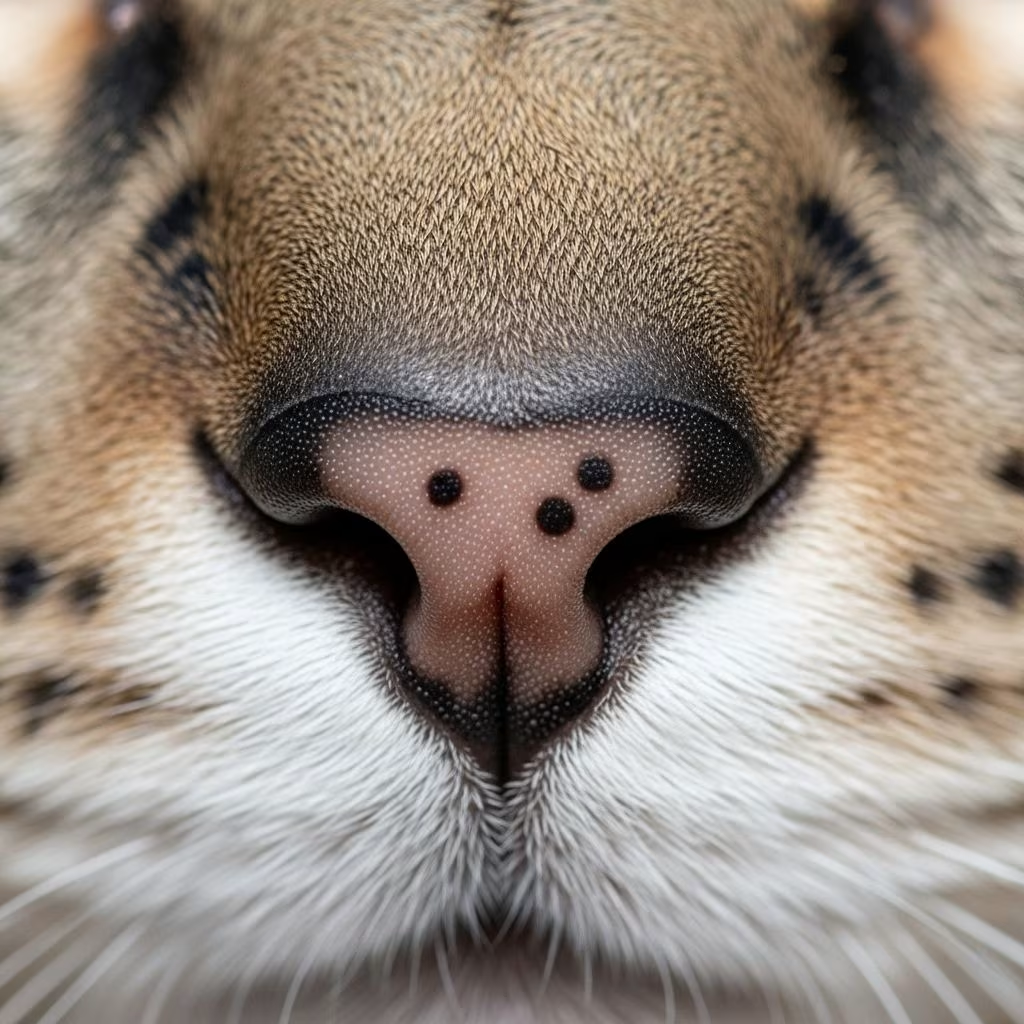
You’re cuddling with your feline companion when you notice something unusual: a dark spot on their nose that wasn’t there before. Naturally, concern sets in. Is this a sign of something serious? Do you need to schedule an emergency veterinary appointment? Understanding what causes dark spots on cat noses can help you determine whether your kitty needs professional care or if it’s simply a harmless cosmetic change.
Spot the Signs: Is a Dark Spot on a Cat’s Nose Normal?
The good news is that many cat caregivers worry unnecessarily about dark spots appearing on their cats’ noses. According to veterinary experts, these spots are often nothing to be concerned about, particularly in certain cat populations. The primary question isn’t whether the spots are present, but rather understanding what they represent and when they might warrant veterinary attention.
“The concern is if these black spots are cancerous, but in reality, the spots are a normal finding in young orange cats,” explains Dr. Adam P. Patterson, DVM, DACVD, a clinical assistant professor at the Texas A&M College of Veterinary Medicine & Biomedical Sciences. This reassurance helps many cat owners breathe easier, though it’s important to understand the full picture of what’s happening with your cat’s nose.
Understanding Lentigo: The Most Common Explanation
The most common reason for dark spots on a cat’s nose is a condition called lentigo simplex. This benign skin condition is characterized by flat, dark brown or black spots that appear on a cat’s skin, particularly in areas with minimal fur coverage like the nose, lips, and around the eyes. The spots are technically called lentigines and are caused by an increased concentration of melanocytes—the cells responsible for producing skin pigment.
“These spots are somewhat comparable to freckles in humans and are not itchy or painful,” Dr. Patterson notes. This comparison to human freckles is particularly helpful for understanding the condition, as it emphasizes that lentigo is a cosmetic concern rather than a medical one in most cases.
Why Certain Cats Are More Prone to Lentigo
Lentigo isn’t related to sun exposure, as some might assume. Instead, it’s linked to genetics, particularly in cats carrying the orange color gene. This explains why specific cat populations are more commonly affected:
– Orange tabby cats- Calico cats- Tortoiseshell cats
Dr. Lou Anne Wolfe, DVM, at Will Rogers Animal Hospital in Oklahoma, confirms this pattern: “The black pigment, sometimes a number of ‘freckles,’ is especially common in orange cats. I see it in their mouths and inside the ear pinnae as well. This is usually normal.” Interestingly, while the spots are most commonly observed on the nose, they can appear throughout various areas of the mouth and ears as well.
When Dark Spots Appear and Develop
Most cat owners notice these spots appearing during their cat’s middle-aged to older years, though they can develop at various life stages. The spots typically begin as very small lesions, measuring 1mm or less, and may appear close together, discoloring a larger area. Some spots may remain stable, while others gradually grow slightly larger over time.
The flat nature of lentigo spots is an important identifying feature. These lesions are not raised, are not painful or itchy, and do not have any associated redness or other discoloration surrounding them. This combination of characteristics helps distinguish lentigo from more serious skin conditions that may require medical intervention.
Other Normal Causes of Nose Color Changes
Beyond lentigo, several other normal physiological processes can affect your cat’s nose appearance and color:
Temperature and Blood Flow
One of the most common reasons for a cat’s nose changing color is temperature regulation. Just like human skin can become flushed or pale depending on circulation, a cat’s nose may lighten or darken due to changes in blood flow. If your cat has been napping in a warm spot, their nose may appear pinker. In colder conditions, reduced circulation can make it look paler or even slightly bluish. This temporary color variation is completely normal and reflects your cat’s body regulating its temperature.
Natural Pigmentation Development
Certain cat breeds and individual genetics can lead to nose color changes over time. Kittens often experience pigmentation development as they grow, which can affect the shade of their noses. This developmental process is entirely natural and part of your kitten’s maturation.
Sun Exposure Effects
If your cat enjoys lounging in sunny spots, their nose may darken due to increased melanin production, similar to how human skin darkens with sun exposure. However, excessive sun exposure can lead to sunburn, particularly in cats with light-colored noses. In some cases, prolonged exposure may contribute to more serious skin conditions, so providing shaded areas for outdoor cats is important.
When to See a Veterinarian
While many dark spots on cat noses are harmless, certain warning signs should prompt you to schedule a veterinary appointment. Dr. Patterson emphasizes an important distinction: “There should be concern if you find raised or inflamed spots that cause soreness and pain. Always have these types of spots examined by your veterinarian.”
Red Flags That Require Veterinary Attention
– Raised or inflamed spots- Spots that appear painful or cause discomfort- Scabbing or crusting around the nose- Swelling in the nasal area- Excessive scratching or licking at the spots- Spots that are growing rapidly or changing appearance- Redness or other discoloration surrounding the spots
“Cats and dogs are prone to sunburn and subsequent skin cancer on noses, ears and around the eyes,” Dr. Patterson continues. “Fair-skinned animals with light-colored hair coats are at the most risk.” This is particularly important for cat owners with light-colored or white cats, who may benefit from preventive measures.
Differentiating Lentigo from More Serious Conditions
Understanding what distinguishes benign lentigo from more serious conditions helps you make informed decisions about your cat’s health. Hyperpigmentation can occur for various reasons, some concerning and others benign.
Allergies and Infections
Sometimes, a cat’s nose may develop dark spots or become darker due to skin inflammation caused by allergies or infections. Bacterial and fungal infections can lead to skin discoloration, crusting, or irritation around the nose. Allergic reactions to food, environmental factors, or even certain cleaning products can also cause changes in pigmentation. If you notice scabbing, swelling, or excessive scratching around your cat’s nose, consult your veterinarian for guidance.
Other Concerning Conditions
While lentigo is the most common explanation for dark spots, your veterinarian may need to rule out other conditions:
– Feline acne- Flea dirt or flea-related dermatitis- Fungal or bacterial infections- Skin cancer- Hormonal disorders
Your vet can provide a hands-on exam to guide your pet’s care and determine whether any intervention is necessary.
Customized Care and Protection
Consulting your veterinarian is always a good idea, especially if your cat has fair pigment. Because your vet knows your cat personally, they can customize a plan to help protect your kitty’s delicate nose. For cats at higher risk of sun damage, this might include limiting outdoor exposure during peak sun hours or applying pet-safe sunscreen to vulnerable areas.
Distinguishing Illness From Other Signs
It’s important to note that changes in nose appearance alone are not necessarily indicators of illness. “Remember that wet or dry noses are not a sign of illness per se,” Dr. Patterson explains. “Whether your pet’s nose is dry or wet is largely related to the temperature and humidity in their environment.”
Instead, look for other signs that better reflect actual illness in your cat:
– Lethargy or lack of energy- Little or no appetite- Weight loss- Vomiting- Diarrhea- Inappropriate urination
If your cat displays these systemic symptoms along with nose changes, medical attention is definitely warranted.
Frequently Asked Questions
Q: Are dark spots on a cat’s nose freckles?
A: Dark spots on cats’ noses are often compared to human freckles, though they’re technically a condition called lentigo. They’re flat, painless, and harmless in most cases, particularly in orange, calico, and tortoiseshell cats. However, a veterinary examination can confirm they’re benign.
Q: Do all orange cats develop lentigo spots?
A: Not all orange cats develop lentigo spots, but they’re much more common in orange tabbies than in other coat colors. The condition is genetic, so some cats will develop multiple spots while others may never develop any.
Q: Can lentigo spots spread or turn into cancer?
A: True lentigo spots are benign and do not turn into cancer. They may increase in number or grow slightly larger over time, but this is normal progression. However, any spot that becomes raised, inflamed, or painful should be evaluated by a veterinarian.
Q: Should I try to remove dark spots from my cat’s nose?
A: No, you should not attempt to remove lentigo spots. They’re benign and don’t cause discomfort. Attempting removal could damage your cat’s delicate nasal tissue. Only a veterinarian should address any spots if medical intervention is necessary.
Q: How can I protect my cat’s nose from sun damage?
A: Provide shaded areas for your cat, especially during peak sun hours (10 AM to 4 PM). For light-colored cats at higher risk, discuss pet-safe sunscreen options with your veterinarian. Limiting outdoor exposure during the hottest parts of the day also helps.
Q: When should I be concerned about dark spots on my cat’s nose?
A: Seek veterinary attention if spots are raised, inflamed, painful, rapidly changing, accompanied by discharge, or causing your cat discomfort. Also consult your vet if your cat shows other symptoms of illness alongside the spots.
Conclusion
Dark spots on your cat’s nose are often nothing to worry about, particularly if your feline friend is an orange, calico, or tortoiseshell cat. The most likely explanation is lentigo simplex, a benign genetic condition comparable to human freckles. These harmless spots are flat, painless, and don’t require treatment.
However, it’s always wise to have any new finding evaluated by your veterinarian, especially if the spots appear raised, inflamed, or are causing your cat discomfort. Your vet can provide peace of mind by confirming the spots are benign or identifying any underlying conditions that may require attention. With proper knowledge and professional guidance, you can keep your beloved cat healthy and happy for years to come.
References
- Why is My Cat’s Nose Changing Color? — North Kenny Veterinary Clinic. 2024. https://northkennyvet.com/blog/cats-nose-changing-color/
- Lentigo Cat Nose: Causes, Symptoms & When to See a Vet — PetsCare. 2024. https://www.petscare.com/news/post/lentigo-cat-nose-guide
- Are Dark Spot on a Cat’s Nose Freckles, or Something More? — Chewy Editors. 2024. https://www.chewy.com/education/cat/health-and-wellness/what-does-a-dark-spot-on-a-cats-nose-mean
- Skin Turning Black (Hyperpigmentation) in Cats — Vetster. 2024. https://vetster.com/en/symptoms/cat/skin-turning-black
- Why does my orange tabby have black spots on his nose and lips? — The Animals Kingdom. 2024. https://www.theanimalskingdom.com/resources/education/why-does-my-orange-tabby-have-black-spots-on-his-nose-and-lips.html
- Lentigo in Cats — Wag! 2024. https://wagwalking.com/cat/condition/lentigo-in-cats



