

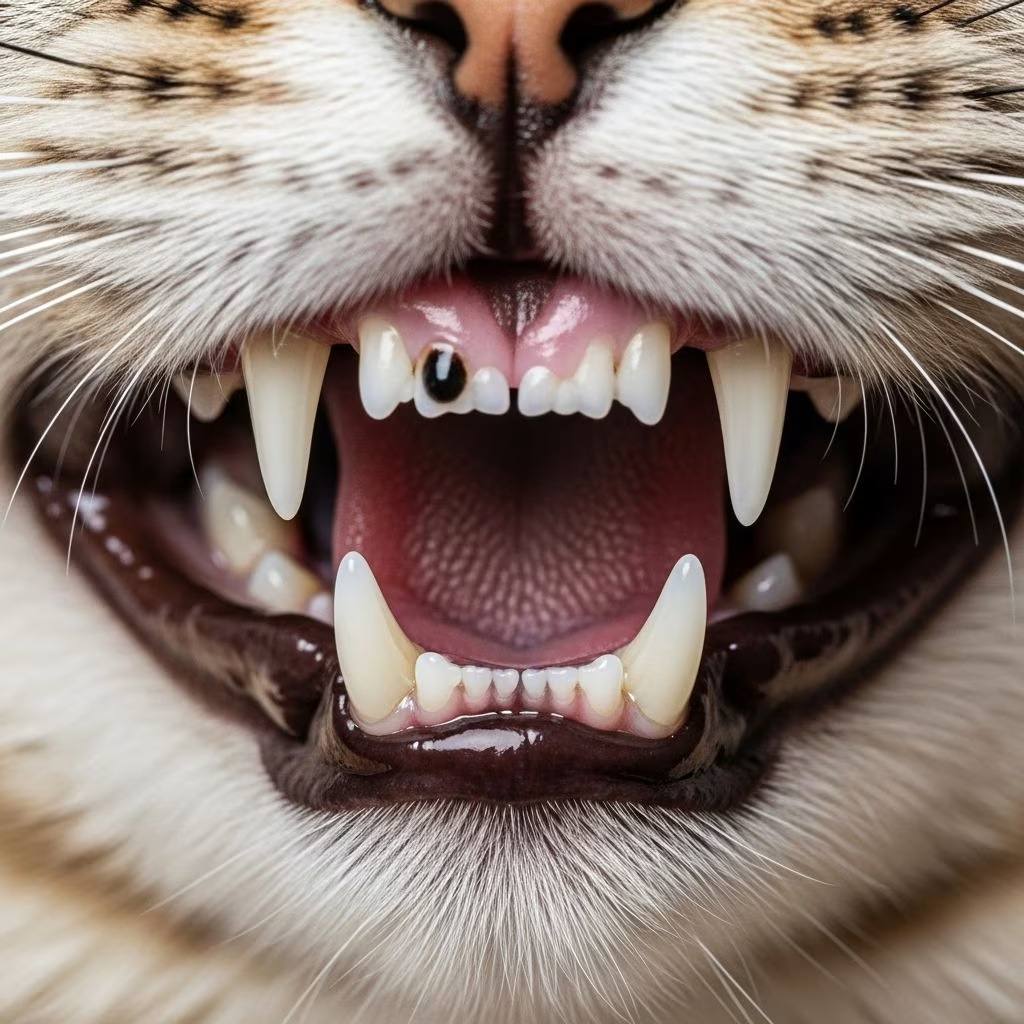
Dark spots on a cat’s teeth can alarm owners, but they often signal issues ranging from benign pigmentation to painful dental diseases. Understanding these discolorations helps ensure timely veterinary care and maintains your pet’s comfort and health.
Common Reasons for Tooth Discoloration in Cats
Cats’ teeth can develop dark areas due to several factors. Plaque and tartar accumulation is a primary cause, where bacteria harden into dark deposits on the enamel surface. Tooth fractures from trauma expose inner layers, leading to darkening as pulp becomes infected or necrotic. Feline odontoclastic resorptive lesions (FORL), prevalent in up to 60% of cats over age 5, erode tooth structure, creating dark spots or holes. External staining from diet or medications, like tetracycline, can also contribute. Less commonly, systemic conditions such as kidney or liver disease alter oral pH, promoting discoloration.
Benign vs. Problematic Dark Markings
Not all dark spots indicate disease. Lentigo, a harmless increase in melanocytes, produces flat black freckle-like spots on gums, lips, or rarely teeth in orange or light-colored cats. These are cosmetic and painless. In contrast, true tooth spots from caries, necrosis, or resorption cause pain, infection risk, and eating difficulties. Differentiate by location: lentigo favors soft tissues, while dental issues affect enamel or dentin.
| Condition | Appearance | Location | Painful? |
|---|---|---|---|
| Lentigo | Flat, black freckles | Gums, lips, tongue | No |
| Tartar Buildup | Dark brown crust | Enamel surface | Possibly (if advanced) |
| Tooth Fracture/Necrosis | Dark spot or line | Tooth crown | Yes |
| Resorptive Lesion (FORL) | Dark hole or pit | Root or crown | Yes |
Recognizing Symptoms of Dental Distress
Monitor for signs beyond visible spots. Cats hide pain, but clues include drooling, pawing at the mouth, bad breath (halitosis), reluctance to eat hard food, facial swelling, or weight loss. Advanced cases lead to fractured teeth, abscesses, or systemic infections affecting heart or kidneys. If spots change rapidly, bleed, or accompany these symptoms, seek immediate vet evaluation.
- Behavioral changes: Excessive grooming, hiding, or aggression when touching the face.
- Eating issues: Dropping food, chewing on one side, or preferring soft diets.
- Oral signs: Loose teeth, red inflamed gums, or pus discharge.
Professional Diagnosis: What to Expect at the Vet
Veterinarians use full-mouth radiographs under anesthesia to assess spots accurately, as many issues like FORL hide below the gumline. Probing checks for defects, while visual exams identify fractures or staining. Bloodwork rules out systemic causes. Early detection via annual dental checks prevents progression.
Treatment Strategies for Affected Teeth
Treatments vary by cause. Tartar requires professional cleaning (scaling/polishing) under anesthesia. Fractured or necrotic teeth may need extraction or root canal therapy (endodontics). FORL lesions mandate extraction, as affected teeth cannot heal. Staining responds to cleaning and diet changes. Pain management and antibiotics control infection short-term. Post-treatment, soft food and follow-ups aid recovery.
- Cleaning: Removes plaque/tartar, polishes enamel.
- Extractions: For non-viable teeth; common and effective.
- Restorations: Rare fillings for small caries.
Preventive Measures for Feline Oral Health
Daily brushing with enzymatic pet toothpaste reduces plaque by 70%. Dental diets, treats, and water additives control buildup. Avoid human products toxic to cats. Schedule yearly vet dentals, especially for seniors. Genetic predispositions in breeds like Siamese increase FORL risk, warranting vigilance.
FAQs on Cat Tooth Discoloration
Are black spots on cat teeth always serious?
No, lentigo is benign, but most enamel spots signal disease needing treatment.
Can I treat dark teeth at home?
Basic hygiene helps prevention, but professional intervention is essential for diagnosis and cure.
How common is tooth resorption in cats?
Very; affects 20-60% of cats over 4 years, often asymptomatically until advanced.
What if my cat won’t let me check their teeth?
Use a flashlight gently; if uncooperative, rely on vet exams during routine visits.
Does diet influence tooth color?
Yes, tannin-rich foods or poor hygiene promote staining and tartar.
Long-Term Monitoring and Overall Wellness
Regular home checks and vet partnerships ensure early intervention. Healthy teeth support nutrition, preventing weight loss or organ strain. Invest in dental products tailored for cats to extend life quality.
References
- Black Teeth in Cats: Understanding the Causes and Treatment Options — Vet Dentist TN. 2023. https://vetdentisttn.com/black-teeth-in-cats-understanding-the-causes-and-treatment-options/
- Understanding Black Teeth in Cats: Causes and Implications — Vet Dentist TN. 2023. https://vetdentisttn.com/understanding-black-teeth-in-cats-causes-and-implications/
- Why Does My Cat Have Black Spots in Their Mouth? — Vet Dentist WI. 2024-01-23. https://vetdentistwi.com/why-does-my-cat-have-black-spots-in-their-mouth/
- Black Spots on Cats’ Teeth — Embrace Pet Insurance. 2023. https://www.embracepetinsurance.com/waterbowl/article/ask-a-vet-black-spots-on-cats-teeth
- 6 Common Causes of Discolored Teeth in Dogs and Cats — Texas Veterinary Dental Center. 2023. https://texasveterinarydentalcenter.com/causes-of-discolored-teeth-in-dogs-and-cats/
- Understanding Color Changes in Your Cat’s Teeth — Express Vets Holly Springs. 2023. https://www.expressvetshollysprings.com/blog/understanding-color-changes-in-your-cats-teeth-express-vets-holly-springs
- What Dental Conditions Should I Watch for in My Cat? — WorksSOwell. 2023. https://www.workssowell.com/a/blog/what-dental-conditions-should-i-watch-for-in-my-cat



