

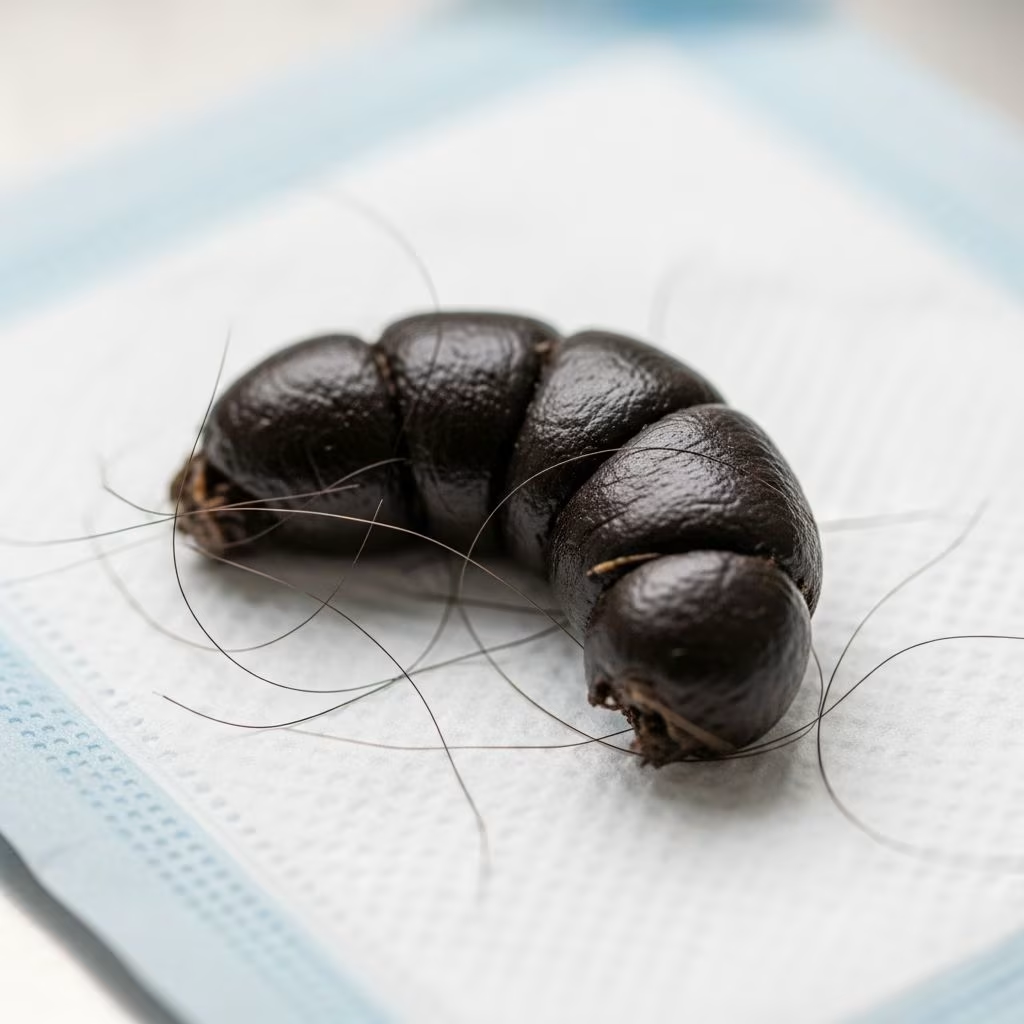
Observing unusually dark or black stool in your dog can raise immediate concerns among pet owners. This change in fecal color, medically termed melena when tarry and sticky, frequently points to digested blood originating from the upper digestive system. However, not every instance demands panic; dietary choices or recent treatments might play a role. Understanding the distinction between benign and critical triggers is essential for timely intervention.
Recognizing Abnormal Fecal Changes
Dog stool typically ranges from light to medium brown, reflecting a balanced diet and healthy digestion. Deviations to profound black hues, especially with a glossy, adhesive quality, suggest the presence of oxidized blood after exposure to stomach acids. This contrasts with bright red blood, known as hematochezia, which arises from lower intestinal or rectal sources.
- True melena traits: Jet-black, viscous, foul-odored, challenging to remove from surfaces.
- Diet-mimicking dark stool: Firmer texture, less odor, resolves post-diet adjustment.
Monitor consistency alongside color—diarrheal black output heightens urgency compared to isolated firm episodes.
Primary Medical Triggers for Black Feces
The gravest explanations involve internal hemorrhage where blood enters the stomach or proximal intestines, undergoing transformation into a dark pigment via digestive enzymes.
Upper Gastrointestinal Hemorrhage
Bleeding ulcers in the stomach lining, often induced by prolonged NSAID use like ibuprofen or steroids, erode tissues leading to persistent leakage. Tumors, whether benign polyps or malignant growths, erode vascular structures, producing chronic dark output. Trauma from swallowed sharp items—bones, toys, or debris—perforates linings, initiating acute bleeding.
Infectious and Parasitic Culprits
Hookworms attach to intestinal walls, extracting blood that, in heavy infestations, manifests as melena, particularly in young or vulnerable dogs. Bacterial overgrowth or viral assaults like parvovirus ravage the gut mucosa, yielding bloody diarrhea that darkens upon digestion. These pathogens thrive in unsanitary conditions, underscoring prevention via routine deworming.
Toxin Exposure Risks
Rodenticide ingestion disrupts clotting mechanisms, provoking widespread hemorrhage including gastric sites. Certain human pharmaceuticals or spoiled feeds similarly compromise vascular integrity, demanding swift detoxification protocols.
Non-Threatening Influences on Stool Hue
Not all darkness spells disaster; several everyday factors alter pigmentation harmlessly.
| Cause | Stool Appearance | Duration | Action Needed |
|---|---|---|---|
| Iron-rich diets (liver, blood meals) | Dark brown to black, firm | 1-3 days | Observe, adjust feed |
| Activated charcoal therapy | Black, non-tarry | 24-48 hours | Expected post-treatment |
| Dark dyes in treats/kibble | Uniformly dark | Tied to intake | Switch products |
| Bone-heavy raw feeds | Hard, darkened | Ongoing | Balance nutrition |
Raw feeding enthusiasts note organ meats concentrate pigments, yielding consistently deeper tones without health implications. Supplements for anemia introduce iron loads that parallel bleeding visuals, necessitating owner awareness.
Accompanying Symptoms Requiring Attention
Isolated black stool merits monitoring, but paired signs escalate priority:
- Vomiting, especially blood-flecked.
- Lethargy, appetite loss, or pallor in gums signaling anemia.
- Abdominal tenderness or bloating.
- Weight decline or dehydration cues like dry gums.
Puppies, seniors, or those with pre-existing conditions face amplified risks, as their reserves dwindle faster during crises.
Immediate Response Protocols
Upon discovery, withhold food for 12-24 hours while ensuring hydration via fresh water or electrolyte solutions. Collect a fresh sample in a sealed container for veterinary analysis. Document recent diet, medications, and symptom onset to streamline diagnostics.
Never administer human remedies; instead, rush to a clinic if symptoms compound or persist beyond 24 hours. Emergency indicators include collapse, profuse bloody vomit, or extreme weakness.
Veterinary Diagnostic Approaches
Professionals initiate with fecal occult blood tests confirming hemorrhage presence. Blood panels assess anemia, clotting profiles, and organ functions. Imaging—ultrasound or endoscopy—pinpoints ulcerations, masses, or foreign bodies. Parasite screens via flotation or ELISA detect infestations accurately.
Treatment Strategies by Cause
Interventions tailor to root issues:
- Ulcers: Proton pump inhibitors, sucralfate coatings, NSAID discontinuation.
- Parasites: Broad-spectrum dewormers like fenbendazole, followed by rechecks.
- Toxins: Induced vomiting, activated charcoal, vitamin K therapy for rodenticides.
- Tumors: Biopsy-guided surgery or chemotherapy.
Supportive care encompasses IV fluids, antiemetics, and dietary shifts to bland, easily digestible fare like boiled chicken and rice.
Preventive Measures for Digestive Wellness
Proactive habits mitigate risks substantially. Adhere to vet-recommended deworming schedules, particularly for outdoor dogs. Shun table scraps and toxic baits. Select premium, dye-free foods promoting gut flora balance. Annual wellness exams with fecal evaluations catch subclinical issues early.
For raw diet adherents, source human-grade meats, incorporate probiotics, and rotate proteins to avert sensitivities. Prompt sharp object removal from play areas curtails ingestion hazards.
FAQs on Dark Canine Stool
Is black poop always an emergency?
No, if non-tarry and diet-linked, but tarry melena warrants same-day vet evaluation.
Can food alone cause true melena?
Unlikely; dietary darkening lacks stickiness and odor intensity of blood-derived cases.
How long to watch before calling the vet?
24 hours maximum if mild; sooner with additional symptoms.
Does breed or age influence risks?
Yes, brachycephalics face ulcer proneness; seniors harbor tumor likelihoods.
Preventing recurrence post-treatment?
Follow-up fecals, med adherence, and lifestyle tweaks ensure sustained health.
Mastering stool surveillance empowers owners to protect their companions effectively. Vigilance transforms potential tragedies into manageable scenarios, fostering longer, vibrant lives.
References
- Merck Veterinary Manual: Melena in Dogs — Merck & Co., Inc. 2024-01-15. https://www.merckvetmanual.com/dog-owners/digestive-disorders-of-dogs/disorders-of-the-stomach-and-intestines-in-dogs
- ASPCA Animal Poison Control: Rodenticide Toxicity — ASPCA. 2025-06-20. https://www.aspca.org/pet-care/animal-poison-control/toxic-and-non-toxic-plants/rodenticide
- AVMA Guidelines: Canine Parasitic Diseases — American Veterinary Medical Association. 2024-11-10. https://www.avma.org/resources-tools/pet-owners/petcare/parasites
- Journal of Veterinary Internal Medicine: GI Bleeding in Dogs — Wiley Online Library (DOI:10.1111/jvim.16987). 2023-05-12. https://doi.org/10.1111/jvim.16987
- CDC Veterinary Parasite Resources — Centers for Disease Control and Prevention. 2025-02-28. https://www.cdc.gov/parasites/pets.html



