

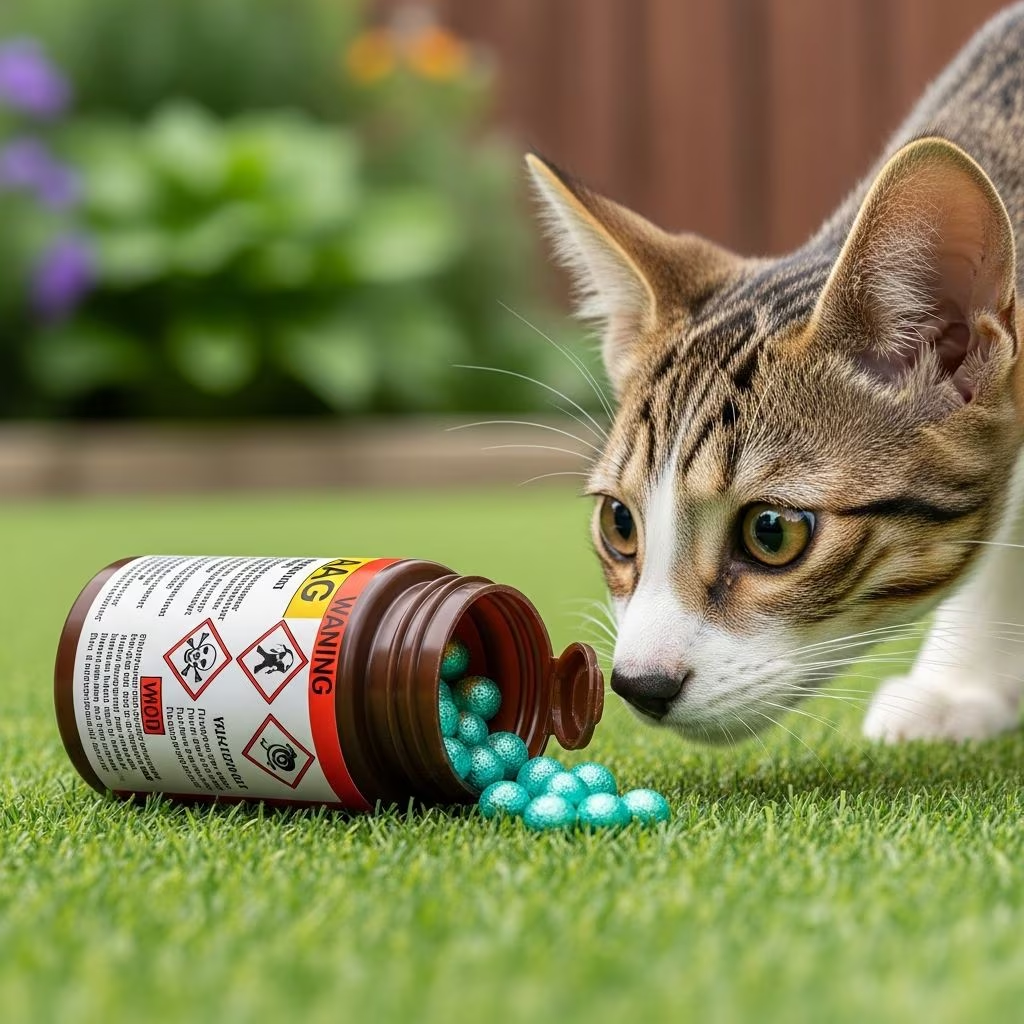
Snail and slug baits are common garden products designed to protect plants from pests, but they present significant dangers to pets, particularly dogs and cats. These baits often contain **metaldehyde**, a potent neurotoxin that can cause severe poisoning even in small amounts. Pets are drawn to the sweet, appealing pellets that resemble kibble, leading to accidental ingestion during yard exploration or grooming.
What Is Snail Bait and Why Is It Dangerous for Pets?
Snail bait typically comes in pelleted form infused with attractants like molasses, apples, and bran to lure snails and slugs. Unfortunately, these ingredients make the bait irresistible to dogs, who may mistake it for food. The primary active ingredient, **metaldehyde**, is a pesticide that targets the nervous system of mollusks but is highly toxic to mammals.
Metaldehyde disrupts normal brain function, leading to overstimulation of the nervous system. Even trace amounts on a pet’s paws can be ingested during licking, amplifying the risk. Small dogs are especially vulnerable, as just a teaspoon per 10 pounds of body weight can trigger serious symptoms.
- Appealing taste and texture mimics pet food.
- Granules stick to paws, leading to indirect poisoning.
- No specific antidote exists; treatment is supportive only.
Types of Snail Bait: Metaldehyde vs. Safer Alternatives
Not all snail baits are equally hazardous. Traditional products contain metaldehyde, responsible for most pet poisonings, while newer formulations use **iron phosphate**, which is less toxic to dogs and cats.
| Type | Active Ingredient | Pet Safety | Examples |
|---|---|---|---|
| High Risk | Metaldehyde | Highly toxic; causes neurotoxicity | Most pelleted baits |
| Lower Risk | Iron Phosphate (1%) | Relatively safe; poor absorption in pets | Pet-friendly brands |
Always check labels and opt for iron phosphate products, though even these require keeping pets away during application.
Symptoms of Snail Bait Poisoning in Pets
Symptoms from metaldehyde poisoning appear rapidly, often within 30 minutes to 3 hours of exposure. Early recognition is critical, as the condition progresses quickly to life-threatening stages.
- Early signs: Vomiting, hypersalivation (drooling), anxiousness, restlessness, increased heart and breathing rates.
- Moderate symptoms: Twitching, tremors, stiff gait, dilated pupils, panting.
- Severe progression: Seizures, severe back/neck arching, hyperthermia, temporary blindness, respiratory failure.
In severe cases, uncontrolled muscle activity raises body temperature dangerously, risking brain damage or organ failure within 4-12 hours.
How Much Snail Bait Is Toxic to Pets?
Toxicity thresholds vary by pet size and product concentration. Generally:
- Small dogs/cats: A few pellets or <1 teaspoon can be fatal.
- Large dogs: 1/8 cup (for 60 lbs) may cause poisoning.
- Per 10 lbs body weight: 1 teaspoon is often sufficient for harm.
Dogs in coastal or damp areas face higher risks due to frequent snail bait use.
What to Do If Your Pet Ingestes Snail Bait
Snail bait poisoning is a veterinary emergency. Do not wait for symptoms—act immediately:
- Prevent further exposure: Remove pet from area; rinse paws/mouth gently with water (no hydrogen peroxide without vet advice).
- Contact professionals: Call vet or pet poison hotline (e.g., ASPCA at 888-426-4435) right away. Provide bait details.
- Do NOT induce vomiting: Risk of aspiration; only under vet guidance.
- Rush to clinic: IV fluids, anti-seizure meds, and monitoring are standard.
Prognosis improves with early intervention; delays can lead to hospitalization for 1-2 days.
Emergency Treatment for Snail Bait Poisoning
Veterinary care focuses on decontamination, seizure control, and supportive therapy since no antidote exists:
- Induced emesis or activated charcoal to remove toxin.
- IV fluids for hydration and toxin flushing.
- Methocarbamol or diazepam for tremors/seizures.
- Cooling measures for hyperthermia.
- Monitoring for secondary issues like clotting failure.
Full recovery is possible with prompt care, but severe cases may result in neurological damage or death.
Preventing Snail Bait Poisoning in Pets
Proactive steps safeguard pets:
- Store baits securely out of reach.
- Apply in pet-free zones; allow drying before access.
- Use pet-safe iron phosphate products.
- Supervise yard time; train ‘leave it’ command.
- Fence off treated garden areas.
Pet-Safe Alternatives to Snail Bait
Avoid metaldehyde entirely with these effective, non-toxic options:
- Physical barriers: Copper tape, crushed eggshells, or diatomaceous earth around plants.
- Natural predators: Encourage birds, frogs, or use nematode worms.
- Beer traps: Shallow dishes of beer attract and drown slugs.
- Hand-picking: Evening removal into soapy water.
- Plant choices: Grow snail-resistant plants like lavender or rosemary.
These methods protect gardens without endangering pets.
Frequently Asked Questions (FAQs)
Is snail bait toxic to dogs?
Yes, metaldehyde in snail bait is highly toxic to dogs, causing neurological symptoms even in small doses.
How quickly do symptoms appear after eating snail bait?
Symptoms can start in 30 minutes to 3-5 hours post-ingestion.
Can cats get snail bait poisoning?
Yes, cats are also at risk, though dogs are more commonly affected due to scavenging habits.
Is iron phosphate snail bait safe for pets?
It is safer with low absorption rates, but still keep pets away during use.
What is the treatment for metaldehyde poisoning?
Supportive care including decontamination, anti-seizure drugs, IV fluids, and cooling.
Key Takeaways on Snail Bait Risks
Snail bait remains a leading poisoning cause for dogs, especially in spring and damp regions. Swift action upon suspicion saves lives—prioritize pet-safe gardening to avoid tragedy.
References
- The Danger Of Snail Bait For Dogs — Tractive. 2023. https://tractive.com/blog/en/good-to-know/the-danger-of-snail-bait-for-dogs
- Snail Bait Toxicity — Amador Valley Veterinary Center. 2023. https://www.amadorvalleyvetcenter.com/blog/snail-bait.html
- Snail Bait Poisoning in Dogs: Emergency Guide & Critical Steps — GSVS. 2024. https://gsvs.org/blog/snail-bait-poisoning-dogs-emergency/
- Snail Bait and Pets: A Deadly Combination You Need to Know About — Animal Emergency Service. 2023. https://animalemergencyservice.com.au/blog/snail-bait-and-pets-a-deadly-combination-you-need-to-know-about/
- Snail Bait Poisoning — Bishop Ranch Veterinary Center & Urgent Care (WebVets). 2023. https://www.webvets.com/blog/snail-bait-poisoning.html
- Snail, Slug Bait Poisoning in Dogs — PetMD. 2024-10-01. https://www.petmd.com/dog/conditions/neurological/c_dg_metaldehyde_poisoning



