

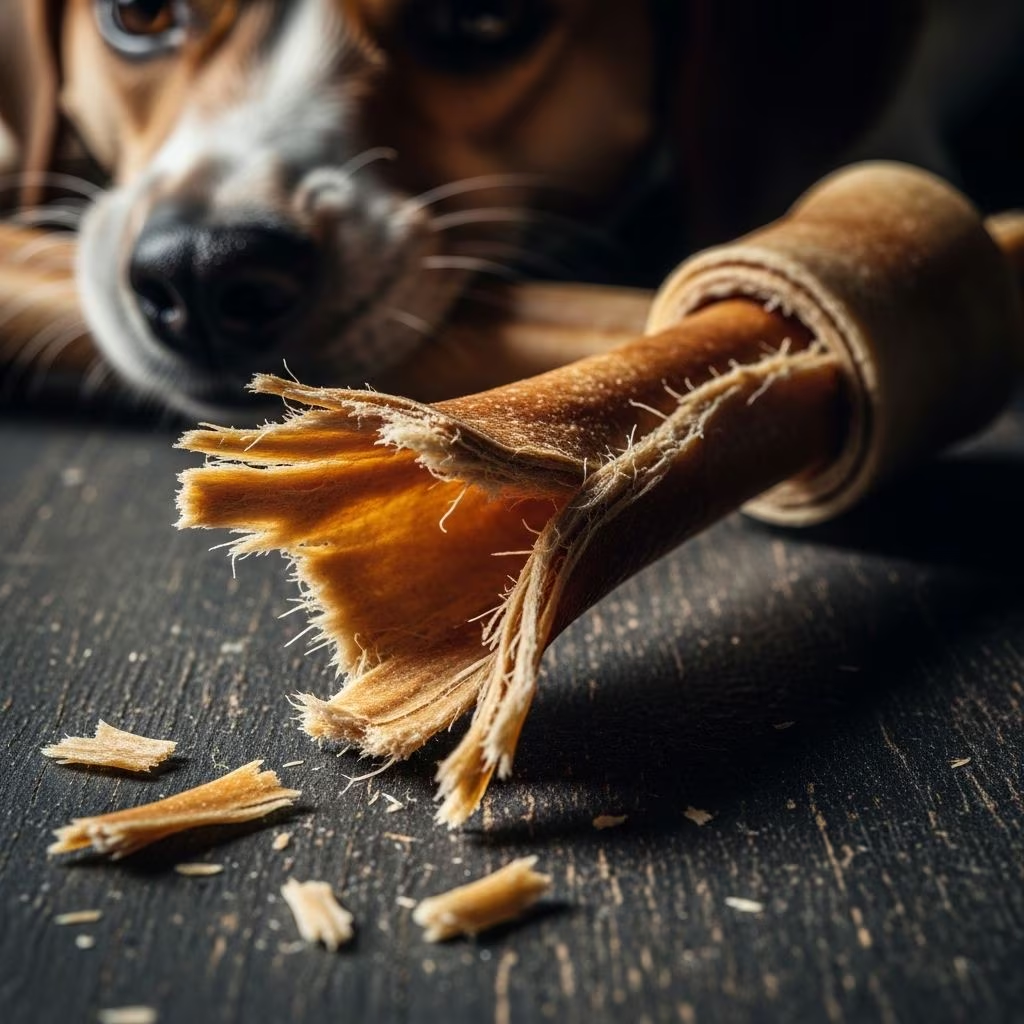
Rawhide chews are a popular choice for dog owners seeking long-lasting treats to keep their pets occupied. However, these seemingly harmless products carry significant health risks that many pet parents overlook. Made from animal hides processed through a chemical-intensive leather industry byproduct, rawhide is not the digestible treat it’s marketed as. Veterinary experts consistently highlight dangers like choking, intestinal obstructions, toxic exposure, and dental injuries. This article breaks down the six primary risks, explains the production process, addresses common myths, and offers safer alternatives to keep your dog healthy and happy.
What is Rawhide and How is it Made?
Rawhide begins as the inner layer of cow or horse hides, a byproduct of the meat and leather industries. To transform it into chews, manufacturers wash the hides in a solution containing water and large amounts of industrial-grade chemicals like sodium sulfide and lime to remove hair and fat. The hides are then bleached, sometimes with hydrogen peroxide, to achieve a white color, and treated with preservatives, colorings, and artificial flavorings glued onto the surface.
This process renders rawhide tough and pliable but laden with residues. Pieces are cut into shapes, stamped, and packaged. Unlike true ‘raw’ products, which are dehydrated without chemicals, commercial rawhide is heavily processed. The end result is a product that dogs chew for hours but struggle to digest, swelling up to five times its size when wet in the stomach.
6 Dangers of Rawhide for Dogs
While dogs enjoy the texture and longevity of rawhide, the risks far outweigh any benefits. Here are the six major dangers supported by veterinary insights:
- Rawhides are made with toxic chemicals
During production, hides are soaked in arsenic-based preservatives, formaldehyde, and other carcinogens to prevent bacterial growth and enhance appearance. These toxins can leach into saliva during chewing, potentially leading to long-term health issues like cancer or organ damage. Limited regulation in some countries exacerbates contamination risks. - The flavorings may contain carcinogens
Artificial flavors and glues used to adhere scents like chicken or beef often include harmful additives. Studies link these to carcinogenic compounds, posing ingestion risks over repeated use. Opting for ‘natural’ labels doesn’t guarantee safety, as testing is inconsistent. - Rawhides are not digestible
Chemically engineered for durability, rawhide doesn’t break down in a dog’s stomach. Dogs soften it with saliva but swallow indigestible chunks that swell, causing bloating, vomiting, or prolonged gastric distress. Dr. James Barr from Texas A&M notes pieces often lodge in the esophagus, stomach, or intestines, requiring intervention. - Dogs can choke on rawhide
Aggressive chewers or gulpers bite off large pieces that block the throat or esophagus. This creates a life-threatening airway obstruction, demanding immediate veterinary care. Even supervised sessions can’t eliminate this risk entirely. - Teeth fractures are common
The tough texture leads to slab fractures in premolars and molars, especially in puppies and power chewers. Dr. Nadine Fiani from Cornell University identifies rawhide as a top cause of dental trauma, opening doors to infections that spread systemically. - Intestinal blockages
Swallowed chunks expand in the gut, causing obstructions that manifest as pain, dehydration, lethargy, and rupture if untreated. Small dogs, puppies, and aggressive eaters are most vulnerable, often needing surgery. Blockages account for many rawhide-related emergencies.
Rawhide Production Process: A Closer Look
The journey from hide to chew involves multiple hazardous steps. Hides are split, washed in caustic solutions, de-haired with sulfides, bloated with chromates, and treated with glues and dyes. In regions with lax oversight, contaminants like salmonella or heavy metals persist. A single chew can expose dogs to days’ worth of chemicals, accumulating over time.
| Production Step | Chemicals Used | Potential Risk to Dogs |
|---|---|---|
| Washing/De-hairing | Sodium sulfide, lime | Skin/eye irritation if residues remain |
| Bleaching | Hydrogen peroxide | Respiratory issues from inhalation |
| Preservation | Formaldehyde, arsenic | Cancer risk, toxicity |
| Flavoring | Glues, artificial scents | Ingestion of carcinogens |
This table illustrates why rawhide is far from natural. Safer options skip these steps entirely.
Do Vets Recommend Rawhide?
Most veterinarians advise against rawhide due to its predictable risks. The American Kennel Club (AKC) warns of choking and blockages in strong chewers, recommending size-appropriate alternatives or avoidance. Experts like those at Texas A&M and Cornell emphasize supervision limitations and chemical concerns. While some suggest ‘high-quality’ versions, consensus leans toward safer chews.
Rawhide Myths Debunked
- Myth: Rawhide cleans teeth
Chewing provides minor plaque removal initially, but softening rawhide loses efficacy and risks obstruction. Dental chews or brushing are superior. - Myth: It’s digestible if chewed properly
Even masticated pieces rehydrate and swell, per veterinary reports. - Myth: Only cheap brands are dangerous
All processed rawhides share production flaws; premium labels may use fewer chemicals but retain indigestibility.
Safer Alternatives to Rawhide
Choose digestible, natural options for mental stimulation and dental health without risks:
- Dehydrated meat chews (sweet potato, fish skin) – Fully digestible, nutrient-rich.
- Dental chews (e.g., VOHC-approved) – Proven plaque reduction.
- Bully sticks or antlers (supervised) – Long-lasting but monitor size.
- Frozen carrots or rubber toys – Low-calorie, safe for gulpers.
- Nylabones or Kongs with treats – Indestructible for power chewers.
Match treats to your dog’s size, age, and chewing style. Always supervise and discard small pieces.
Tips for Safe Chewing
If rawhide is unavoidable, follow these precautions:
- Select appropriately sized chews.
- Supervise closely; remove when golf-ball sized.
- Limit sessions to 10-15 minutes.
- Choose USA/EU-sourced products with minimal additives.
- Monitor for distress post-chew.
However, switching to alternatives eliminates guesswork.
Frequently Asked Questions (FAQs)
Is rawhide actually bad for dogs?
Yes, rawhide poses serious risks including choking, blockages, and chemical exposure. Vets widely recommend avoidance.
Do vets recommend rawhide?
Most do not, citing digestive dangers and toxins. Safer alternatives are preferred.
Can puppies have rawhide?
No, puppies are at higher risk for choking and blockages due to developing teeth and gulping habits.
How do I know if rawhide caused a blockage?
Symptoms include vomiting, lethargy, abdominal pain, and constipation. Seek emergency vet care immediately.
Are there safe rawhide brands?
No brand eliminates core risks; opt for non-rawhide chews instead.
References
- Is Rawhide Bad For Dogs? The Raw Truth — The Natural Dog Store. 2023-01-01. https://thenaturaldogstore.com/blogs/health/is-rawhide-bad-for-dogs
- The Dangerous Truth About Rawhide — Ruff Start Rescue. 2023-01-21. https://ruffstartrescue.org/2023/01/21/the-dangerous-truth-about-rawhide/
- Rawhide Is a Raw Deal—What to Know — Kinship. 2023-01-01. https://www.kinship.com/dog-health/dangers-rawhide-dog-chews
- Is Rawhide Bad For Dogs? The Shocking Truth — Dogs Naturally Magazine. 2023-01-01. https://www.dogsnaturallymagazine.com/rawhide-dangerous-for-dogs/
- Is Rawhide Bad for Dogs? Experts Explain — Kinship. 2023-01-01. https://www.kinship.com/dog-health/is-rawhide-bad-for-dogs
- Are Rawhide Chews Dangerous for Dogs? — American Kennel Club. 2023-01-01. https://www.akc.org/expert-advice/health/are-rawhide-chews-dangerous-for-dog/



