

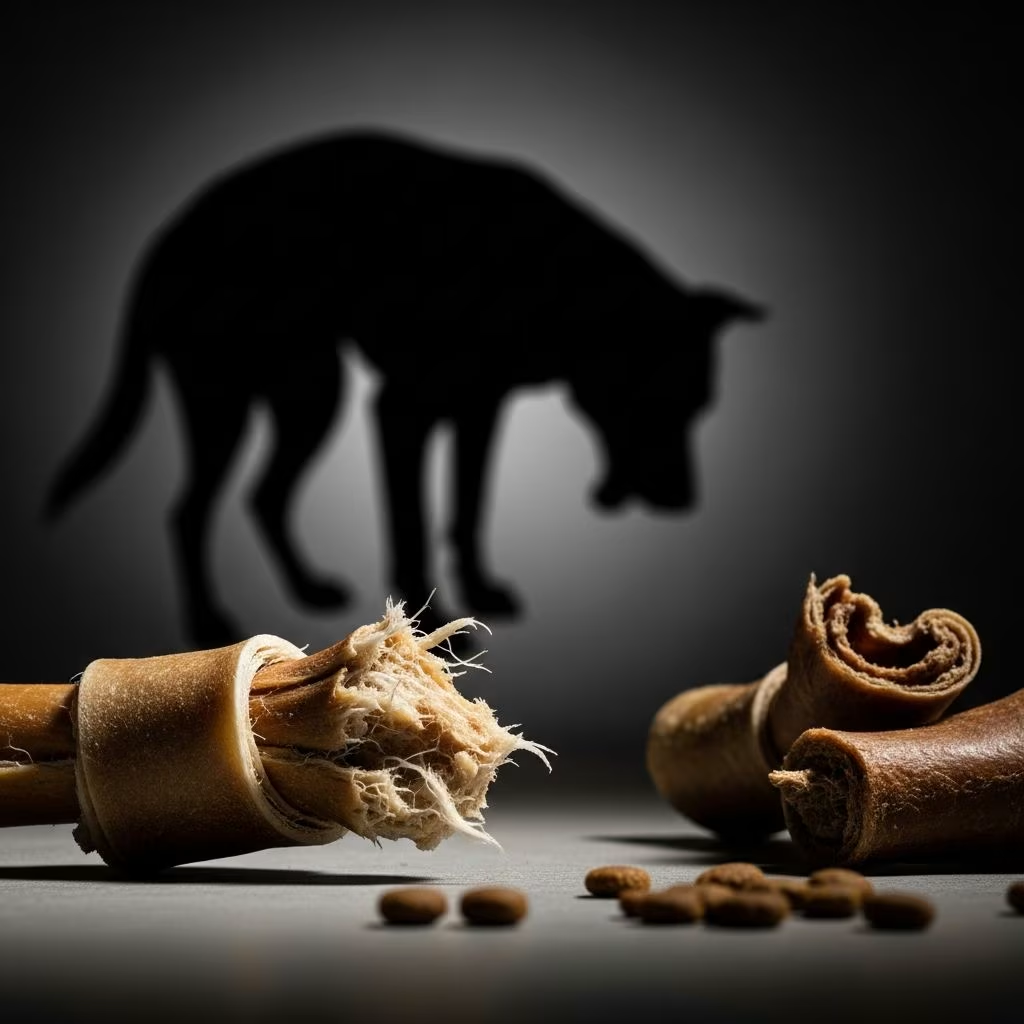
Rawhide chews are a popular treat marketed as long-lasting entertainment for dogs, but they come with significant health risks that every pet owner should know. What many consider a simple chew toy can lead to choking, digestive emergencies, chemical exposure, and more. This article breaks down the key dangers based on veterinary insights and examines why safer alternatives are essential for your dog’s health.
What Is Rawhide and How Is It Made?
Rawhide is not a natural dried meat product as many assume. Instead, it is a byproduct of the leather tanning industry, made from animal hides split into layers. The outer layer becomes leather goods, while the inner layer is processed into chews for pets. This process involves washing the hides in a solution containing sodium sulfide lime and arsenic-containing compounds to remove hair and fat. The hides are then bleached, treated with glues, and flavored to appeal to dogs.
These chemical treatments make rawhide tough and durable but also potentially hazardous. Arsenic, formaldehyde, and other preservatives linger in the final product, posing risks when dogs ingest pieces. Limited regulation in many production countries exacerbates contamination concerns, turning what seems like a harmless treat into a chemical-laden danger.
6 Dangers of Rawhides for Dogs
While dogs enjoy gnawing on rawhide, the risks far outweigh any temporary satisfaction. Here are the primary hazards supported by veterinary experts:
- Rawhides are made with toxic chemicals
The manufacturing process exposes rawhide to harsh chemicals like arsenic for dehairing, formaldehyde for preservation, and bleaches for whitening. These toxins can leach into a dog’s system when chewed and swallowed, potentially leading to poisoning or long-term health issues.
- The flavorings may contain carcinogens
Artificial flavors and colorings added to make rawhide appealing often include carcinogens and other harmful additives. Dogs ingest these directly, increasing exposure to cancer-causing agents over time.
- Rawhides are not digestible
Chemically engineered for toughness, rawhide doesn’t break down in a dog’s stomach. Dogs soften it with saliva but swallow indigestible chunks that swell with moisture, causing bloating, discomfort, or obstructions. Dr. James Barr from Texas A&M notes these pieces often get stuck in the esophagus, stomach, or intestines.
- Dogs can choke on rawhide
Aggressive chewers or those gulping large pieces face immediate choking risks. Chunks can lodge in the throat or esophagus, blocking airways and requiring emergency intervention. Even supervised chewing doesn’t eliminate this danger.
- Teeth fractures are common
Rawhide’s hardness leads to tooth fractures, especially in puppies and power chewers. Dr. Nadine Fiani from Cornell University identifies hard chews like rawhide as a top cause of dental injuries, which can cause pain, infections, and costly repairs.
- Intestinal blockages can be deadly
The most severe risk: swallowed pieces rehydrate and expand in the gut, creating life-threatening blockages. Symptoms include vomiting, pain, dehydration, and rupture. Small dogs, gulpers, and aggressive chewers are most vulnerable, often needing surgery.
Rawhide Production Process: A Closer Look
Understanding the journey from hide to chew reveals why rawhide is problematic. Hides are soaked in caustic solutions to strip flesh, then treated with industrial chemicals. In regions with lax oversight, contaminants like heavy metals persist. The final product is glued, dyed, and flavored—none of which aids digestion. Veterinary consensus urges avoidance due to these unavoidable risks.
| Stage | Chemicals Used | Risk to Dogs |
|---|---|---|
| Dehairing | Sodium sulfide, arsenic | Toxin residue ingestion |
| Bleaching | Peroxide, formaldehyde | Cancer risk, irritation |
| Preservation | Glues, flavorings | Indigestibility, choking |
Do Vets Recommend Rawhide?
Most veterinarians advise against rawhide due to choking, blockages, and chemical concerns. While some suggest supervised use of high-quality options, the consensus leans toward safer alternatives. The American Kennel Club warns that even properly sized rawhides pose risks for strong chewers.
Safer Alternatives to Rawhide Chews
Fortunately, healthier options exist that satisfy chewing instincts without the dangers:
- Natural chews: Bully sticks, yak chews, or Himalayan dog chews—digestible and low-chemical.
- Dental chews: Vet-approved products like Greenies that clean teeth and fully digest.
- Fresh options: Frozen carrots, apple slices, or kong toys stuffed with peanut butter.
- Dehydrated meats: Single-ingredient treats from reputable sources.
Choose based on your dog’s size, chewing style, and age. Always supervise and select digestible products to promote dental health safely.
Tips for Safe Chewing
If you must use rawhide (not recommended):
- Select size-appropriate chews.
- Supervise closely; remove small pieces.
- Limit sessions to 10-15 minutes.
- Choose USA-made for better regulation.
However, switching to alternatives eliminates guesswork and protects your pet.
Frequently Asked Questions (FAQs)
Is rawhide actually bad for dogs?
Yes, traditional rawhide poses serious risks including choking, blockages, and chemical exposure. Veterinary experts widely advise against it.
Do vets recommend rawhide?
Many vets do not, citing digestive dangers and toxins. Safer alternatives are preferred.
Can puppies have rawhide?
No, puppies are at higher risk for choking and tooth damage. Opt for soft, digestible chews.
Is all rawhide dangerous?
Even ‘natural’ versions carry risks due to processing. Fully digestible alternatives are best.
What if my dog loves rawhide?
Transition gradually to safer chews like bully sticks. Their health is worth the change.
Conclusion: Choose Wisely for Your Dog’s Health
Rawhide’s allure fades against its proven dangers. Prioritize your dog’s safety with vet-recommended, digestible chews. Informed choices keep tails wagging without emergency trips.
References
- Are Rawhide Chews Dangerous for Dogs? — American Kennel Club. 2023-01-01. https://www.akc.org/expert-advice/health/are-rawhide-chews-dangerous-for-dog/
- The Dangerous Truth About Rawhide — Ruff Start Rescue. 2023-01-21. https://ruffstartrescue.org/2023/01/21/the-dangerous-truth-about-rawhide/
- Rawhide Is a Raw Deal—What to Know — Kinship. 2024-01-01. https://www.kinship.com/dog-health/dangers-rawhide-dog-chews
- Is Rawhide Bad For Dogs? The Shocking Truth — Dogs Naturally Magazine. 2024-01-01. https://www.dogsnaturallymagazine.com/rawhide-dangerous-for-dogs/
- Is Rawhide Bad for Dogs? Experts Explain — Kinship. 2024-01-01. https://www.kinship.com/dog-health/is-rawhide-bad-for-dogs
- Is Rawhide Bad For Dogs? The Raw Truth — The Natural Dog Store. 2024-01-01. https://thenaturaldogstore.com/blogs/health/is-rawhide-bad-for-dogs



