

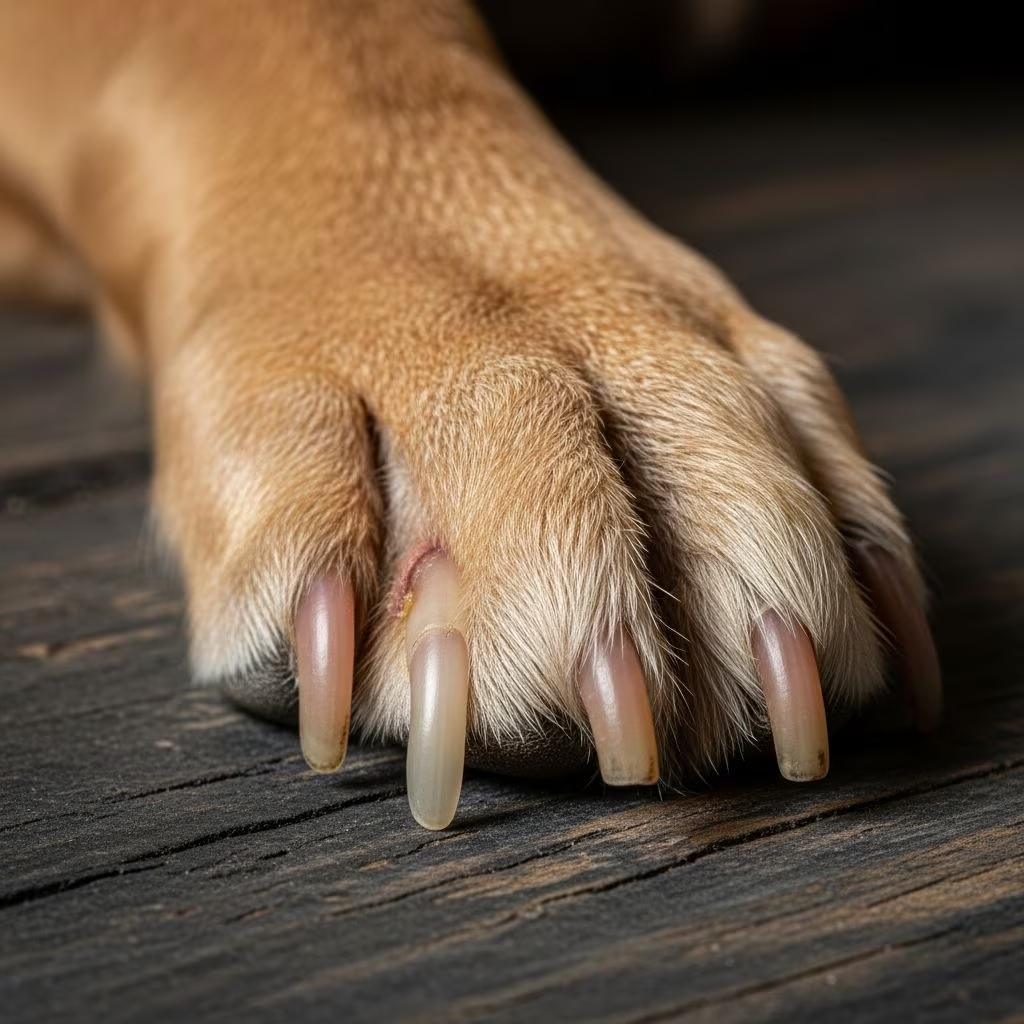
Neglecting to trim a dog’s nails can lead to serious health complications, including chronic pain, impaired movement, and increased injury risk. Regular nail maintenance is vital for ensuring dogs maintain natural posture, grip, and overall paw integrity.
Why Dog Nails Grow Too Long
Dogs naturally wear down their nails through activity on rough surfaces like pavement or dirt. However, indoor dogs or those walking primarily on soft grass or carpets often lack this natural filing, causing nails to overgrow. Breeds with fast-growing or dark nails, such as Labradors or those with black nails, face higher risks since the quick—the sensitive blood vessel and nerve inside—is harder to see.
Over time, untrimmed nails curl, press into paw pads, and alter weight distribution. This shift forces dogs to walk on their toes rather than the full paw, mimicking high heels in humans and straining joints.
Immediate Physical Discomfort from Overgrowth
Long nails dig into soft paw pads with every step, creating constant pressure points that cause soreness and limping. Dogs may lick or chew their paws excessively to relieve irritation, signaling distress.
- Paw Pad Penetration: Curled nails puncture pads, leading to bleeding and open wounds.
- Toe Splaying: Excessive length spreads toes unnaturally, deforming paw structure over time.
- Visible Signs: Check for nails clicking loudly on floors, reluctance to jump, or shifted weight to hind legs.
Early intervention prevents escalation; untreated discomfort reduces activity levels, contributing to obesity and muscle weakness.
Mobility and Balance Disruptions
Overlong nails elevate paws, preventing full ground contact and reducing traction. This compromises stability, especially on slick floors, increasing slip-and-fall incidents.
| Problem | Effect on Dog | Long-Term Risk |
|---|---|---|
| Altered Gait | Limping or hopping | Muscle fatigue |
| Poor Grip | Slipping on surfaces | Falls and sprains |
| Joint Strain | Knuckling over | Arthritis onset |
Studies in canine biomechanics confirm that trimmed nails improve balance and reduce orthopedic stress, particularly in seniors. Dogs with untrimmed nails expend extra energy compensating, leading to exhaustion.
Injury Risks and Trauma
Extended nails snag on carpets, furniture, or outdoor obstacles, often splitting or tearing painfully. Broken nails expose the quick, causing bleeding and acute agony.
- Splitting: Weakens nail structure, prone to cracks during play.
- Tearing: Rips from base, requiring veterinary glue or amputation in severe cases.
- Foreign Object Traps: Debris lodges under nails, worsening tears.
Active dogs face higher trauma odds; prompt care minimizes vet visits and recovery time.
Infection Vulnerabilities
Overgrown nails harbor bacteria, dirt, and moisture, fostering infections like paronychia—swollen, pus-filled nail beds. Penetrated pads invite bacteria, potentially leading to abscesses.
Symptoms include redness, swelling, foul odor, and limping. Treatment involves antibiotics, cleaning, and sometimes drainage; neglected cases spread systemically. Regular checks catch issues early.
Joint and Skeletal Complications
Prolonged neglect shifts posture, overloading elbows, shoulders, wrists, and knees. This unnatural angle accelerates arthritis, especially in breeds prone to dysplasia.
Senior dogs suffer most: long nails exacerbate hip issues and hinder rehab. Veterinary rehab programs mandate trims for gait correction and pain relief. Over years, bone deformities emerge from chronic misalignment.
Signs Your Dog Needs a Trim
Monitor for these indicators during weekly paw inspections:
- Nails touching floor when standing.
- Awkward walking or favoring paws.
- Paw biting or pad redness.
- Slipping indoors frequently.
- Hesitation on stairs or jumps.
For dark nails, trim small amounts frequently to avoid the quick.
Safe Home Trimming Techniques
Start young to acclimate dogs; use positive reinforcement like treats. Essential tools include guillotine clippers for small dogs, scissor-style for larger, or grinders for smooth edges.
- Prepare: Calm environment, good lighting, treats ready.
- Position: Secure gently; lift paw firmly but kindly.
- Trim: Cut 2mm at a 45-degree angle, avoiding pink quick. White nails show it clearly.
- Grind/File: Smooth edges post-clip to prevent snags.
- Reward: Praise lavishly after each paw.
Frequency varies: every 3-4 weeks for most, weekly for seniors or inactive dogs. If bleeding occurs, apply styptic powder and stop.
Professional Grooming Options
Not comfortable trimming? Vets, groomers, or mobile services handle it safely, often during checkups. Costs range $10-25 per session; sedation for anxious dogs available.
Pros of pros: Expert quick avoidance, full paw health checks. Combine with baths for efficiency.
Special Considerations for Breeds and Ages
| Breed/Age Group | Nail Growth Speed | Trim Tips |
|---|---|---|
| Small Breeds (e.g., Chihuahua) | Fast | Small clippers, frequent sessions |
| Large Breeds (e.g., Great Dane) | Slow | Heavy-duty tools, check monthly |
| Seniors | Variable | Weekly, focus on arthritis relief |
| Puppies | Moderate | Gentle intro, every 4 weeks |
Brachycephalic breeds or those with dewclaws need extra attention to prevent ingrowth.
Preventive Paw Health Routine
Integrate nail care into grooming:
- Weekly inspections and light filing.
- Paw soaks in Epsom salt for cracks.
- Moisturizers for dry pads.
- Hard surface walks for natural wear.
Diet rich in omega-3s supports nail strength.
FAQs
What happens if a dog’s nail is too long?
It causes pain, poor balance, injuries, infections, and joint problems.
How often should I trim my dog’s nails?
Every 3-6 weeks, or when they touch the floor.
Can overgrown nails cause arthritis?
Yes, by altering gait and stressing joints long-term.
What if I cut the quick?
Apply styptic powder, keep clean; consult vet if bleeding persists.
Are grinders better than clippers?
Grinders are safer for gradual trimming, ideal for nervous dogs.
Conclusion
Prioritizing nail trims enhances your dog’s comfort, prevents costly health issues, and supports active living. Make it routine for happier paws.
References
- The Importance Of Dog Nail Care: Benefits And Consequences — SuperTails. 2023. https://supertails.com/blogs/grooming/the-importance-of-dog-nail-care-benefits-and-consequences
- The Surprising Importance of ‘Pawdicures’ for Pets — Pet Hospice Vet. 2023. https://www.pethospicevet.com/the-surprising-importance-of-pawdicures-for-pets/
- Nail Care for Dogs – Everything You Need to Know — Bark U. 2023. https://barku.com/the-importance-of-nail-care-for-dogs/
- Happy Feet: Why Nail Trimming Is Essential for Your Pet’s Health — Rocklin Ranch Vet. 2023. https://www.rocklinranchvet.com/blog/happy-feet-why-nail-trimming-is-essential-for-your-pets-health/
- Caring for Your Dog’s Nails — ASPCA Pet Health Insurance. 2023. https://www.aspcapetinsurance.com/resources/caring-for-dog-nails/



