

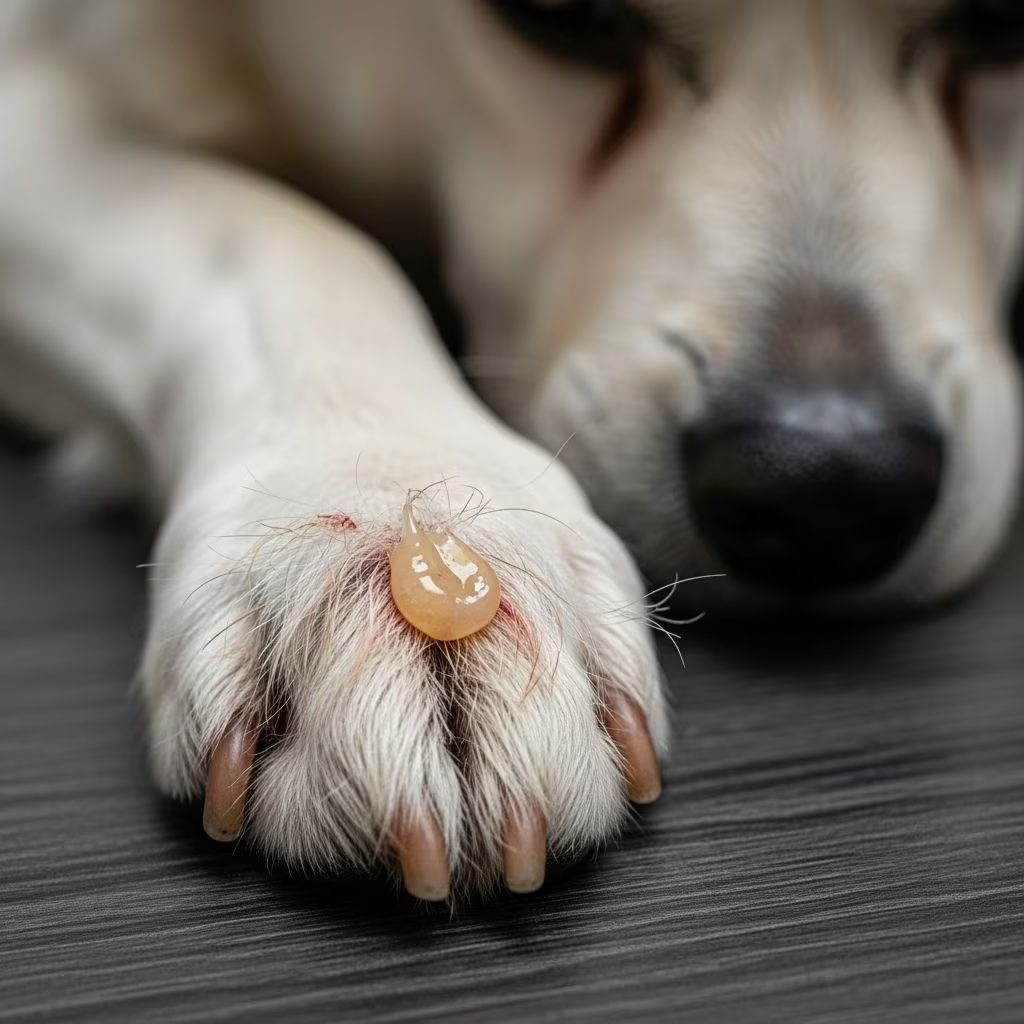
Gorilla Glue, a popular polyurethane-based adhesive containing methylene diphenyl diisocyanate, presents a life-threatening danger to dogs when ingested. Upon contact with moisture in the stomach, it expands rapidly—up to 3-4 times its volume—forming a hard, foam-like mass that can obstruct the gastrointestinal tract, leading to vomiting, pain, and potentially fatal complications like stomach rupture.
What Makes Gorilla Glue So Dangerous for Dogs?
Gorilla Glue and similar expanding polyurethane glues are non-toxic in terms of chemical poisoning but mechanically hazardous. When a dog ingests even a small amount—such as from chewing a bottle, licking a spill, or eating a glue-soaked rag—the glue reacts with stomach fluids, initiating an exothermic reaction that causes it to foam and harden within minutes. This creates a “cyano-bezoar,” an indigestible foreign body that expands to block the stomach or intestines.
In a multicenter study of 22 dogs that ingested Gorilla Glue between 2005 and 2019, the glue formed gastrointestinal foreign bodies in all cases, with most requiring surgical intervention. Even half an ounce can swell into a mass large enough to cause obstruction, and symptoms may appear anywhere from 15 minutes to 20 hours post-ingestion.
Unlike superglues, which typically cause only mild oral irritation, expanding glues like Gorilla Glue do not pass naturally and demand urgent veterinary care.
Symptoms of Gorilla Glue Ingestion in Dogs
Recognizing symptoms early is critical, as delays can lead to perforation or rupture. Common signs include:
- Vomiting: Often the first and most frequent symptom, reported in over 50% of cases.
- Abdominal pain or bloating: Dogs may show discomfort on palpation, with a distended belly.
- Lethargy and loss of appetite: Refusal to eat due to nausea or obstruction.
- Retching, drooling, or gagging: Indicating irritation or attempted expulsion.
- Pawing at the mouth: From initial oral contact.
Additional signs from secondary effects include dehydration, elevated heart rate, and abnormal bloodwork showing elevated white cells or organ stress from prolonged vomiting. In severe cases, dogs become critically ill within hours.
Risk Factors and Common Scenarios
Dogs are particularly vulnerable due to their curious nature and tendency to chew household items. Common exposure routes include:
- Chewing on glue bottles left accessible.
- Licking spills on floors or countertops.
- Ingesting glue from rags, paper towels, or tools.
Breeds like Labrador Retrievers and other large chewers are overrepresented, but any dog is at risk. Puppies and bored adult dogs in multi-pet homes face higher odds. Households with DIY projects amplify danger, as glue is often stored in garages or workshops.
Skin or eye contact, while less lethal, can cause burns, white spots, or corneal damage leading to infection.
Diagnosis of Gorilla Glue Toxicosis
Veterinarians rely on history, exam, and imaging for diagnosis. Key steps include:
- History and physical exam: Owners report exposure; vets note pain on abdominal palpation (found in 59% of cases).
- Radiographs: Show a mottled, granular soft tissue mass with gas in the stomach (performed in 82% of studied cases).
- Ultrasound or serial X-rays: Confirm non-passage of the mass.
- Bloodwork: Assess dehydration, electrolytes, and organ function.
In 73% of surgical cases, radiographs alone justified proceeding to surgery without further tests.
Treatment Options
| Treatment Type | Description | Success Rate | Notes |
|---|---|---|---|
| Conservative Management | Fluids, anti-nausea meds, monitoring for small masses. | Used in 23% of cases | Only if no obstruction signs; risky. |
| Surgical Removal (Gastrotomy) | Incision into stomach to extract mass. | Primary method (64%) | Masses often shell out easily; good prognosis. |
| Endoscopic Removal | Scope-guided extraction. | Rare (5%) | For accessible small masses. |
Do not induce vomiting at home—it risks esophageal lodging or aspiration. Rush to a vet immediately for stabilization, imaging, and likely surgery. Post-op care includes fluids, pain management, and gastroprotectants. One study reported excellent short-term outcomes with prompt intervention, though costs can exceed £3,000.
Prognosis and Complications
Prognosis is excellent with early surgery (survival near 100%), but poor if delayed—risks include peritonitis, sepsis, or euthanasia due to finances. Superglue cases have good outcomes with minimal intervention, but Gorilla Glue demands aggression. Ocular exposures carry guarded prognoses due to blindness risk.
How to Prevent Gorilla Glue Ingestion
Prevention is straightforward:
- Secure storage: Lock glues in cabinets or high shelves.
- Clean spills immediately: Use gloves; dispose of rags securely.
- Supervise during projects; confine dogs.
- Train ‘leave it’ commands; provide chew toys.
- Pet-proof home: Garage sweeps for stray bottles.
Opt for pet-safe adhesives when possible.
Other Household Glues and Risks
Not all glues are equal:
- Superglues (cyanoacrylates): Mild GI upset; good prognosis.
- Wood/construction glues: Some expand; check labels for polyurethane.
- Non-expanding: Less risky but monitor.
Always verify ingredients.
Frequently Asked Questions (FAQs)
What should I do if my dog ate Gorilla Glue?
Do not wait or induce vomiting. Contact your vet or emergency clinic immediately for imaging and possible surgery.
How quickly does Gorilla Glue expand in a dog?
Expansion begins within minutes of stomach contact, hardening into a mass in 15-20 minutes.
Can small amounts of Gorilla Glue pass naturally?
Rarely in large dogs; most require removal. Monitor only under vet guidance.
Is Gorilla Glue toxic or just obstructive?
Non-chemically toxic but causes mechanical obstruction and irritation.
How much does Gorilla Glue surgery cost for dogs?
Varies; expect £2,000-£5,000+ including imaging and hospitalization (UK estimates based on similar cases).
References
- Super Glue Toxicosis in Dogs – Causes, Treatment and … — Vetster. Accessed 2026. https://vetster.com/en/conditions/dog/super-glue-toxicosis
- Look Out for Gorilla Glue — Animal Emergency & Referral Center. Accessed 2026. https://aercmn.com/look-out-for-gorilla-glue/
- Gorilla Glue Ingestion in Dogs: 22 Cases (2005-2019) — PubMed/AAHA. 2021-04-01. https://pubmed.ncbi.nlm.nih.gov/33770163/
- Gorilla Glue Are Toxic To Pets — Pet Poison Helpline. Accessed 2026. https://www.petpoisonhelpline.com/poison/gorilla-glue/
- Risk of Expanding Adhesives (Like Gorilla Glue) — Mallard Creek Veterinary Hospital. Accessed 2026. https://www.mallardcreekvet.com/dr-waldens-blog/risk-of-expanding-adhesives-like-gorilla-glue
- Gorilla Glue Poisoning in Dogs — WagWalking. Accessed 2026. https://wagwalking.com/condition/gorilla-glue-poisoning



