

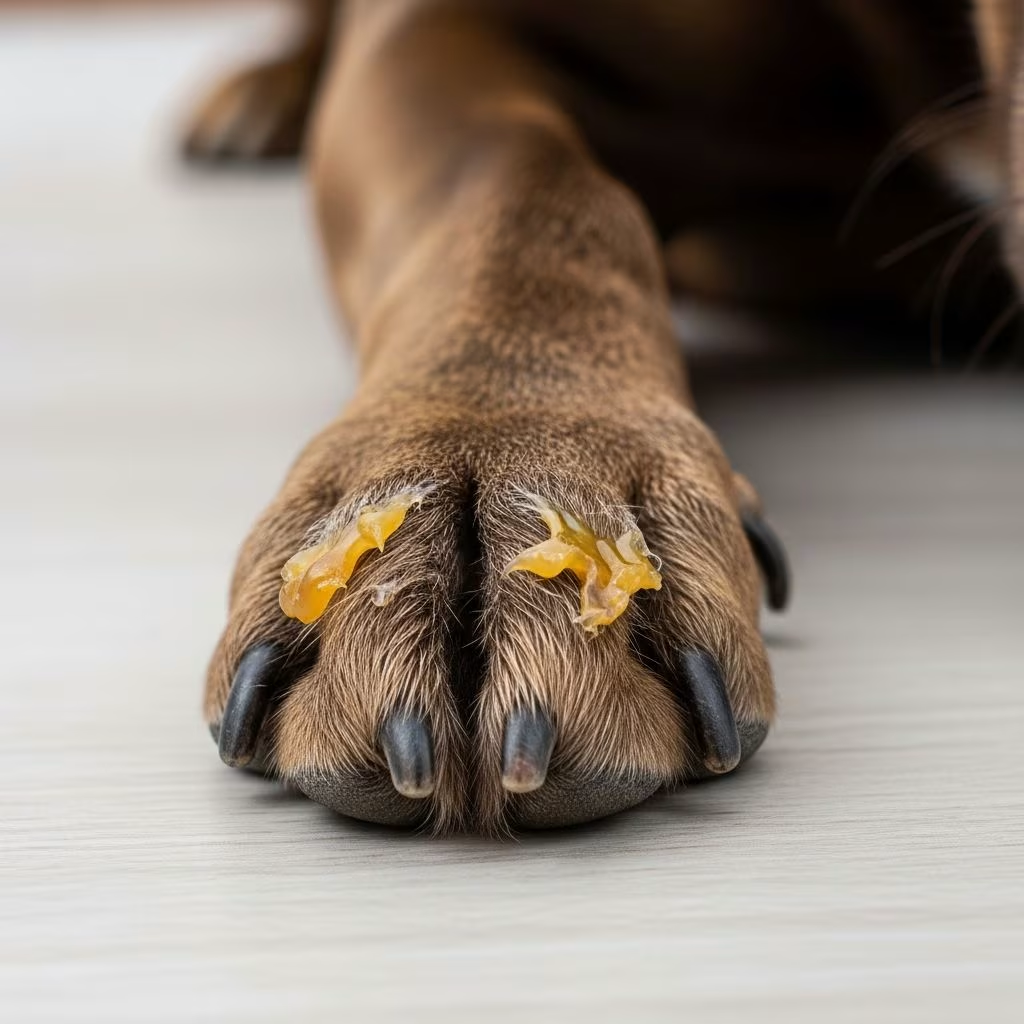
Gorilla Glue, a popular polyurethane-based adhesive containing methylene diphenyl diisocyanate, poses a severe and potentially fatal risk to dogs when ingested. Unlike regular superglues, this expanding glue reacts with stomach moisture to swell up to 3-4 times its size, forming a hard, foam-like mass that can obstruct the gastrointestinal tract or rupture the stomach. Even small amounts as little as half an ounce can create a blockage requiring surgical intervention, with symptoms appearing from 15 minutes to 20 hours post-ingestion.
What Makes Gorilla Glue So Dangerous for Dogs?
The primary danger lies in its chemical composition. When exposed to moisture in the dog’s mouth, esophagus, or stomach, Gorilla Glue undergoes a rapid exothermic reaction, expanding dramatically and hardening into an indigestible foreign body known as a cyano-bezoar. This mass does not adhere to stomach walls but irritates the lining, potentially causing ulcers, and blocks the passage of food and fluids. Case studies show that without prompt treatment, it can lead to peritonitis, sepsis, or death.
Dogs are particularly vulnerable due to their curious nature; they may chew open bottles, lick spills from paper towels, or consume residue on fur during grooming. While the glue is labeled non-toxic, its physical expansion creates mechanical obstructions far more hazardous than chemical poisoning. In a multicenter study of 22 dogs from 2005-2019, 73% required surgery, with vomiting and abdominal pain as top signs.
Symptoms of Gorilla Glue Ingestion in Dogs
Recognizing symptoms early is critical, as the glue’s expansion can occur rapidly. Initial signs often mimic general gastrointestinal upset but progress to severe distress.
- Vomiting: Most common initial symptom, often unproductive retching after the mass forms.
- Abdominal pain and bloating: Dogs may show a distended belly, hunched posture, or cry when touched.
- Lethargy and loss of appetite: Refusal to eat, weakness, and depression.
- Drooling and pawing at mouth: Due to irritation or early esophageal lodging.
- Gagging or retching: Attempts to expel the mass.
Symptoms can onset within 15 minutes for superglue irritation or up to 42 hours median for Gorilla Glue, per veterinary records. Other exposures like skin contact may cause pawing at ears, white skin spots, or unusual chewing.
Why Do Dogs Eat Gorilla Glue?
Dogs ingest Gorilla Glue through household mishaps. Common scenarios include:
- Chewing punctured bottles, spilling contents.
- Licking fresh glue from floors, rags, or work surfaces.
- Grooming fur contaminated during play near glue projects.
Puppies and bored dogs are at higher risk, but any curious pet can access unsecured adhesives in garages, workshops, or kitchens. Prevention hinges on secure storage.
Diagnosis of Gorilla Glue Poisoning
Veterinarians diagnose based on history, exam, and imaging. Key steps include:
- History and physical exam: Noting exposure, vomiting, pain on abdominal palpation.
- Radiographs (X-rays): Reveal granular, mottled soft tissue with gas in the stomach; performed in 82% of cases.
- Ultrasound: Confirms mass if X-rays are inconclusive.
- Bloodwork: Checks for dehydration, electrolyte imbalances from vomiting.
In 73% of surgical cases, history and radiographs alone justified immediate celiotomy. Differential diagnoses include food bezoars or other foreign bodies, but glue’s unique appearance aids identification.
Treatment Options for Affected Dogs
Do not induce vomiting at home, as it risks esophageal lodging or aspiration. Rush to a vet immediately. Treatments vary by severity:
| Severity | Treatment | Success Rate |
|---|---|---|
| Mild (small amount, no obstruction) | Conservative: Fluids, monitoring, anti-nausea meds | Good if mass passes (rare) |
| Moderate-Severe (obstruction signs) | Surgery: Gastrotomy to remove mass (most common) | Very good short-term prognosis |
| Endoscopic removal | Scope extraction (one case successful) | Excellent if feasible |
Surgical removal via gastrotomy is straightforward; the mass often shells out intact post-expansion. Supportive care includes IV fluids, pain relief, and ulcer prevention. One study reported excellent outcomes with timely intervention, except in euthanasia cases due to costs. Prognosis for superglue is good; for Gorilla Glue, guarded without surgery.
Prevention Tips to Protect Your Dog
Proactive steps minimize risks:
- Secure storage: Lock glues in cabinets inaccessible to pets.
- Clean spills immediately: Use gloves; dispose of rags securely.
- Supervise projects: Keep dogs away during DIY work.
- Pet-proof home: Use baby gates for workshops; train “leave it” command.
- Alternatives: Opt for pet-safe adhesives when possible.
Educate family on risks; even “non-toxic” labels belie physical dangers.
When to Seek Emergency Vet Care
Any suspected ingestion warrants immediate ER visit. Call Pet Poison Helpline or vet en route. Red flags:
- Persistent vomiting or unproductive retching.
- Abdominal distension or pain.
- Lethargy, weakness, or refusal to eat.
- Drooling, gagging, or behavioral changes.
Time is critical; delays increase rupture risk.
Frequently Asked Questions (FAQs)
Is Gorilla Glue toxic to dogs?
Not chemically toxic, but its expansion causes life-threatening obstructions.
What should I do if my dog ate Gorilla Glue?
Do not induce vomiting; go to vet immediately for imaging and possible surgery.
Can small amounts of Gorilla Glue pass naturally?
Rarely in large dogs; most require removal.
How quickly does Gorilla Glue expand in a dog?
Within minutes of contact with moisture.
What is the prognosis after treatment?
Very good with prompt surgery; short-term survival high.
Related Risks: Other Household Glues
Not all glues are equal. Superglues cause mild oral irritation. Expanding wood/construction glues mirror Gorilla Glue dangers. Always check labels for polyurethane/diisocyanates.
References
- Super Glue Toxicosis in Dogs – Causes, Treatment and … — Vetster. 2023. https://vetster.com/en/conditions/dog/super-glue-toxicosis
- Look Out for Gorilla Glue | The Dangers of Gorilla Glue for Pets — Animal Emergency & Referral Center of Minnesota. 2022. https://aercmn.com/look-out-for-gorilla-glue/
- Gorilla Glue Ingestion in Dogs: 22 Cases (2005-2019) — PubMed (American Animal Hospital Association). 2021-03-01. https://pubmed.ncbi.nlm.nih.gov/33770163/
- Gorilla Glue Are Toxic To Pets — Pet Poison Helpline. 2024. https://www.petpoisonhelpline.com/poison/gorilla-glue/
- Risk of Expanding Adhesives (Like Gorilla Glue) — Mallard Creek Veterinary Hospital. 2023. https://www.mallardcreekvet.com/dr-waldens-blog/risk-of-expanding-adhesives-like-gorilla-glue
- Gorilla Glue Poisoning in Dogs – Symptoms, Causes, Diagnosis … — WagWalking. 2024. https://wagwalking.com/condition/gorilla-glue-poisoning



