

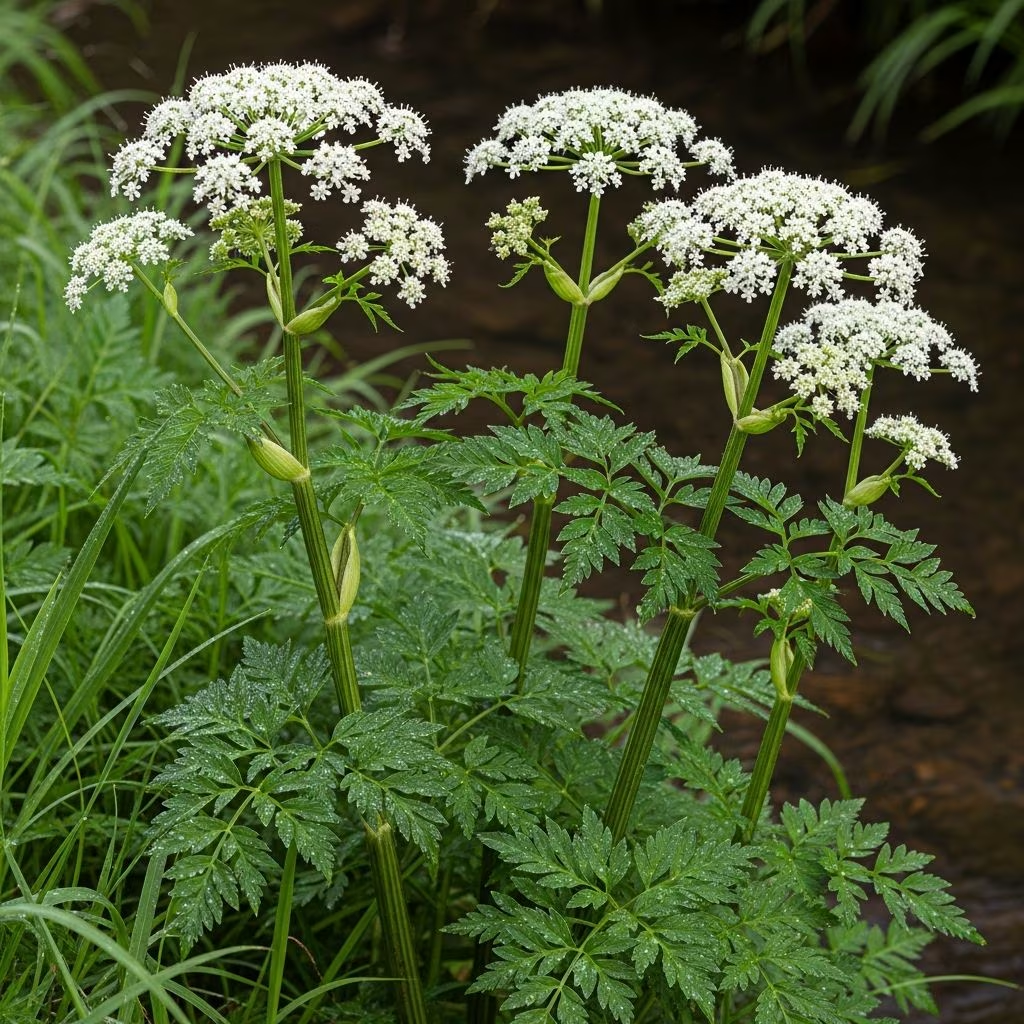
Water hemlock (Cicuta maculata) stands out as one of the most lethal plants in North America, posing a severe threat to dogs due to its potent neurotoxin, cicutoxin. All parts of the plant are poisonous, but the roots contain the highest concentrations, and even small amounts—such as a few bites—can lead to rapid onset of symptoms including vomiting, seizures, coma, and death within hours. If you suspect your dog has ingested water hemlock, contact a veterinarian or animal poison control center immediately, as early intervention is critical for survival.
What is water hemlock toxicity?
Water hemlock toxicity arises from cicutoxin and cicutol, powerful alkaloids that target the central nervous system, disrupting neuronal function and leading to overstimulation followed by paralysis. These toxins are stored in liquid-filled chambers within the plant’s roots, stems, and leaves, giving it a distinctive carrot-like odor that may attract curious dogs. In dogs, ingestion affects the brain, causing initial excitement or nervousness, progressing to muscle spasms, respiratory failure, and cardiac collapse. As little as half an ounce of root material has proven fatal in larger animals like cows, suggesting even trace amounts could be deadly for dogs, though exact lethal doses in canines remain underreported due to rarity.
The plant thrives in wet environments such as marshes, stream banks, ditches, and pond edges across North America, Europe, and parts of the UK, making it a hidden danger during walks or hikes near water. Its similarity to edible wild plants like water parsnip, wild carrot, wild parsnip, celery, and wild celery heightens the risk, as dogs may chew on it mistaking it for safe forage. Never rely on appearance alone to deem a wild plant safe; water hemlock’s chambered roots and purple-spotted stems are key identifiers.
Symptoms of water hemlock poisoning in dogs
Symptoms manifest rapidly, often within minutes to a few hours of ingestion, starting with gastrointestinal distress and escalating to severe neurological effects. Early signs include nervousness, abdominal pain, excessive salivation, frothing at the mouth, vomiting, and diarrhea. As cicutoxin takes hold, dogs exhibit muscle twitching, tremors, pupil dilation, rapid pulse, slow or labored breathing, and restlessness or frenzy.
Progression leads to stiff limbs, head twisting, eye rolling, violent convulsions, grand mal seizures, coma, and ultimately respiratory paralysis or cardiac arrest. Additional signs may include panting, weakness, ataxia (loss of coordination), and bloat. Without prompt treatment, death can occur swiftly, emphasizing the need for immediate veterinary attention upon suspicion.
- Nervousness and frenzy: Initial agitation or abnormal excitement.
- Abdominal pain: Whining, hunching, or guarding the belly.
- Excessive salivation and frothing: Drooling profusely from the mouth.
- Muscle twitching and tremors: Involuntary spasms in limbs and body.
- Pupil dilation and eye abnormalities: Dilated pupils, rolling eyes.
- Rapid pulse and panting: Elevated heart rate with heavy breathing.
- Slow breathing leading to paralysis: Respiratory depression and failure.
- Violent convulsions and seizures: Grand mal seizures, stiffening, paddling.
- Coma and death: Final stages if untreated.
How is water hemlock poisoning diagnosed?
Diagnosis relies primarily on history, clinical signs, and identification of plant material, as no specific lab test exists for cicutoxin. If witnessed, collect samples of the suspected plant—safely package roots, stems, and leaves—and bring them to the vet alongside your dog. Veterinarians examine vomit, stomach contents via gastric lavage, or post-mortem samples for characteristic chambered roots or toxin presence.
Bloodwork, urinalysis, and imaging may rule out differentials like organophosphate poisoning or other neurotoxins, but the rapid progression often leads to confirmatory diagnosis postmortem in fatal cases. Consulting an animal poison control center aids in correlating symptoms with water hemlock exposure.
What are the treatment options for water hemlock poisoning in dogs?
Treatment must begin urgently, focusing on decontamination, stabilization, and supportive care, as there is no specific antidote for cicutoxin. For recent ingestions in alert dogs, induce vomiting with apomorphine or hydrogen peroxide under vet guidance, followed by activated charcoal to bind residual toxins. Gastric lavage (stomach pumping) under anesthesia is standard to fully evacuate plant material, given the toxin’s potency in tiny quantities.
Supportive measures include IV fluids for hydration, anti-nausea medications (e.g., maropitant), analgesics for abdominal pain, and anticonvulsants like diazepam or phenobarbital for seizures. Severely affected dogs may require intubation, mechanical ventilation for respiratory support, and cardiac monitoring. Laxatives can aid toxin elimination from the gut. Due to rarity, vets often consult poison hotlines for tailored protocols. Prognosis varies; early intervention boosts survival, but brain or heart damage may persist even in survivors.
Can water hemlock poisoning be treated at home?
No, water hemlock poisoning cannot be treated at home due to its extreme rapidity and lethality. Home remedies risk delaying critical care, worsening outcomes. Rush to a vet or emergency clinic immediately if exposure is suspected.
Is there an antidote for water hemlock poisoning?
There is no antidote for water hemlock poisoning. Management is symptomatic: remove toxin via decontamination and support vital functions against seizures, breathing issues, and organ strain.
How to identify water hemlock
Identifying water hemlock prevents accidental exposure. It grows 4-8 feet tall in wet areas, with compound umbel flowers (white, umbrella-shaped clusters), finely toothed triangular leaves, and purple-spotted stems. The hallmark is chambered, carrot-like roots exuding a bitter, parsley scent when broken—avoid smelling directly.
| Feature | Water Hemlock | Safe Look-Alikes |
|---|---|---|
| Habitat | Wet soils, streams, ditches | Dry fields or gardens |
| Stem | Purple blotches, smooth | Solid green, hairy |
| Roots | Chambered, multi-rooted, carrot smell | Solid taproot |
| Flowers | White umbels, June-August | Yellow or flat clusters |
Prevention tips for dog owners
Prevent exposure by avoiding walks near wetlands, teaching ‘leave it’ commands, and supervising play in risky areas. Train dogs to ignore wild plants, use leashes in unfamiliar terrain, and landscape yards toxin-free. Familiarize yourself with local flora via apps or guides, and report infestations to authorities for removal.
- Stick to mowed paths and avoid marshy zones.
- Educate family on plant ID and risks.
- Secure yards away from water hemlock hotspots.
- Carry vet hotline numbers during outings.
Frequently Asked Questions (FAQs)
Q: How quickly do water hemlock poisoning symptoms appear in dogs?
A: Symptoms can start within minutes to hours, with neurological signs like seizures progressing rapidly to fatal outcomes if untreated.
Q: Is all water hemlock equally toxic?
A: Yes, all parts are toxic, but roots hold the highest cicutoxin levels, making them most dangerous.
Q: Can dogs recover from water hemlock poisoning?
A: Recovery is possible with immediate vet care, but may involve lasting neurological or cardiac damage.
Q: Where is water hemlock commonly found?
A: In wet habitats like riverbanks, ponds, marshes, and ditches throughout North America, UK, and Europe.
Q: What should I do if my dog eats a suspicious plant?
A: Collect plant sample, note symptoms/time, and seek emergency vet care without delay.
References
- Water Hemlock: Dangerous Plants for Dogs — Kinship. 2023. https://www.kinship.com/dog-health/dangerous-water-hemlock-dogs
- Water Hemlock Poisoning in Dogs — WagWalking. 2024-01-15. https://wagwalking.com/condition/water-hemlock-poisoning
- Water Hemlock Is Toxic To Dogs — Pet Poison Helpline. 2023. https://www.petpoisonhelpline.com/poison/water-hemlock/
- Water Hemlock – Toxic and Non-toxic Plants — ASPCA Poison Control. 2024. https://www.aspca.org/pet-care/aspca-poison-control/toxic-and-non-toxic-plants/water-hemlock
- Water Hemlock – Guide to Poisonous Plants — Colorado State University College of Veterinary Medicine. 2022-06-01. https://poisonousplants.cvmbs.colostate.edu/plant/47



