

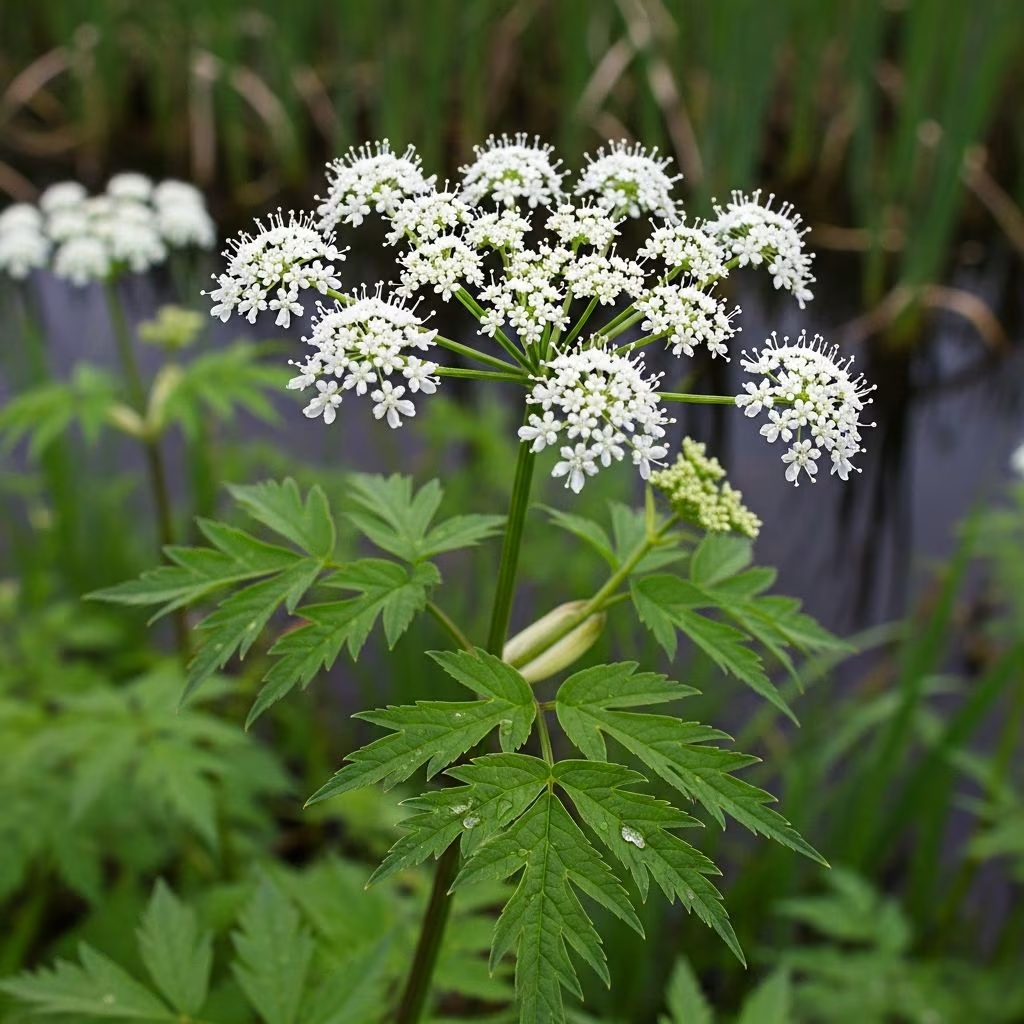
Water hemlock (Cicuta spp.) stands as one of the most lethally toxic plants in North America, posing a severe threat to dogs due to its potent neurotoxins cicutoxin and cicutol. Even small amounts ingested can trigger violent neurological symptoms, convulsions, and death within minutes to hours, primarily affecting the central nervous system and leading to respiratory failure or cardiac arrest. Dog owners must prioritize awareness, as this plant thrives in wet areas frequented during walks, and prompt veterinary intervention is critical for any chance of survival since no specific antidote exists.
What is water hemlock?
Water hemlock is a perennial herb from the Apiaceae family, often mistaken for edible wild plants like parsnips or carrots due to its parsley-like appearance. It grows 4-8 feet tall in shallow water, marshes, ditches, and stream banks across the UK, North America, and Europe, featuring finely divided leaves, small white flower clusters in umbrella-shaped umbels, and chambered roots or stems filled with a milky sap containing the deadly toxins. Unlike poison hemlock (Conium maculatum), which affects muscles via different alkaloids, water hemlock targets the brain directly, making it far more acutely dangerous—ingestion of just a few leaves, roots, or contaminated water can prove fatal to dogs. The plant’s toxicity peaks in roots and lower stems, where toxin concentrations are highest, and it flourishes in damp environments dogs explore during outdoor activities.
How to identify water hemlock
Identifying water hemlock is essential for prevention, as it mimics safe wild plants. Key features include erect stems with purple-spotted lower sections, compound leaves resembling wild carrot but more finely toothed, flat-topped white flower heads from June to September, and bulbous, chambered roots exuding a foul-smelling liquid when broken. It thrives in wet habitats like riverbanks, ponds, and wet meadows, distinguishing it from dry-land lookalikes. To differentiate:
- Stems: Smooth, purple-blotched at base, hollow with cross-partitions unlike solid carrot stems.
- Leaves: Triangular, sharply toothed, hairless, in sheaths at stem base.
- Flowers: White umbels 2-5 inches wide, no bracts.
- Roots: Thick, tuberous, with internal oil-filled chambers releasing toxins.
- Odor: Unpleasant, mouse-like when crushed.
Avoid touching or tasting; use photos from reliable sources for confirmation. Common confusions include wild parsnip (yellow flowers) and cow parsley (hairy stems), but water hemlock’s wetland habitat and chambered roots are diagnostic.
Symptoms of water hemlock poisoning in dogs
Symptoms onset rapidly, often within 15-60 minutes of ingestion, starting with gastrointestinal upset and escalating to severe neurological crisis. Initial signs include excessive salivation, frothing at the mouth, abdominal pain, vomiting, and restlessness or frenzy, progressing to muscle twitching, tremors, dilated pupils, rapid breathing, and violent seizures. Advanced stages involve opisthotonos (head and neck twisting backward), stiff limbs, ataxia, cardiac irregularities, respiratory distress, coma, and death from asphyxiation or heart failure, sometimes within 15 minutes. Not all dogs show every symptom; smaller breeds succumb faster due to lower body weight. A table summarizes common signs:
| Stage | Symptoms |
|---|---|
| Early (0-30 min) | Salivation, vomiting, panting, nervousness, abdominal pain |
| Moderate (30-60 min) | Muscle tremors, twitching, pupil dilation, frothing, frenzy |
| Severe (>60 min) | Seizures, convulsions, respiratory paralysis, coma, death |
Monitor closely post-exposure; even water contaminated by the plant can poison.
Water hemlock poisoning treatment for dogs
No antidote exists for cicutoxin, so treatment focuses on stabilization, decontamination, and symptom control. Rush to a vet immediately—do not induce vomiting at home, as it risks aspiration during seizures. Veterinary protocols include:
- IV fluids for hydration and blood pressure support.
- Activated charcoal to bind toxins (if early).
- Anti-seizure meds like diazepam or phenobarbital.
- Muscle relaxants (methocarbamol) and sedatives.
- Respiratory and cardiac monitoring; intubation if needed.
- Gastrointestinal protectants for vomiting/diarrhea.
Prognosis depends on ingestion amount and treatment speed; recovery may take 4-5 days with intensive care, but mortality is high without prompt action. Hospitalization with 24/7 monitoring is standard.
Recovery from water hemlock poisoning in dogs
Surviving dogs require extended veterinary oversight, with most stabilizing in 4-5 days if treated aggressively. Expect continued seizures or twitching for days, necessitating anticonvulsants, alongside fluids, nutrition via tubes if comatose, and wound care for injuries from thrashing. Home recovery involves quiet rest, bland diets, and follow-ups for organ function tests (liver, kidney, heart). Neurological residuals like restlessness may linger months; full recovery is possible but not guaranteed. Prevent re-exposure and monitor behavior indefinitely.
Prevention: Keeping dogs safe from water hemlock
Prevention is paramount, as treatment success is limited. Strategies include:
- Leash dogs near watercourses, wetlands, ditches.
- Train ‘leave it’ commands; supervise digging/chewing.
- Avoid high-risk areas during flowering (summer).
- Clear gardens/yards of hemlock; use herbicides professionally.
- Educate on plant ID; use apps cautiously.
Annual vigilance during walks saves lives—report infestations to authorities.
FAQs
Is water hemlock poisonous to dogs?
Yes, extremely—it’s North America’s most toxic plant, with roots/stems causing fatal seizures via cicutoxin.
How quickly do symptoms appear?
Within 15-60 minutes, escalating rapidly to death in under 8 hours untreated.
What to do if my dog eats water hemlock?
Call vet or poison hotline immediately; rush to clinic—do not wait or induce vomiting.
Can dogs recover from water hemlock poisoning?
Possible with immediate intensive care, but high mortality; recovery takes days to months.
Where is water hemlock found?
Wetlands, streams, marshes—common in UK countryside and North American waterways.
References
- Water Hemlock Poisoning in Dogs – Symptoms, Causes, Diagnosis — WagWalking. 2023. https://wagwalking.com/condition/water-hemlock-poisoning
- Hemlock Poisoning in Dogs – Symptoms, Causes, Diagnosis — WagWalking. 2023. https://wagwalking.com/condition/hemlock-poisoning
- Protecting Your Dog from America’s Deadliest Plant — Lancaster Puppies. 2023. https://www.lancasterpuppies.com/pet-advice/protecting-your-dog-from-americas-deadliest-plant.html
- Plants Poisonous to Dogs — PetMD. 2024-01-15. https://www.petmd.com/dog/poisons/plants-poisonous-to-dogs
- Water Hemlock Is Toxic To Dogs — Pet Poison Helpline. 2023. https://www.petpoisonhelpline.com/poison/water-hemlock/
- Water hemlock poisoning in Dogs (Canis) — Vetlexicon. 2024. https://www.vetlexicon.com/canis/toxicology/articles/water-hemlock-poisoning/
- Water Hemlock – Toxic and Non-toxic Plants — ASPCA. 2023. https://www.aspca.org/pet-care/aspca-poison-control/toxic-and-non-toxic-plants/water-hemlock



