

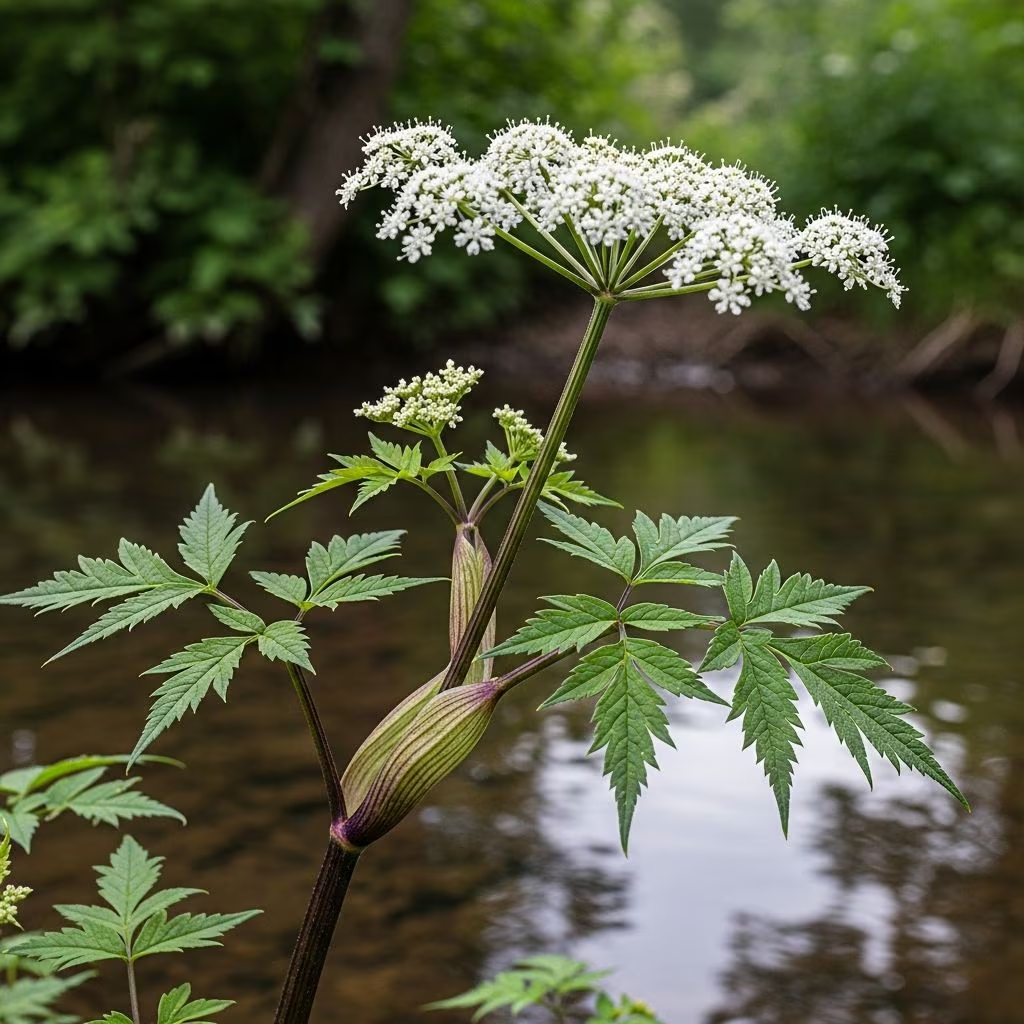
Water hemlock (Cicuta species) stands as one of the most lethally toxic plants in North America, posing a grave danger to dogs that ingest even tiny amounts. Known also as poison parsley, cowbane, or spotted water hemlock, this plant contains potent neurotoxins cicutoxin and cicutol, which target the central nervous system, leading to violent seizures, respiratory failure, and rapid death. Dog owners must recognize its appearance, especially near wetlands, to prevent accidental exposure during walks or play.
What Is Water Hemlock?
Water hemlock thrives in wet environments such as marshes, stream banks, ditches, and shallow water across the United States and Canada. It features umbrella-shaped white flower clusters (umbels) atop hollow stems, with roots containing toxin-filled chambers that release cicutoxin upon chewing. All parts are poisonous, but roots and stems hold the highest concentrations; ingestion of just a few leaves or root pieces can kill a dog. Unlike edible wild plants like Queen Anne’s lace, water hemlock has purple-spotted stems and fern-like leaves, making misidentification common and deadly.
- Grows 2-8 feet tall in moist soils.
- White flowers in late spring to summer.
- Hollow stems with purple blotches.
- Turnip-like roots with yellowish liquid.
The toxin’s mechanism mimics neurotransmitters, causing overstimulation followed by paralysis. Even water contaminated by the plant can poison dogs.
Symptoms of Water Hemlock Poisoning in Dogs
Symptoms erupt rapidly, often within 15-60 minutes of ingestion, progressing from mild excitement to fatal convulsions. Initial signs include nervousness, panting, and excessive salivation, escalating to muscle twitching, frothing at the mouth, and dilated pupils. Severe cases feature grand mal seizures, abdominal pain, stiff limbs, head twisting, coma, and death from asphyxiation or cardiac arrest.
| Early Symptoms | Advanced Symptoms | Critical Signs |
|---|---|---|
| Excessive drooling | Muscle tremors | Violent seizures |
| Panting/restlessness | Eye rolling/dilated pupils | Respiratory paralysis |
| Vomiting | Abdominal pain | Coma/death |
| Frenzied behavior | Frothing at mouth | Cardiac collapse |
Dogs may show ataxia (wobbliness), rapid pulse, fever, and bloody stools. Without intervention, death can occur in as little as 15 minutes.
Diagnosis of Water Hemlock Poisoning
Veterinarians diagnose based on history of exposure, clinical signs, and plant identification. No specific test detects cicutoxin, so ruling out other toxins (e.g., pesticides) via bloodwork, urinalysis, and toxin screens is essential. Characteristic violent seizures and rapid onset strongly suggest water hemlock. Bringing a plant sample aids confirmation.
Treatment for Water Hemlock Poisoning in Dogs
No antidote exists for cicutoxin; treatment is supportive and aggressive to manage symptoms and prevent death. Immediate veterinary care is critical: induce vomiting if early (within 2 hours), administer activated charcoal to bind toxins, and provide IV fluids for hydration and electrolyte balance.
- Control seizures: Diazepam (Valium) or phenobarbital IV.
- Respiratory support: Oxygen therapy, intubation if needed.
- Cardiac monitoring: Anti-arrhythmics for abnormalities.
- Gut decontamination: Laxatives or gastric lavage.
- Monitoring: 24-72 hours in ICU for relapses.
Recovery may take 4-5 days, with survivors potentially showing lingering tremors. Prognosis improves with early treatment but remains guarded for large ingestions.
Recovery from Water Hemlock Poisoning
Surviving dogs require rest, a bland diet, and follow-up exams. Neurological effects like twitching may persist weeks, necessitating anticonvulsants. Most recover fully if seizures are controlled promptly, but survivors of severe cases risk permanent damage. Home care includes quiet confinement and seizure watch.
Prevention of Water Hemlock Poisoning in Dogs
Avoidance is paramount: scout walking areas for water hemlock, especially wetlands. Train dogs with “leave it” commands, supervise near water, and use muzzles on chewers. Landscape yards away from wild plants and remove identified hemlock promptly (wear gloves). Educate on look-alikes like wild parsnip.
- Leash dogs near streams/marshes.
- Learn regional plant hazards.
- Report infestations to authorities.
- Use pet-safe herbicides professionally.
FAQs
How much water hemlock kills a dog?
Even small amounts (a few leaves or root bites) can be fatal due to cicutoxin’s potency; 0.2-2 lbs root per 1000 lbs body weight kills horses, less for dogs.
Can dogs survive water hemlock poisoning?
Yes, with immediate vet care controlling seizures and supporting vitals; delays often lead to death.
Is water hemlock the deadliest plant for dogs?
Yes, considered North America’s most toxic, surpassing poison hemlock or oleander in neurotoxicity.
What if my dog ate water hemlock?
Rush to a vet or call Pet Poison Helpline (855-764-7661); do not induce vomiting without guidance.
Where is water hemlock found?
Wetlands, riverbanks, ditches nationwide; common in Midwest, Northeast, Pacific Northwest.
References
- Water Hemlock Poisoning in Dogs – Symptoms, Causes, Diagnosis — WagWalking. 2023. https://wagwalking.com/condition/water-hemlock-poisoning
- Hemlock Poisoning in Dogs – Symptoms, Causes, Diagnosis — WagWalking. 2023. https://wagwalking.com/condition/hemlock-poisoning
- Protecting Your Dog from America’s Deadliest Plant — Lancaster Puppies. 2023. https://www.lancasterpuppies.com/pet-advice/protecting-your-dog-from-americas-deadliest-plant.html
- Plants Poisonous to Dogs — PetMD. 2024-01-14. https://www.petmd.com/dog/poisons/plants-poisonous-to-dogs
- Water Hemlock Is Toxic To Dogs — Pet Poison Helpline. 2023. https://www.petpoisonhelpline.com/poison/water-hemlock/
- Water Hemlock – Toxic and Non-toxic Plants — ASPCA. 2023. https://www.aspca.org/pet-care/aspca-poison-control/toxic-and-non-toxic-plants/water-hemlock
- Water Hemlock — Colorado State University College of Veterinary Medicine & Biomedical Sciences. 2023. https://poisonousplants.cvmbs.colostate.edu/plant/47



