

Dangerous Thanksgiving Foods for Dogs to Avoid
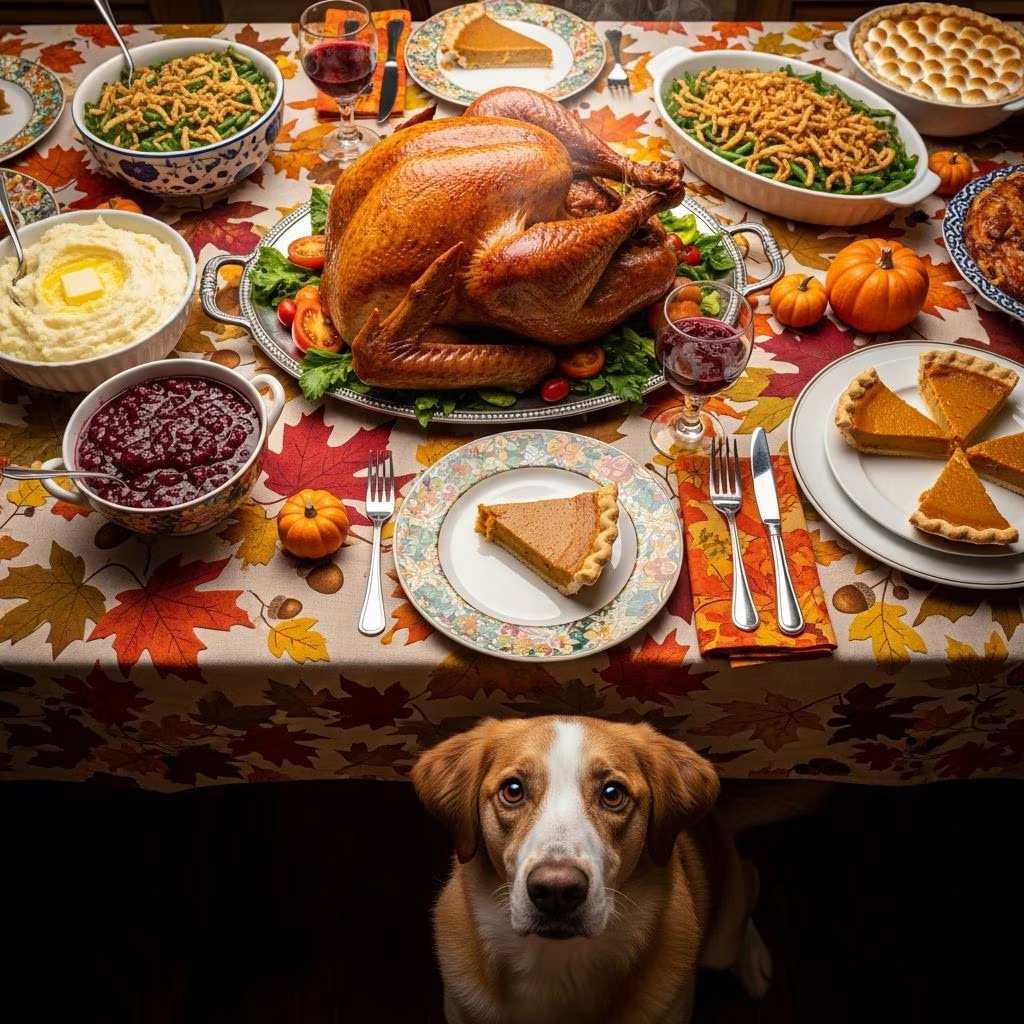
Thanksgiving is a cherished holiday filled with delicious meals, family gatherings, and tradition. However, for pet owners with dogs, the festive season brings significant responsibility. While we celebrate with our loved ones, our canine companions often sit nearby, eyes fixed on the table, hoping for a taste of the holiday feast. Unfortunately, many traditional Thanksgiving foods that we enjoy can be extremely dangerous—even fatal—to our dogs. Understanding which foods pose risks is essential for keeping your furry family member safe during the holidays.
The challenge many pet owners face is that dogs don’t understand the difference between what’s safe for humans and what’s toxic for them. A well-intentioned table scrap or a piece of food that falls on the floor can quickly turn into a veterinary emergency. This comprehensive guide will help you identify dangerous Thanksgiving foods, understand the risks they pose, and learn about safe alternatives that allow your dog to celebrate alongside your family without compromising their health.
Why Thanksgiving Is Risky for Dogs
Thanksgiving presents unique challenges for dog safety. Unlike regular meals, holiday gatherings involve multiple dishes with various ingredients, guests who may not know your pet’s dietary restrictions, and increased opportunities for dogs to access human food. Additionally, the excitement and chaos of holiday gatherings can distract pet owners from closely monitoring their dogs’ activities, making it easier for curious pets to grab dangerous foods.
The festive atmosphere often makes people more relaxed about sharing food with their pets, but even small portions of certain foods can cause serious health issues. Some Thanksgiving favorites are particularly problematic because they contain multiple dangerous ingredients or are prepared in ways that increase their toxicity. Understanding these risks helps you create a safe celebration strategy for your dog.
Dangerous Thanksgiving Foods to Keep Away From Dogs
Turkey Skin and Fatty Meats
Turkey skin is one of the most tempting foods for dogs at Thanksgiving, but it’s also one of the most dangerous. The high fat content in turkey skin can trigger pancreatitis, a serious inflammatory condition of the pancreas. Pancreatitis produces excessive digestive enzymes that rapidly damage a dog’s intestinal tract. If left untreated by a veterinarian, this condition can be life-threatening. Similarly, fatty meats, fried poultry, and any other fatty food items should remain completely off-limits to your dog, as they carry the same pancreatitis risk.
Even small portions of fatty skin or meat can cause problems, particularly in dogs with sensitive digestive systems or those predisposed to pancreatitis. Symptoms of pancreatitis include severe vomiting, extreme abdominal pain, lethargy, and loss of appetite. If your dog consumes fatty turkey skin or meat and shows these signs, seek veterinary care immediately.
Cooked Turkey Bones
While many people assume bones are natural and safe for dogs, cooked turkey bones present a serious hazard. When cooked, bones become brittle and splinter easily. These sharp fragments can cause choking, internal lacerations, or intestinal blockages that may require surgical removal. Soft bones from poultry, fish, and ribs are particularly problematic because they splinter more readily than hard bones.
If you want to give your dog a bone, hard, raw beef bones are generally safer, but they should be fresh and large enough that your dog cannot swallow them whole. However, the safest approach during Thanksgiving is to avoid bones entirely and offer your dog plain, boneless turkey meat instead.
Stuffing and Gravy
Holiday stuffing is a traditional favorite that dogs should never consume. Stuffing typically contains bread, butter, onions, garlic, and various spices—many of which are toxic or harmful to dogs. The onions and garlic in stuffing can cause hemolytic anemia by damaging red blood cells, even in small amounts. Additionally, the high fat content from butter and meat-based gravies increases pancreatitis risk. Gravy made with meat drippings is particularly problematic due to its high fat concentration.
Many dogs experience severe gastrointestinal upset after consuming stuffing, and in worst-case scenarios, the combination of toxic ingredients can cause serious complications or even death. Plain, unseasoned turkey or vegetables are safe alternatives if you want to share Thanksgiving food with your dog.
Chocolate and Desserts with Xylitol
Chocolate is toxic to dogs and should never be offered as a treat, especially during the holiday season. Chocolate contains theobromine, a compound that dogs cannot metabolize effectively. Even dark chocolate and baking chocolate, which contain higher concentrations of theobromine, pose serious toxicity risks. Symptoms of chocolate poisoning include vomiting, diarrhea, increased heart rate, tremors, and seizures.
Beyond chocolate, many Thanksgiving desserts contain xylitol, an artificial sweetener that is extremely toxic to dogs and can cause rapid insulin release, leading to hypoglycemia (dangerously low blood sugar) and liver damage. Pie fillings, cookies, cakes, and other holiday treats frequently contain xylitol, chocolate, raisins, or macadamia nuts—all toxic to canines. Carefully inspect all desserts and sweet treats to ensure they’re kept far away from your curious dog.
Onions and Garlic
Both onions and garlic are members of the allium family and are toxic to dogs in any form—raw, cooked, powdered, or processed. These ingredients damage dogs’ red blood cells, causing hemolytic anemia. Even small amounts can cause problems, and the effects can be cumulative. Many Thanksgiving dishes, including stuffing, gravy, mashed potatoes, and casseroles, contain onions or garlic as seasoning ingredients. Symptoms of onion or garlic toxicity include weakness, lethargy, vomiting, diarrhea, and pale gums.
Grapes and Raisins
Grapes and raisins are among the most dangerous foods for dogs because they can cause acute kidney failure that develops quickly and can lead to death. The exact toxic compound in grapes and raisins remains unknown, but dogs’ reactions are unpredictable—even if your dog has eaten them before without obvious problems, they may still develop a severe reaction in the future. Since Thanksgiving desserts and side dishes often contain raisins, be extremely vigilant about keeping these items away from your dog.
Alcohol and Caffeine
Alcohol and caffeine are never safe for dogs. Wine, beer, liqueurs, and other alcoholic beverages can cause serious intoxication in dogs, leading to vomiting, diarrhea, tremors, seizures, respiratory depression, and even coma. Coffee, tea, and caffeinated beverages pose similar risks. Since many guests may bring wine or leave drinks unattended during holiday gatherings, ensure your dog has no access to these beverages.
Bread Dough
Bread dough containing yeast is dangerous to dogs because yeast continues to rise in the stomach, causing bloating and potentially deadly pressure inside the abdomen. Rising yeast also produces ethanol, leading to alcohol poisoning symptoms. Even small amounts of bread dough—more than one teaspoon—can be deadly, so keep any bread-making projects secured away from your dog.
Macadamia Nuts and Other Nuts
Macadamia nuts are highly toxic to dogs and should never be fed to them. Other nuts also pose concerns due to their high fat content and potential for mold contamination. Additionally, nuts can be choking hazards and may cause intestinal obstruction. Symptoms of nut toxicity include vomiting, diarrhea, fever, restlessness, tremors, and seizures.
Mashed Potatoes and Other Buttery Foods
While plain, cooked potatoes are safe for dogs, holiday mashed potatoes are typically loaded with butter, sour cream, and gravy—all high in fat and cholesterol. These additions create pancreatitis risk. Raw potatoes contain solanine, a toxic compound that can cause potato poisoning. Buttery foods in general aren’t inherently toxic but are high in fat and should be avoided to prevent digestive upset and pancreatitis.
Spices and Seasonings
Nutmeg, a common Thanksgiving spice, contains myristicin, which is toxic to dogs and can cause dry mouth, stomach upset, abdominal pain, and disorientation. Salt in excessive amounts can cause gastrointestinal upset, vomiting, diarrhea, and dehydration. While dogs do need some salt to be healthy, holiday foods typically contain far too much sodium for their small bodies to handle safely.
Signs Your Dog May Have Eaten Dangerous Food
Even with careful precautions, accidents happen. Knowing the warning signs that your dog has consumed something dangerous allows you to seek help quickly. Common symptoms include:
– Vomiting or diarrhea- Lethargy or unusual weakness- Abdominal pain or bloating- Difficulty breathing or choking- Loss of appetite- Tremors or seizures- Pale gums- Excessive drooling
If your dog shows any of these symptoms after being near Thanksgiving food, contact your veterinarian or an emergency veterinary clinic immediately. Time is critical with certain toxins, particularly with grape and raisin ingestion or pancreatitis development.
Safe Thanksgiving Foods and Alternatives for Dogs
The good news is that you can share Thanksgiving with your dog by offering safe alternatives. Plain, unseasoned turkey meat (without skin or bones) is an excellent option. Plain, cooked vegetables like carrots, green beans, sweet potatoes (without butter or seasoning), and pumpkin are all dog-safe options. Some pet owners prepare special dog-friendly Thanksgiving meals using human-grade ingredients designed specifically for canines.
Commercial dog foods featuring holiday themes, such as those made by brands like Merrick, Castor & Pollux, and The Honest Kitchen, offer grain-free options using human-grade ingredients that let your dog participate in holiday meals safely. These products provide nutritional balance while featuring flavors reminiscent of traditional Thanksgiving dishes.
Tips for a Safe Thanksgiving Celebration
Creating a safe Thanksgiving environment for your dog requires planning and communication with family members and guests:
– Use a Separate Feeding Area: During meal preparation and family gatherings, feed your dog in a quiet, separate location with their regular meals and safe treats. This minimizes opportunities for them to access dangerous foods.- Keep Table Scraps Out of Reach: Excited dogs can quickly ingest harmful foods if left unsupervised on tables or low surfaces. Ensure all food remains secured on elevated surfaces.- Monitor Portions of Safe Foods: Even safe foods should be given in moderation to prevent stomach upset and maintain healthy weight. Limit treats to no more than 10 percent of daily caloric intake.- Educate Guests: Inform visitors about your dog’s dietary restrictions and ask them not to offer table scraps or treats without permission.- Stay Prepared: Keep your veterinarian’s phone number and the Pet Poison Helpline number (800-213-6680) easily accessible in case of emergency.- Clean Up Thoroughly: After the meal, promptly clean up all food debris, especially in areas where guests may have been eating.
Emergency Response Protocol
If you suspect your dog has ingested a dangerous Thanksgiving food, act quickly. Contact your veterinarian or an emergency veterinary clinic immediately, providing as much information as possible about what your dog ate, how much, and when. For poison-related concerns, call the Pet Poison Helpline at (800) 213-6680 for immediate guidance.
Don’t wait for symptoms to develop before seeking help—some toxins cause delayed reactions, and early intervention can prevent serious complications. Never attempt to induce vomiting without professional guidance, as this can sometimes cause additional harm depending on what was ingested.
Frequently Asked Questions
Q: Can my dog have plain turkey without skin or bones?
A: Yes, plain, unseasoned turkey meat without skin or bones is safe for dogs and can be a wonderful Thanksgiving treat. Remove all seasoning, skin, and bones before offering it to your dog.
Q: What should I do if my dog eats chocolate?
A: Contact your veterinarian or the Pet Poison Helpline immediately. The severity depends on the type of chocolate, amount consumed, and your dog’s size. Dark chocolate and baking chocolate are more toxic than milk chocolate.
Q: Are sweet potatoes safe for dogs?
A: Plain, cooked sweet potatoes without butter, cinnamon, or sugar are safe for dogs and provide nutritional benefits. Avoid sweet potato casserole, which contains marshmallows and excessive sugar.
Q: How can I tell if my dog has pancreatitis?
A: Symptoms include severe vomiting, extreme abdominal pain, lethargy, loss of appetite, and dehydration. If you suspect pancreatitis, seek veterinary care immediately, as this condition requires aggressive treatment.
Q: Is it safe to give my dog Thanksgiving leftovers?
A: Most Thanksgiving leftovers contain seasoning, fat, or toxic ingredients. It’s safest to avoid feeding leftovers and instead offer plain, unseasoned portions of safe foods like turkey meat or vegetables.
Q: What’s the safest way to include my dog in Thanksgiving?
A: Prepare dog-safe alternatives like plain turkey, plain vegetables, or special dog-friendly Thanksgiving meals. Feed your dog in a separate area during your meal to prevent accidental access to dangerous foods.
Conclusion
Thanksgiving can be a safe and enjoyable holiday for dogs when caregivers provide moderation, safe options, and careful supervision. While the holiday table is filled with tempting foods, most traditional Thanksgiving dishes are dangerous to our canine companions. By understanding which foods pose risks, planning ahead with safe alternatives, and communicating with family and guests, you can ensure your dog remains healthy and happy throughout the celebration.
Remember that sharing a few plain bites of turkey or safe vegetables is fine, but avoid anything with seasoning, bones, or chocolate. Your dog doesn’t need elaborate holiday meals to feel included—their presence and participation in family time is what matters most. With thoughtful planning and preparation, your dog can celebrate Thanksgiving safely alongside your family, making the holiday special for everyone.
References
- Before You Set the Thanksgiving Table, Know What Foods Are Dangerous to Pets — Adopt a Golden Atlanta. Retrieved from https://adoptagoldenatlanta.com/before-you-set-the-thanksgiving-table-know-what-foods-are-dangerous-to-pets/
- Fall Safety Tips for Pets — Chewy. Retrieved from https://www.chewy.com/education/dog/general/fall-safety-tips-pets
- 17 Holiday Foods Not To Feed Dogs — Chewy. Retrieved from https://www.chewy.com/education/dog/food-and-nutrition/holiday-foods-not-to-feed-dogs



