

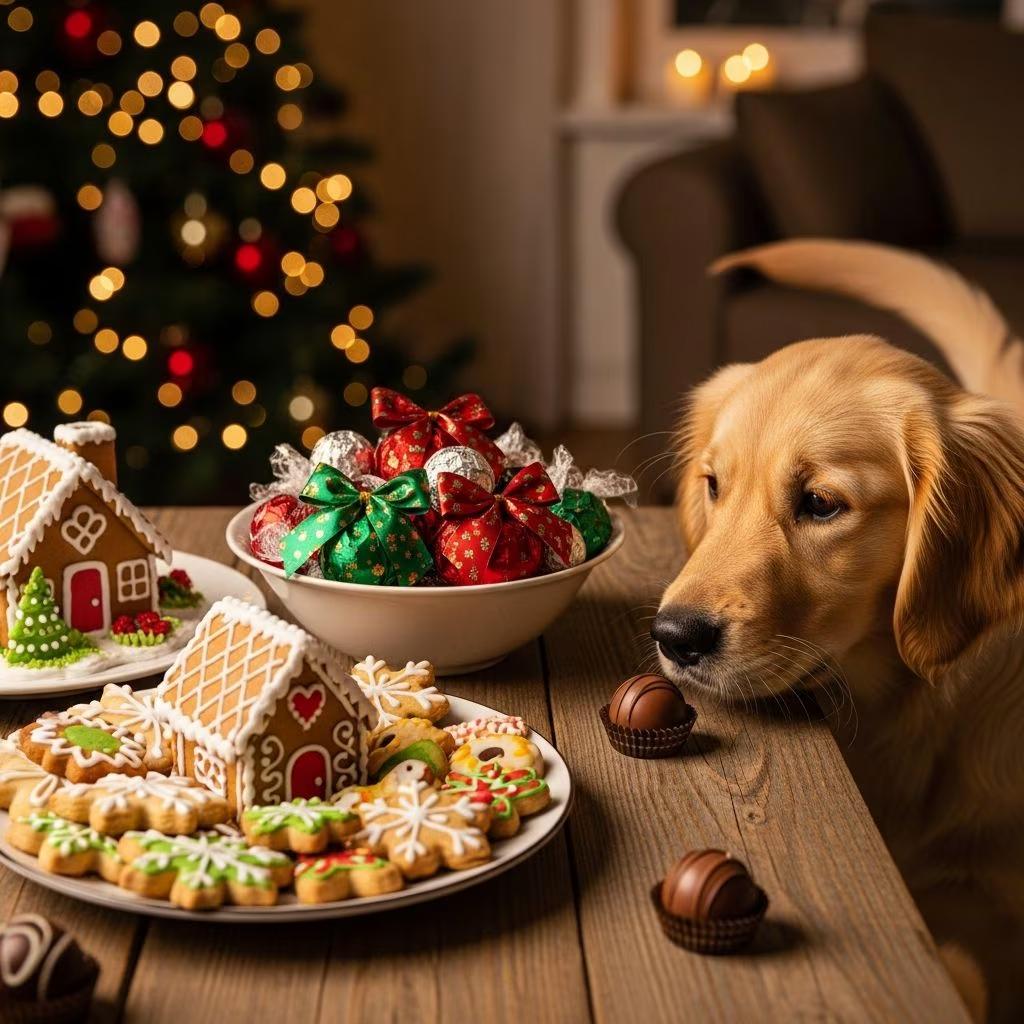
The holiday season brings joy, celebration, and an abundance of delicious treats throughout our homes. While these festive sweets delight human palates, many of them pose serious health threats to our beloved canine companions. Dogs have fundamentally different metabolic systems than humans, making substances that are harmless to us potentially life-threatening to them. Understanding which holiday confections and desserts are dangerous is essential for responsible pet ownership during this festive time of year.
The Metabolic Differences That Make Holiday Sweets Dangerous
Dogs process foods and substances differently than humans do. Their bodies lack certain enzymes and have varying tolerance levels for compounds that we consume regularly without issue. This physiological difference means that ingredients considered safe for human consumption can accumulate to toxic levels in a dog’s system. During the holidays, when sugary treats become more prevalent in household environments, the risk of accidental poisoning increases significantly.
The problem is compounded when pets have access to foods left on counters, tables, or in accessible locations during holiday gatherings. A moment of inattention can result in a pet consuming a dangerous substance before an owner realizes what has happened. Awareness of specific toxic ingredients and their effects is the first line of defense in protecting your dog.
Chocolate: The Primary Holiday Threat
Chocolate consistently ranks as one of the most hazardous substances for dogs during the holiday season. This beloved treat contains theobromine and caffeine, compounds that dogs cannot metabolize efficiently. Even small quantities can trigger adverse reactions in canines.
The severity of chocolate toxicity depends on several factors:
- The type of chocolate consumed (darker varieties contain higher concentrations of harmful compounds)
- The quantity ingested relative to the dog’s body weight
- The dog’s individual sensitivity and overall health status
Symptoms of chocolate poisoning in dogs include vomiting, diarrhea, restlessness, muscle tremors, and in severe cases, seizures. In extreme situations, chocolate consumption can even lead to heart arrhythmias and prove fatal. Holiday desserts particularly at risk include brownies, chocolate truffles, chocolate-covered candies, and specialty bark confections that may be left unattended on holiday tables or dessert spreads.
Pet owners should treat any suspected chocolate ingestion as a potential emergency. Keeping the wrapper or packaging information helps veterinary professionals determine the type and amount of chocolate consumed, which is critical information for treatment decisions.
Xylitol: The Sweetener That Causes Rapid Organ Failure
In recent years, xylitol has become an increasingly common ingredient in sugar-free and diet-conscious holiday treats. This artificial sweetener, while marketed as a healthy alternative for humans, is extremely toxic to dogs and represents one of the most dangerous compounds found in modern holiday confections.
Xylitol causes a rapid and severe reaction in canines. When ingested, it triggers a sudden release of insulin, leading to acute hypoglycemia (dangerously low blood sugar levels). Additionally, xylitol causes direct damage to the liver, potentially resulting in complete liver failure. The concerning aspect of xylitol toxicity is that the effects can develop rapidly and severely, often within hours of ingestion.
Holiday items containing xylitol include sugar-free gum, sugar-free candy, sugar-free baked goods, and certain diet desserts. Even a small amount can be dangerous, making it imperative to check ingredient lists on all sugar-free products brought into homes during the holidays. Products sweetened with xylitol should be stored in locations completely inaccessible to pets.
Alcohol-Containing Desserts and Beverages
Holiday punch, spiked eggnog, and desserts prepared with alcohol present additional dangers that pet owners often overlook. Dogs are significantly more sensitive to alcohol than humans are, and even small amounts can cause intoxication and poisoning.
The concern extends beyond obvious alcoholic beverages. Baked goods prepared with alcohol, including holiday cakes, cookies, and breads, still contain ethanol after baking. The alcohol content may be reduced but not eliminated through the cooking process, particularly in items that are baked at lower temperatures or for shorter durations.
Symptoms of alcohol poisoning in dogs include disorientation, loss of coordination, weakness, tremors, and potentially seizures. In severe cases, respiratory depression can occur. Open cocktails and punch bowls should be kept well away from pets, and baked goods prepared with alcoholic ingredients should be considered off-limits for canine consumption.
Unbaked Bread Dough: A Surprisingly Dangerous Holiday Item
Holiday baking traditions often include preparing fresh bread, rolls, and other yeast-containing items. Unbaked dough poses a unique and severe threat to dogs that many pet owners fail to recognize. When consumed, the yeast in raw dough continues to rise and expand inside a dog’s stomach, creating potentially dangerous internal pressure and bloating.
The expansion of yeast dough in the stomach produces ethanol as a byproduct of fermentation. This creates a dual threat: internal trauma from expansion and alcohol poisoning from ethanol production. Additionally, certain bread ingredients, such as raisins in some sweet doughs, add another layer of toxicity.
Even small quantities of raw dough can become problematic. Pet owners should keep all unbaked dough secured and away from pets during holiday baking sessions, and immediately contact a veterinarian if a dog consumes any amount of raw bread dough.
Nuts and Nut-Based Holiday Confections
Macadamia nuts are particularly dangerous for dogs and should never be included in treats given to pets. These nuts can cause muscle tremors, weakness, vomiting, and neurological symptoms. Beyond macadamia nuts, many other nuts commonly used in holiday treats pose risks due to their high fat content and potential mold contamination.
Holiday treats featuring nuts include chocolate-nut clusters, nut-studded cookies, pralines, and trail mixes. Nuts can also present a choking hazard, particularly for dogs that eat quickly without proper chewing. Walnut shells, in particular, can cause damage to the gastrointestinal tract if ingested.
Raisins, Grapes, and Fruit-Based Desserts
Grapes and raisins are among the most toxic foods for dogs, capable of causing acute kidney failure even in small quantities. The precise toxic component has been identified as tartaric acid, which dogs cannot process effectively. The challenge with raisins is that the toxic threshold varies between individual dogs, and there is currently no reliable way to predict which pets will experience severe reactions.
Holiday desserts commonly containing raisins include fruitcakes, oatmeal raisin cookies, trail mixes, dried fruit clusters, and holiday snack boards. These items should be kept completely away from pets, and any suspected ingestion warrants immediate veterinary attention without waiting for symptoms to develop.
Dairy-Rich Desserts and Eggnog
While plain milk causes digestive upset in lactose-intolerant dogs, holiday dairy creations present additional concerns. Eggnog, a traditional holiday beverage, contains raw eggs that can harbor harmful bacteria, including salmonella and E. coli. Additionally, eggnog typically includes nutmeg, which contains myristicin—a compound toxic to dogs that causes dry mouth, stomach upset, abdominal pain, and disorientation.
Creamy desserts, cheesecake, ice cream-based confections, and mousse-type treats are problematic for dogs due to their high fat content and dairy ingredients. These can trigger digestive upset and potentially pancreatitis, a serious inflammation of the pancreas.
High-Fat and Fatty Meat-Based Treats
While not technically sweets, many holiday treats incorporate high-fat ingredients and fatty meats that deserve mention. Pan drippings, gravy, and fatty skin from holiday meats can trigger pancreatitis, a potentially life-threatening condition. Symptoms include severe vomiting, intense abdominal pain, and can require hospitalization.
Buttered and rich desserts, while not strictly toxic, contain high levels of fat and cholesterol that can lead to digestive upset and more serious health complications. The combination of sugar and fat in many holiday confections makes them particularly problematic for canine health.
Seasonings and Flavor Additives in Festive Treats
Beyond the primary ingredients, seasonings commonly used in holiday sweets can pose risks. Nutmeg appears in various holiday treats and contains myristicin, which is toxic to dogs. Excessive salt and certain spice combinations can upset a dog’s gastrointestinal system and potentially cause sodium toxicity.
Garlic and onion powder, used in some savory-sweet holiday treats, fall into the Allium family of vegetables, which can damage red blood cells and cause anemia in dogs. Even powdered or cooked forms of these ingredients remain harmful.
Safe Alternatives for Including Your Dog in Holiday Celebrations
Pet owners need not exclude their canine companions entirely from holiday festivities. Several safe alternatives allow dogs to participate while remaining protected from toxic substances:
- Plain, unseasoned lean meats offer a protein-rich treat
- Plain cooked vegetables like carrots and green beans provide nutritious snacking
- Dog-specific treats purchased from reputable manufacturers
- Homemade dog treats prepared without toxic ingredients
- Frozen plain broth cubes for a special treat
What to Do If Your Dog Consumes a Toxic Treat
Despite best efforts, accidental ingestion sometimes occurs. Immediate action is critical in many cases. Contact your veterinarian or an emergency veterinary clinic right away, providing information about what was consumed, the approximate quantity, the dog’s weight, and when ingestion occurred.
Certain substances, including xylitol, chocolate, grapes/raisins, and unbaked dough, warrant emergency veterinary care without delay. Do not wait to see if symptoms develop; some toxic substances cause damage that can be prevented or minimized with prompt treatment. Keep the packaging or wrapper of the consumed item available for your veterinarian, as this information helps determine the appropriate treatment approach.
Creating a Pet-Safe Holiday Environment
Protecting your dog during the holidays involves environmental management and awareness:
- Store all holiday sweets and treats in pet-proof containers or locations
- Educate family members and guests about pet-toxic foods
- Keep dessert tables elevated or behind barriers during gatherings
- Supervise your dog during celebrations and while guests are present
- Use baby gates or closed doors to restrict access to rooms containing holiday treats
- Remind guests not to feed your dog human food without permission
The holiday season should bring joy to your entire household, including your canine family member. By understanding which sweets and treats pose dangers, maintaining vigilance in a busy holiday environment, and having emergency veterinary contact information readily available, you can ensure your dog stays safe while enjoying the festive season alongside you.
References
- Top 5 Holiday Foods That Can Send Pets to the ER — Animal Emergency of Deland. https://animalemergencydeland.com/news/top-5-holiday-foods-that-can-send-pets-to-the-er/
- The Most Popular Holiday Foods…That Your Pet Should Avoid — Tufts University Pet Foodology. 2023-12-08. https://sites.tufts.edu/petfoodology/2023/12/08/the-most-popular-holiday-foodsthat-your-pet-should-avoid/
- Can Your Dog Eat Christmas Dinner? The Holiday Foods Pets Can and Cannot Eat — Spot and Tango. https://www.spotandtango.com/blog/dog-holiday-food-guide
- 17 Holiday Foods Not To Feed Dogs — Chewy. https://www.chewy.com/education/dog/food-and-nutrition/holiday-foods-not-to-feed-dogs
- People Foods to Avoid Feeding Your Pets — ASPCA Animal Poison Control Center. https://www.aspca.org/pet-care/aspca-poison-control/people-foods-avoid-feeding-your-pets
- Holiday Foods Toxic to Pets: Keep Dogs and Cats Safe This Season — Morris Animal Foundation. https://www.morrisanimalfoundation.org/article/holiday-foods-toxic-to-pets
- Top Holiday Foods That Are Dangerous for Pets — Owings Mills Veterinary Hospital. https://owingsmillsvet.com/blogs/top-holiday-foods-that-are-dangerous-for-pets



